Week 1: Forming the Team and Brainstorming Ideas
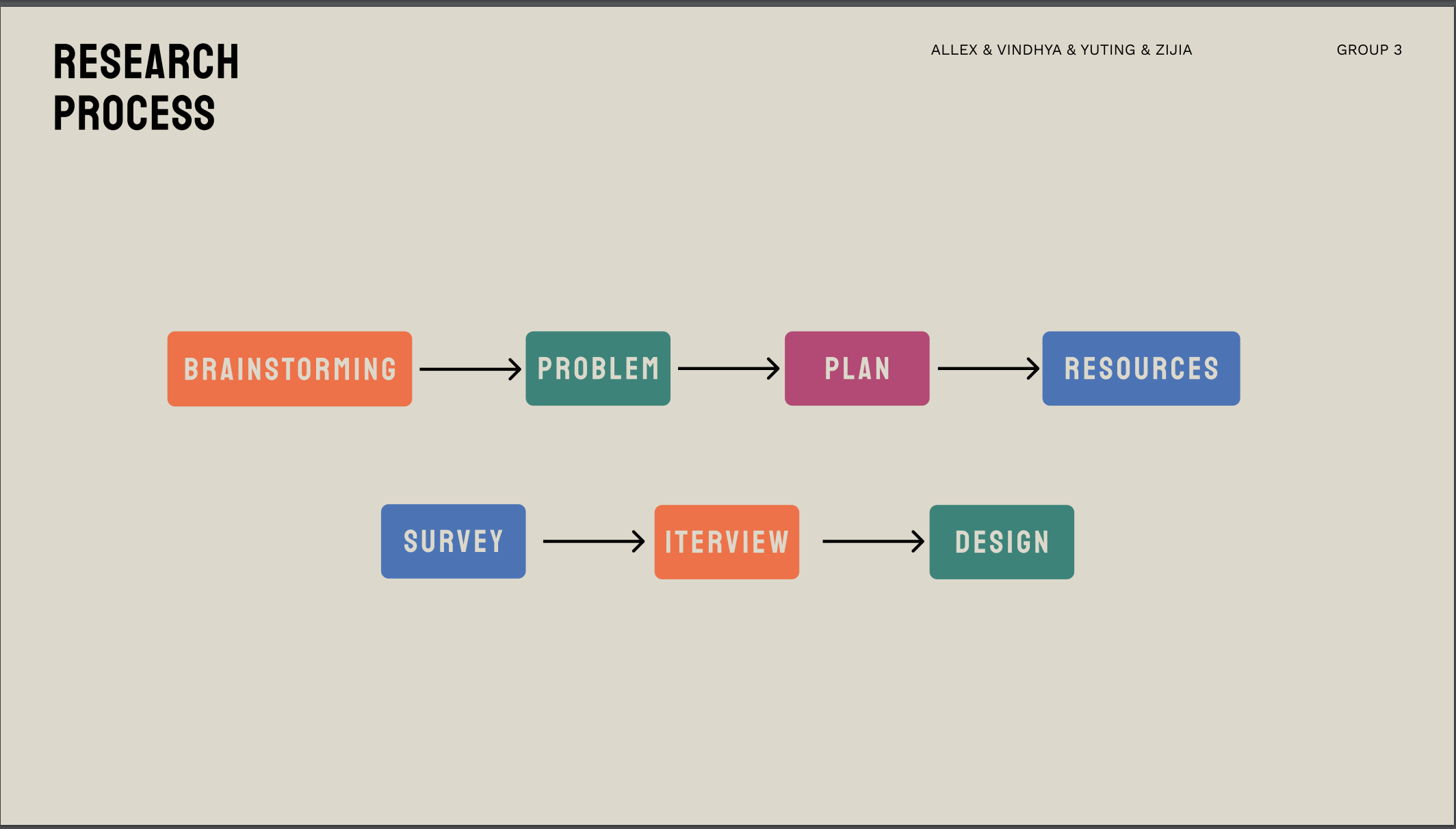
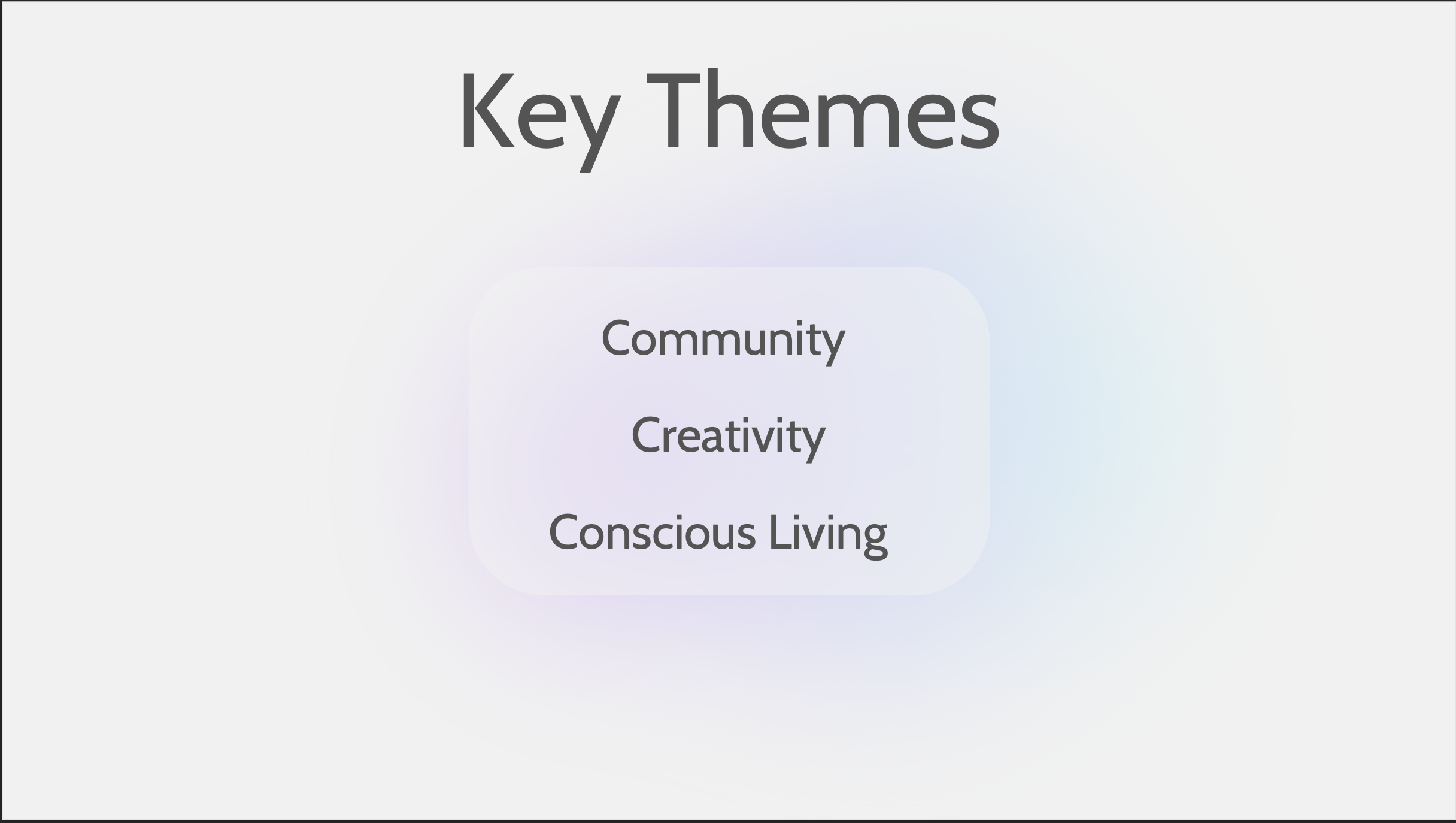
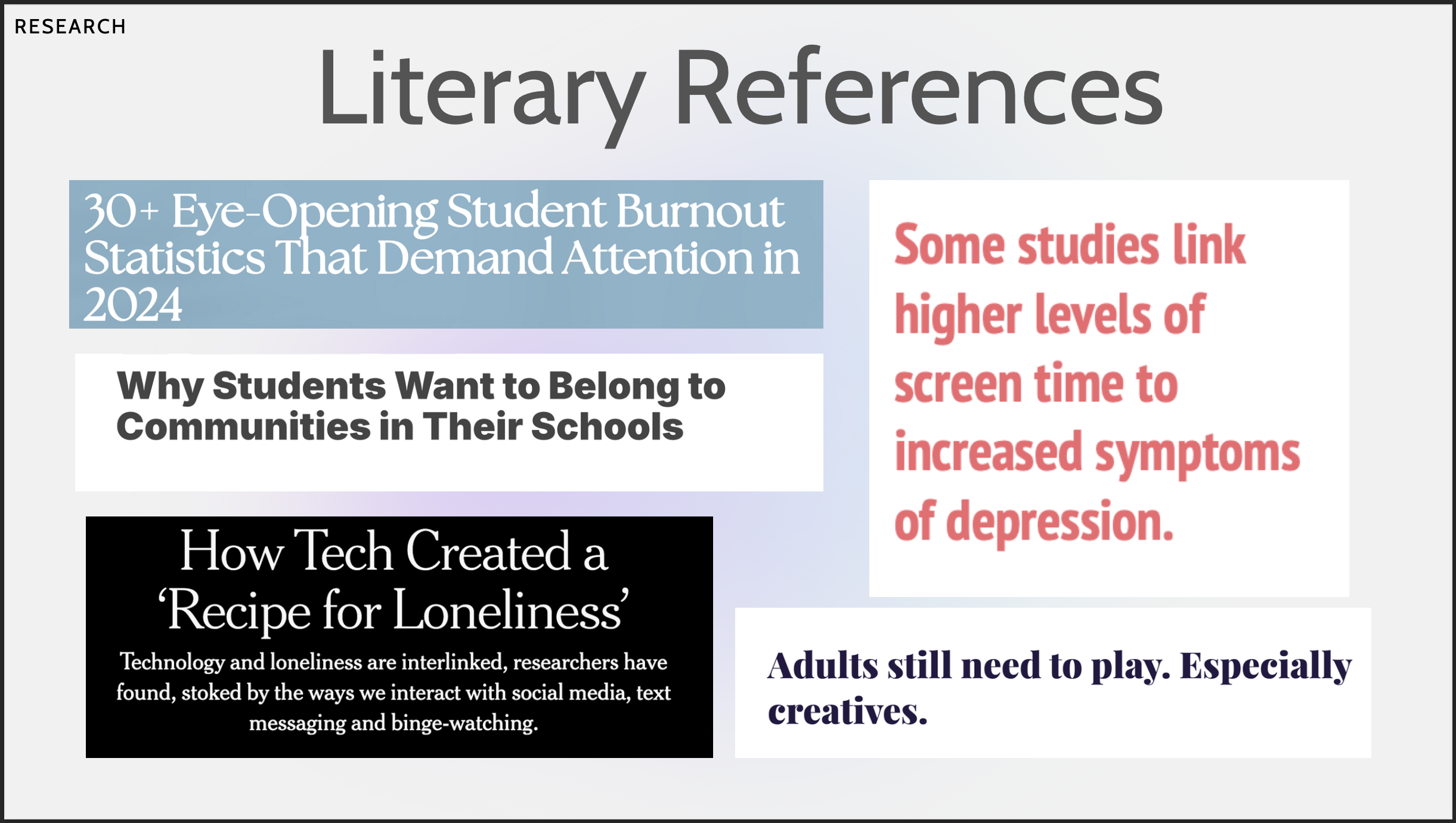
When we were initially tasked with addressing various problems within NYU or other communities through ideating and prototyping a solution, three of my peers and I formed a design team. We had decided to create our topic to address and had thought of a few separate ideas that would pertain to the NYU community. We made a Google document and individually contributed ideas we could tackle. My initial idea was a clothing drive or upcycling program, but our team then combined two prompts we had created. One idea was to create a mental health and wellness platform or application for NYU students, and the other idea was to integrate the option of creative play and recreational creativity into the NYU community to address the alienation, stress, or burnout NYU students may be experiencing. So, the issues we were going to address and focus on were a lack of community or alienation, stress/burnout, and excessive screentime. While we had decided on the problems we planned on addressing, we still needed to formulate a plan and develop concrete solutions. We began by collecting various sources on each of the three topics we had chosen, delving mostly into psychology reports, mental health articles, and chapters or sections of psychology books that touched on the issues we had chosen. I referred back to a technology and psychology course I had taken as an undergraduate student by looking through my old syllabus and finding the readings that addressed burnout/stress and a chapter on creative play within early development and even adulthood. I think in this reflection, and it’s essential to include this short passage as I found it was pretty relevant to this project: “Play is thought by many to be fundamental to growth and development throughout the lifespan. During childhood, play is how we learn about and explore the world. It is critical for developing and practicing social skills, fostering human connection, and plays (pun intended!) an important role in shaping personal and cultural identity (Bowman, 2010). However, play is also often viewed as only appropriate for children and frivolous or childish for adults. As we grow older, play becomes devalued and the avenues through which we can play become limited with work, productivity, and being “serious” taking its place (Deterding, 2018). This is because play is often thought of as the opposite of work, which is what adults “should” be focusing all their time and energy on. However, the opposite of work is not play, it’s depression (Sutton-Smith, 1997), and as such, denying play and playful expression in adulthood can have significant negative consequences to health and well-being.”(Kowert,117). Part of addressing this issue, in particular, is de-stigmatizing creative play within adulthood, especially in work or collegiate environments, not to mention its positive effects on mental health and stress levels. With these new resources, we were off to a good start.
Week 2: Developing the Plan
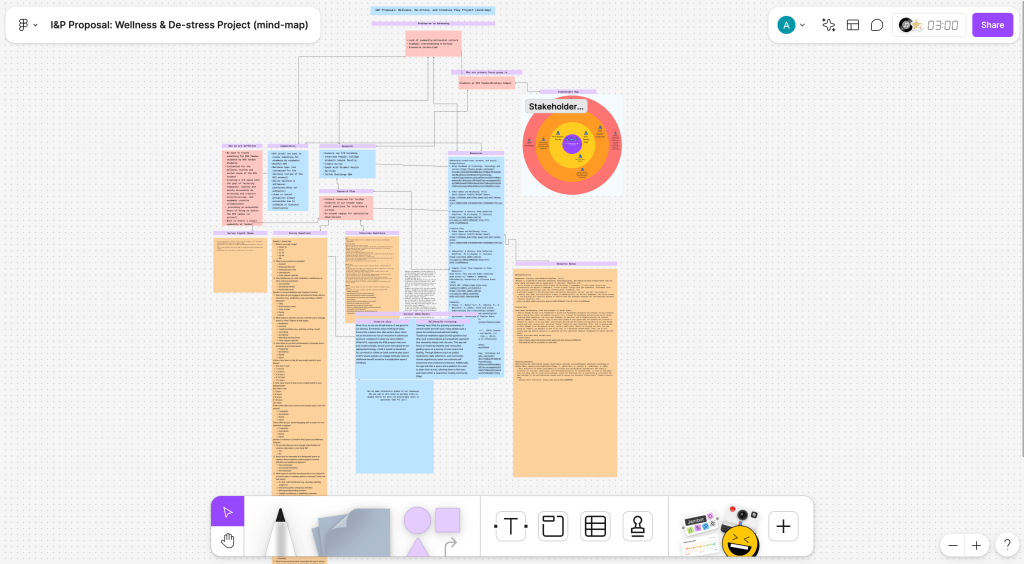
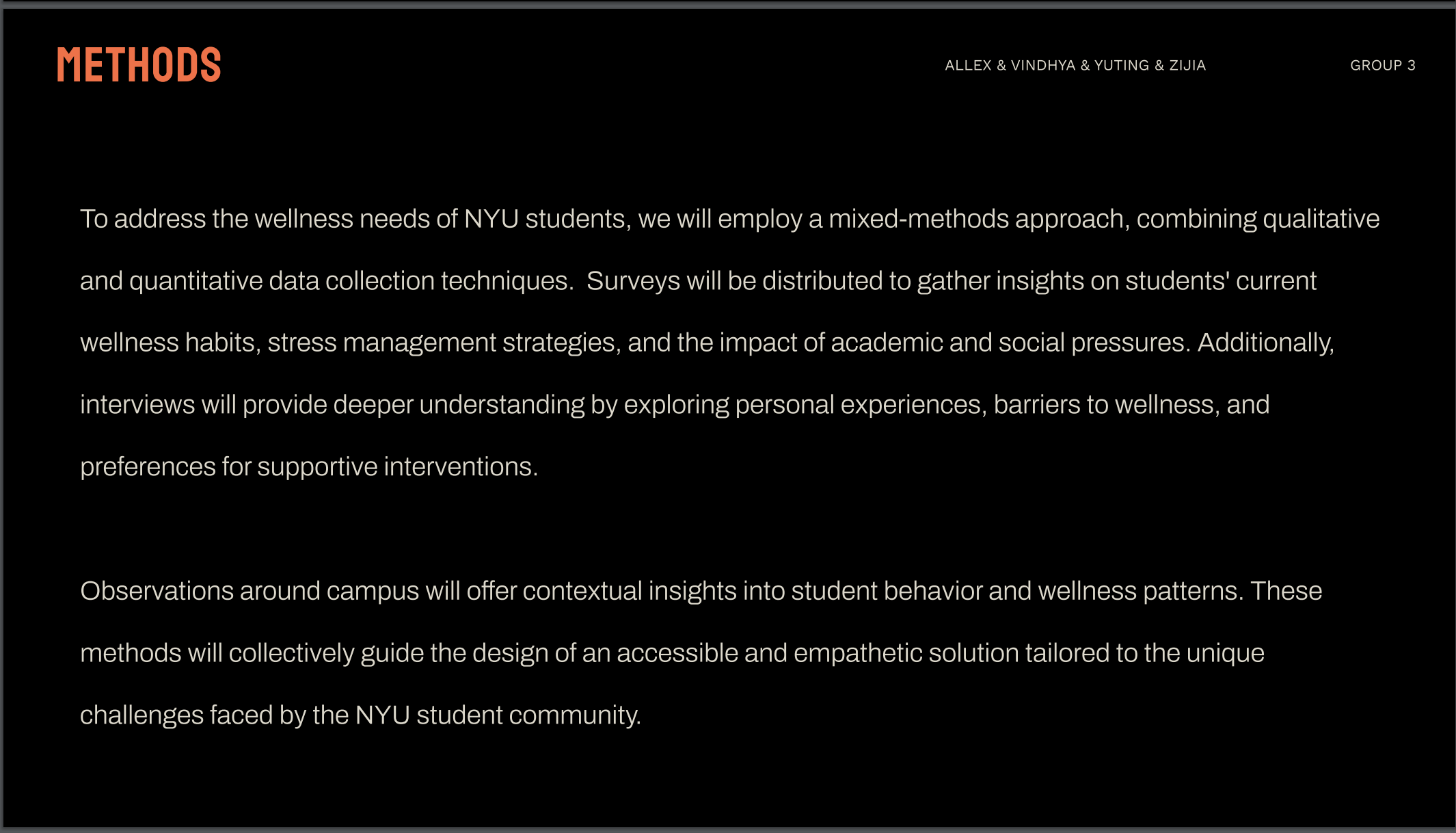
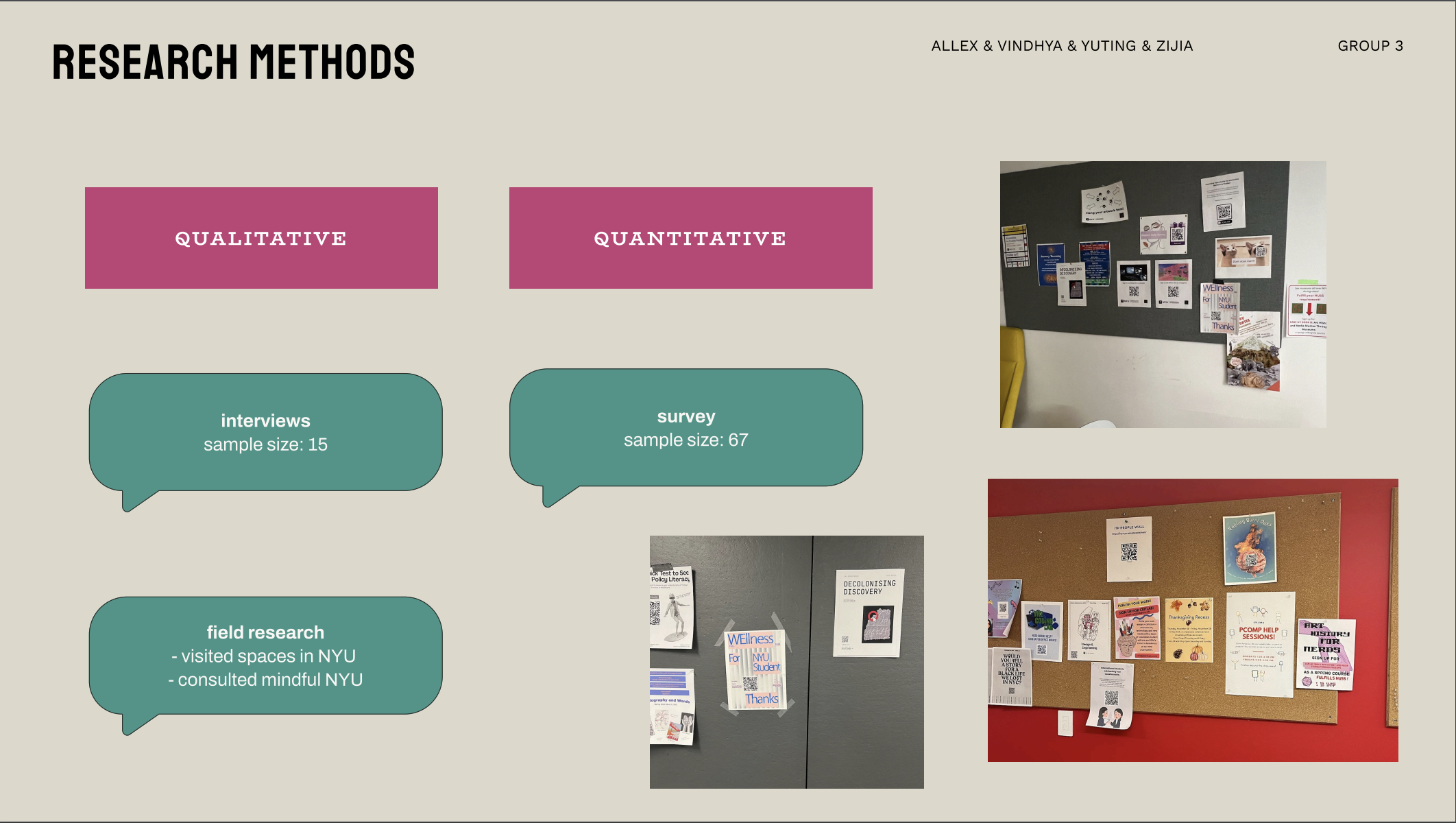
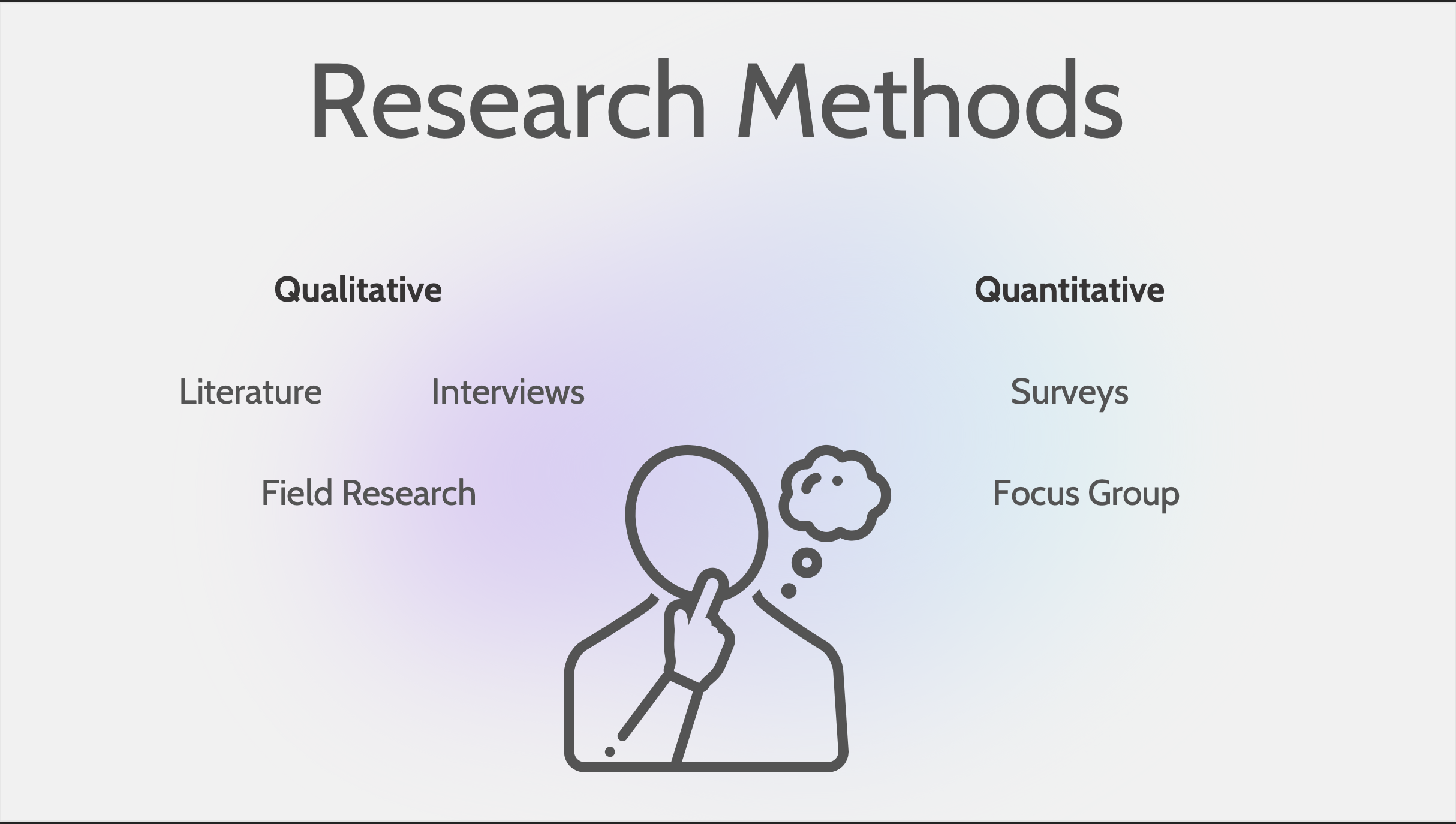
The following week, we began to create a brainstorming map. We placed the issues we were addressing at the top. Further, we explored our plan by laying out who the primary focus group would be. Focusing on NYU Tandon students would be an excellent place to start because of their workload, schedules, and courses. Most, if not all, NYU Tandon students regularly engage with a screen-based device for both academic and recreational purposes, which could be detrimental to their mental health and overall well-being. We also noticed that due to the workload or schedules, there was a need to address the need for more social interaction amongst Tandon students outside of class or school-related situations. While NYU Tandon offers a variety of fun activities, we noticed that many students were too busy with course-related assignments and outside jobs or were too burnt out or stressed to participate. We also noticed that many emails regarding these activities would be buried under an overwhelming amount of emails and forgotten. We then added our resources, and the notes we had taken added our resources and ideas to create solutions to these topics. After developing a stakeholder map that illustrated the network of influence our project would have, we decided to create a series of interview questions which we planned on asking NYU Tandon students to collect qualitative data by looking out for common themes or keywords in answers as well as a survey to collect quantitative data that we would later showcase through the use of data visualization. We narrowed down the questions we would ask our interviewees and created a schedule so that we each could interview students between courses. We decided to create a program or series of events hosting wellness and creative play activities.
Week 3: Field Research
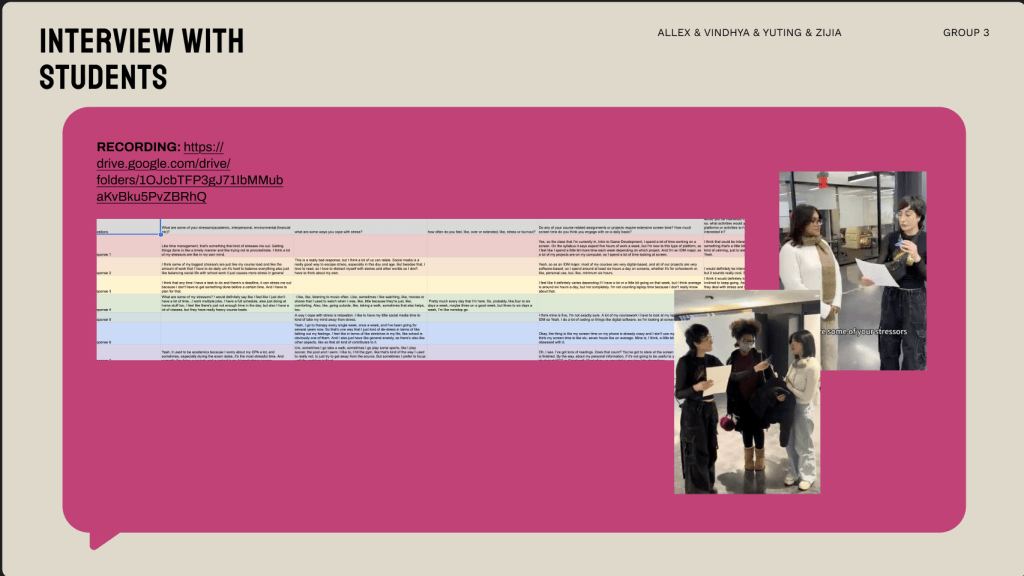
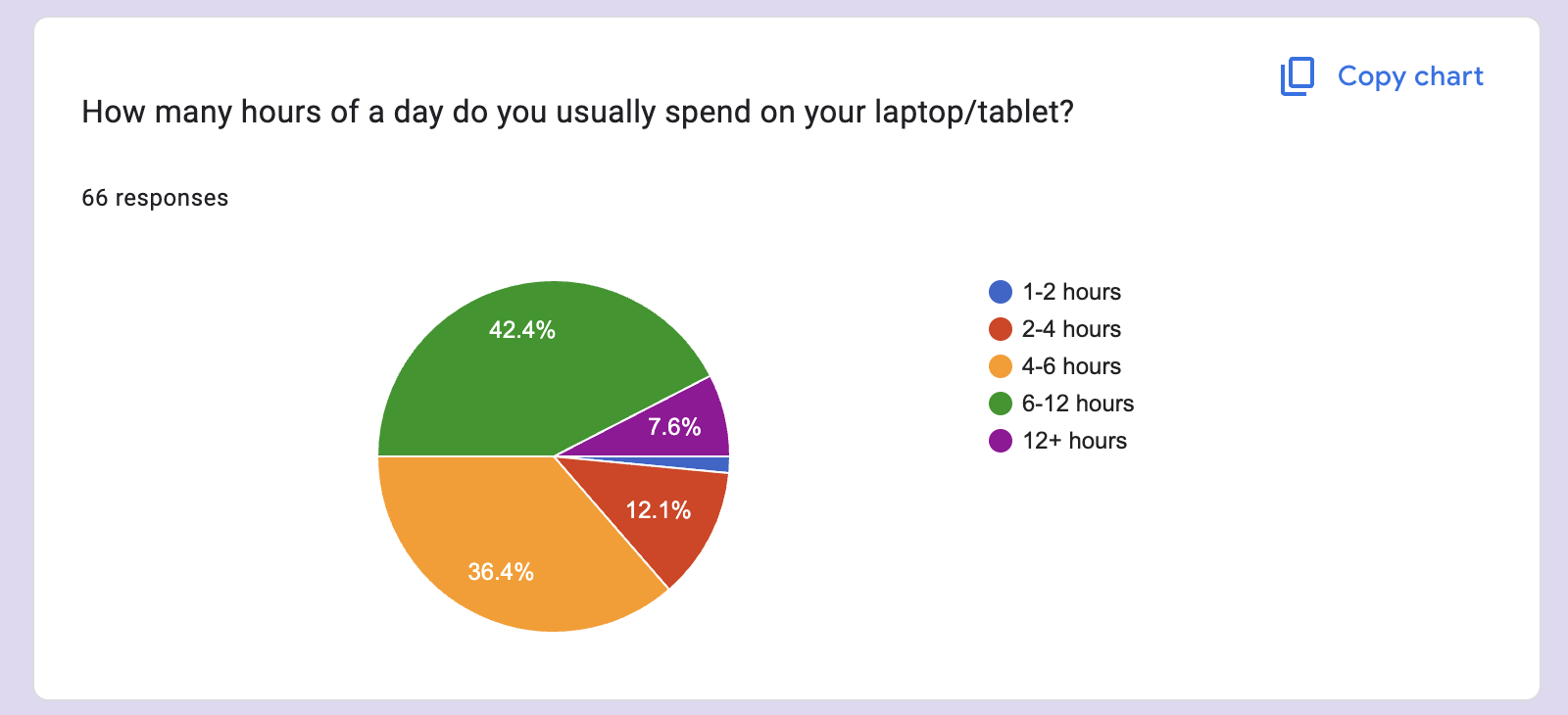
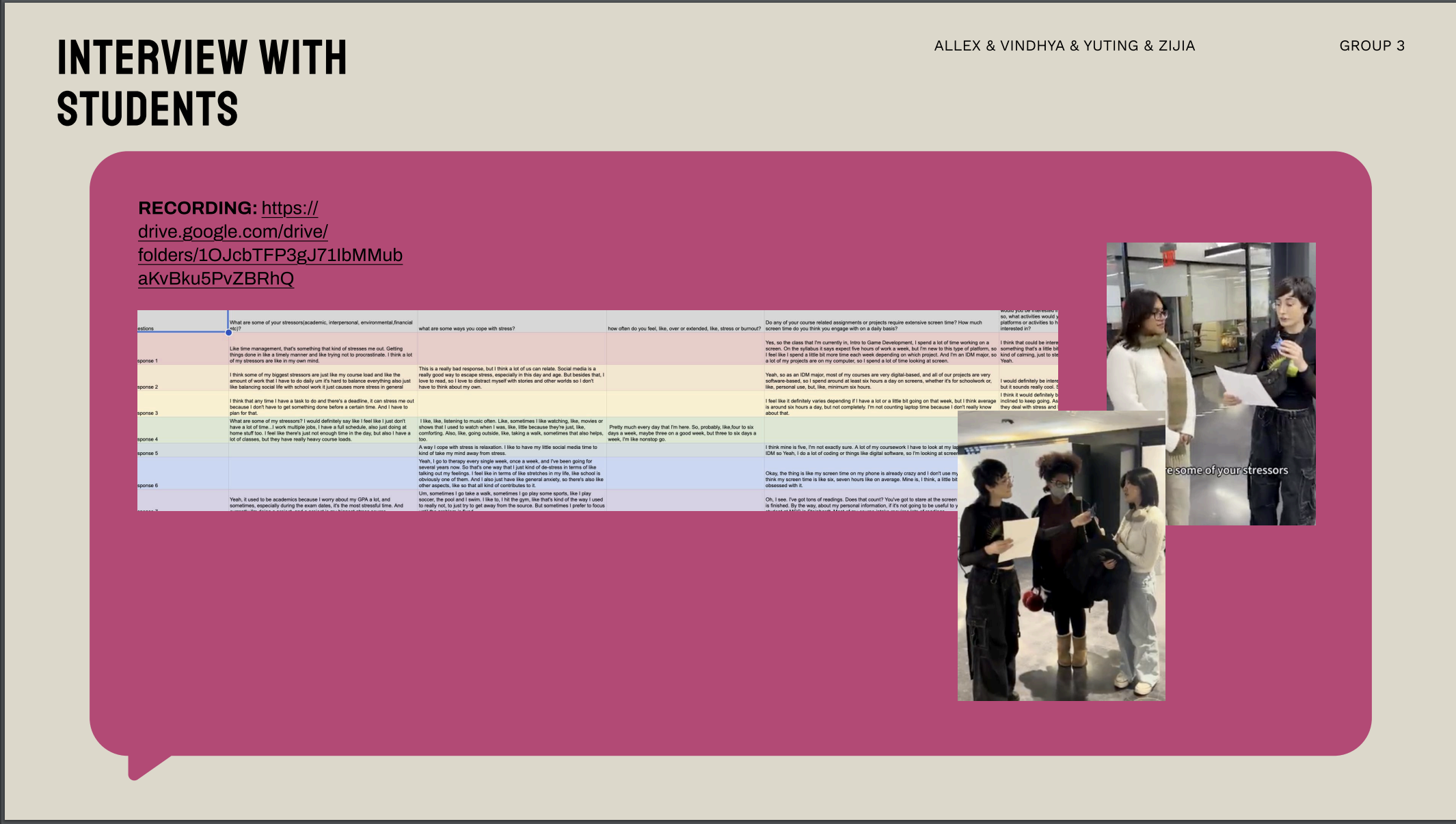
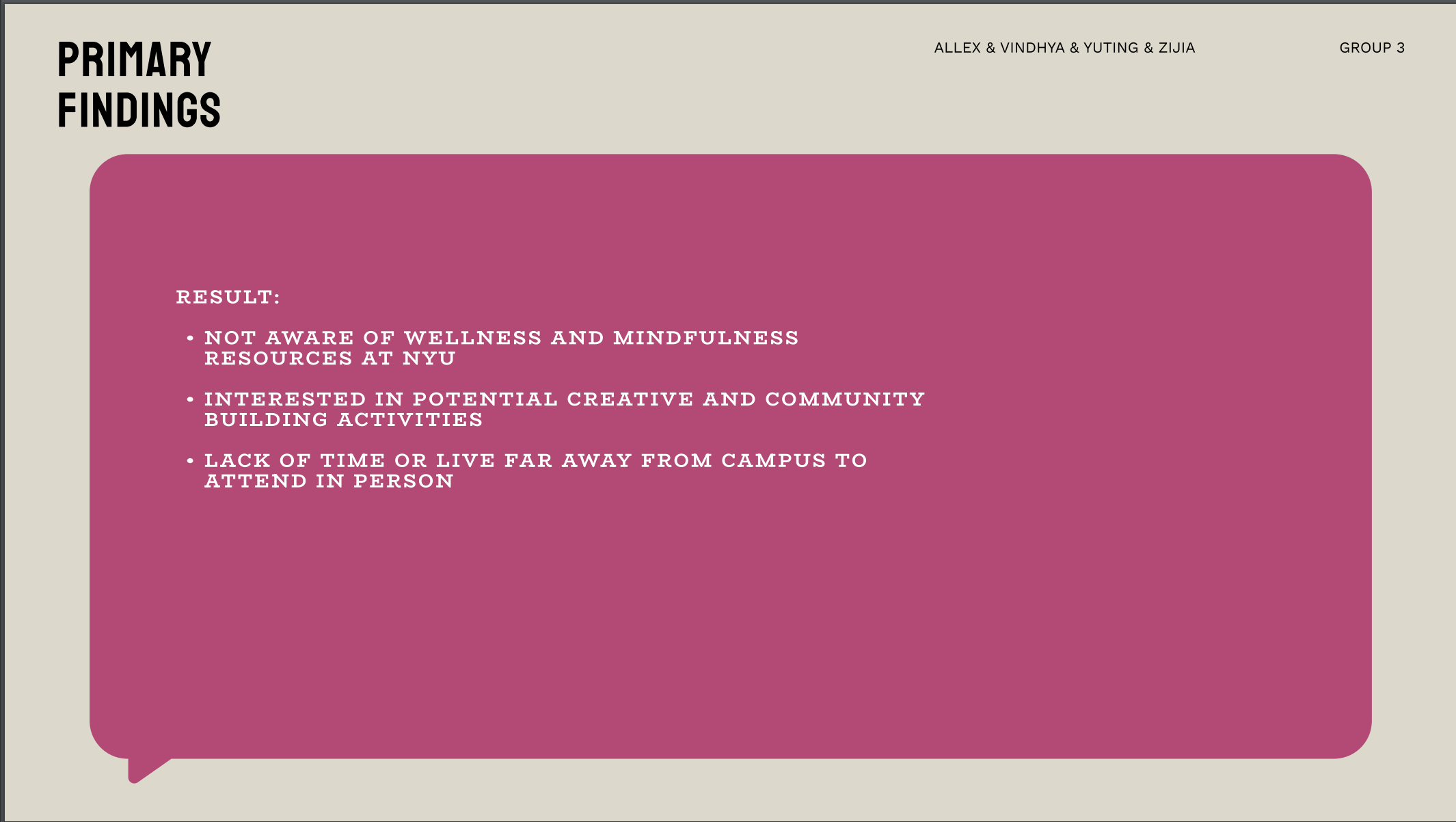
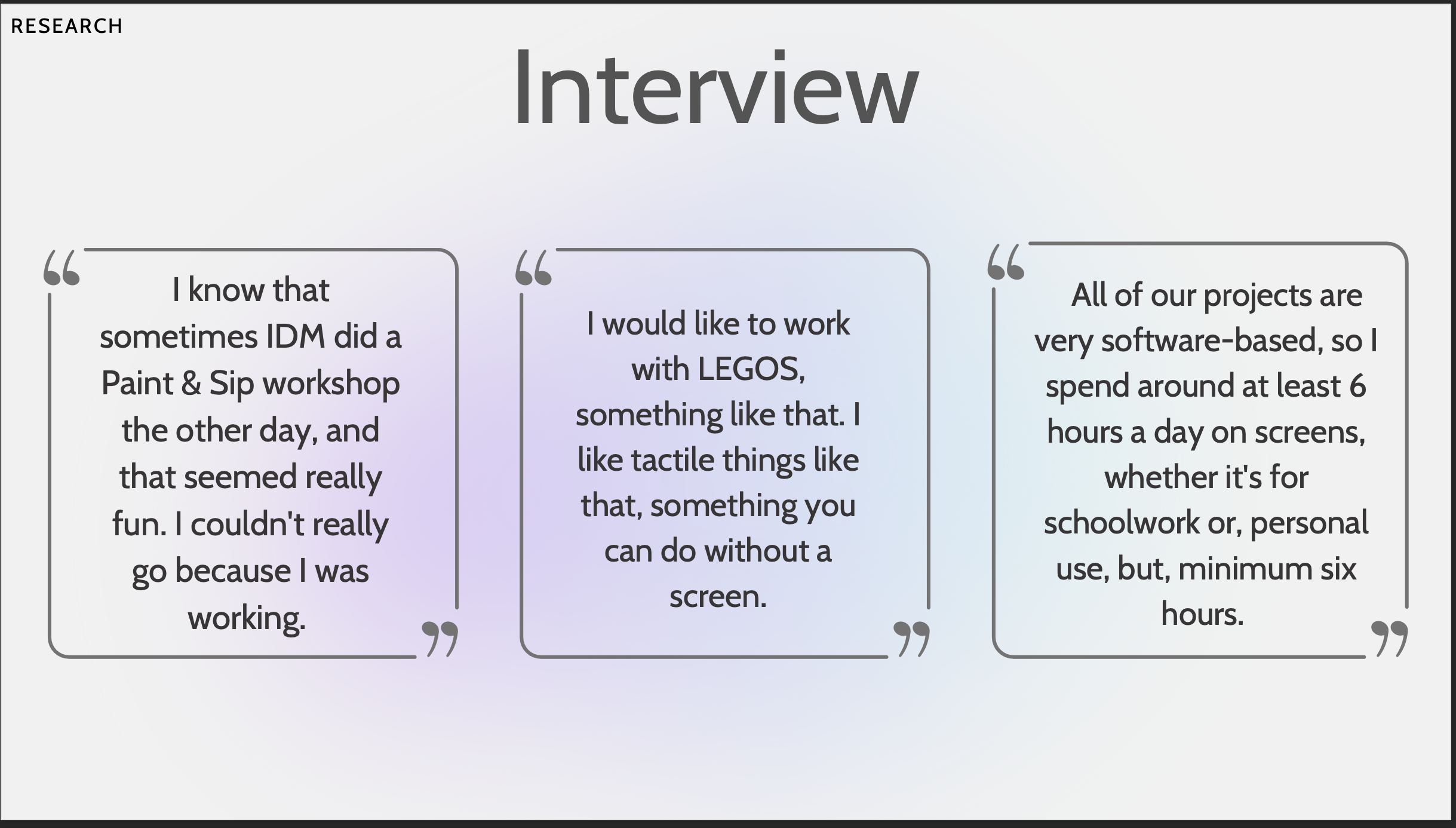
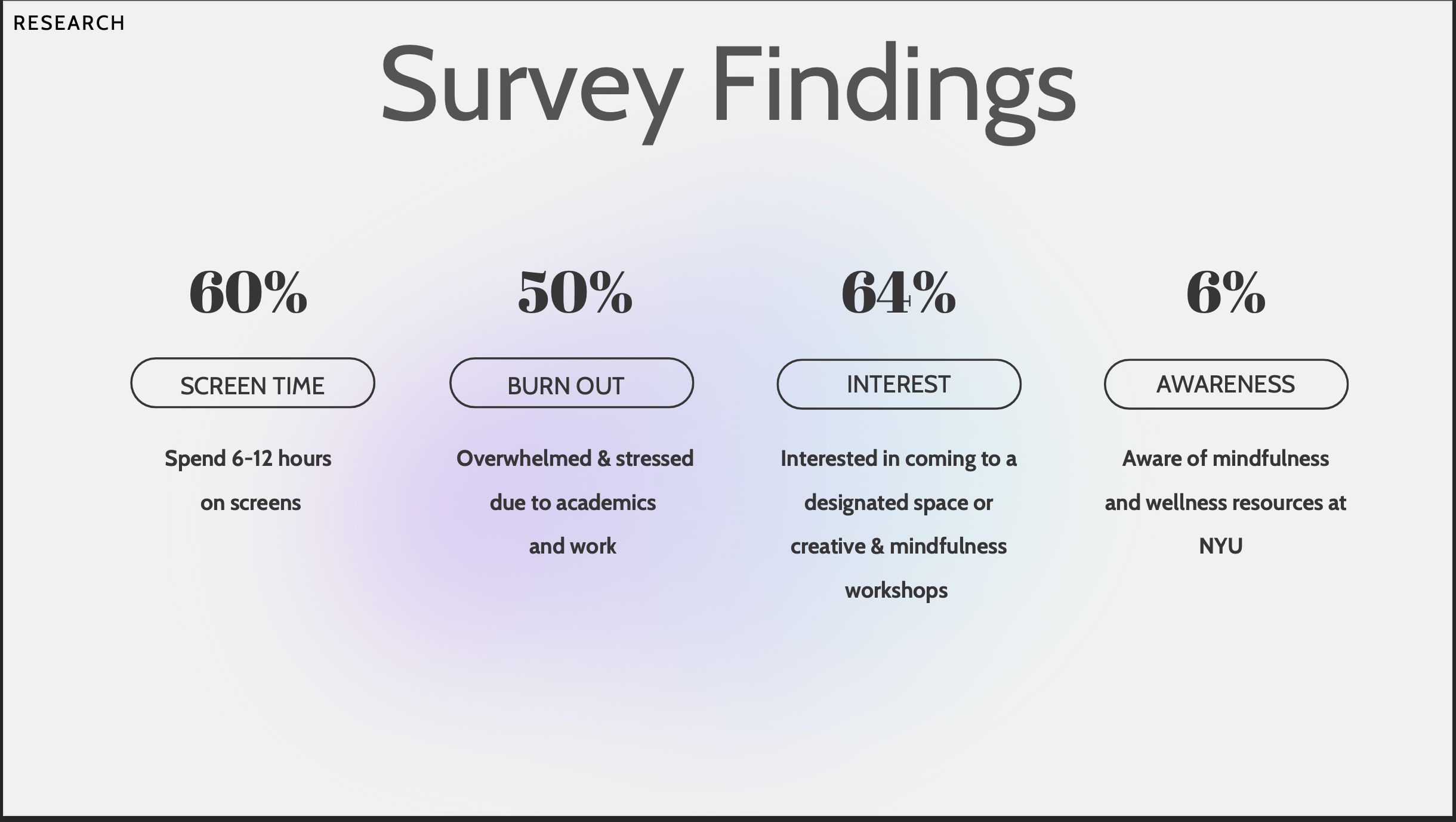
With the goal of each group member interviewing at least three NYU students each, we went around the 370 Jay Street building to find participants. We decided to pair up based on our respective schedules and planned on documenting responses through a video or audio recording. A group member and I headed to 370 Jay Street for our field research. I brought Halloween candy at the last minute to incentivize students to participate. My group members had thought of a clever documentation idea: to bring a mini microphone we would use to interview students. One of us would record while the other would interview, ask for their consent to record, and assure them that these responses were for research purposes. At the beginning of our interview process, I was concerned that students would either be too busy to contribute or unwilling. Surprisingly, there were many willing participants. Some students even approached us to ask what we were doing. Our group members exceeded the initial goal of 3 interviews each and collected over 13 separate interviews. The results of these interviews were close to our original thoughts regarding community, stress, and screen time. Many students we interviewed expressed how they would look at a screen most of the day at times exceeding twelve hours. We also got many responses that address how it is hard to find time to do creative non-course related projects or have little time to express themselves creatively through recreational activities. Some students were unaware of the wellness resources NYU had to offer. These responses presented a need for these de-stressing activities and information on existing programs at NYU Tandon.
Week 4: The Pivot
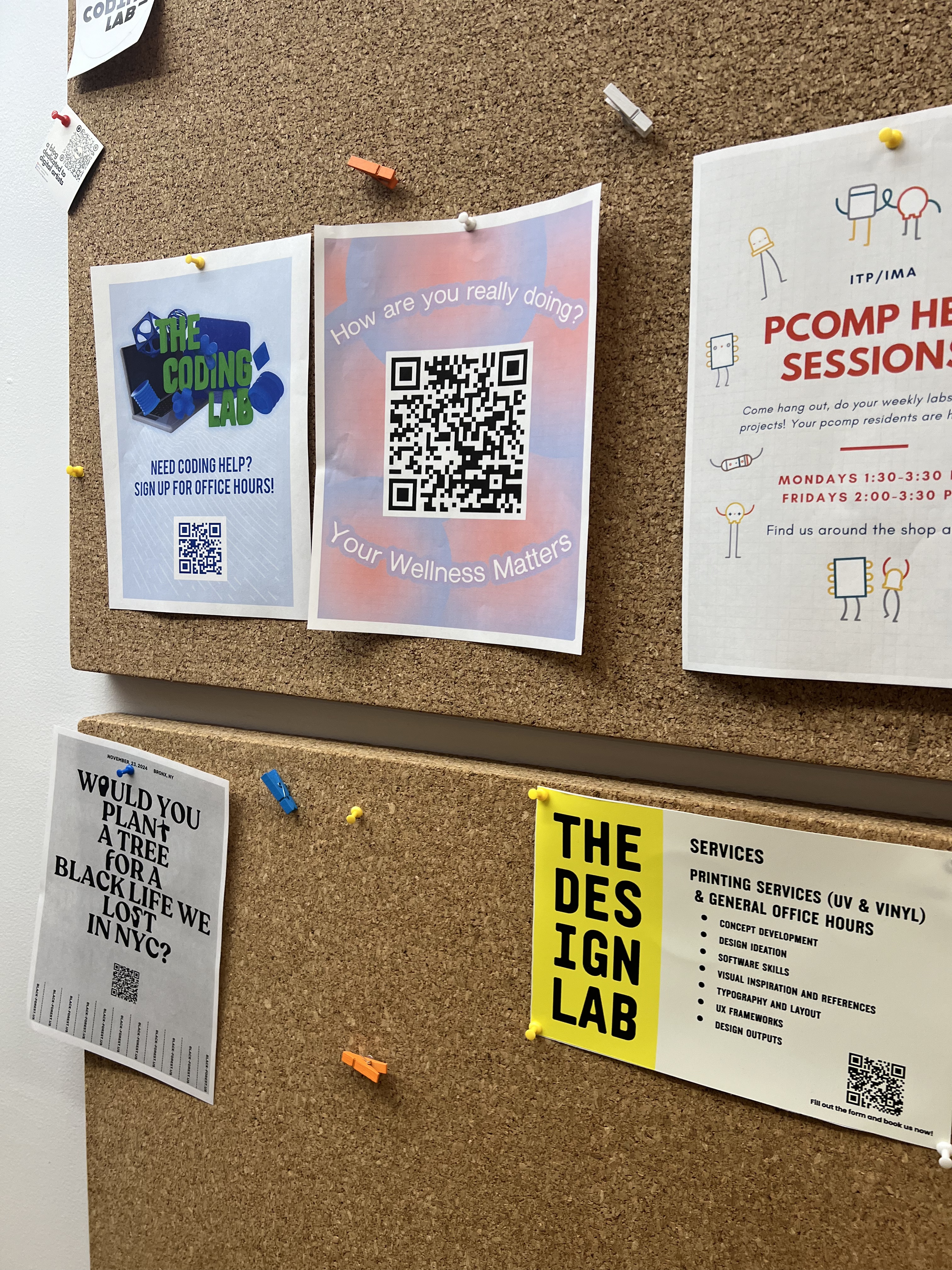
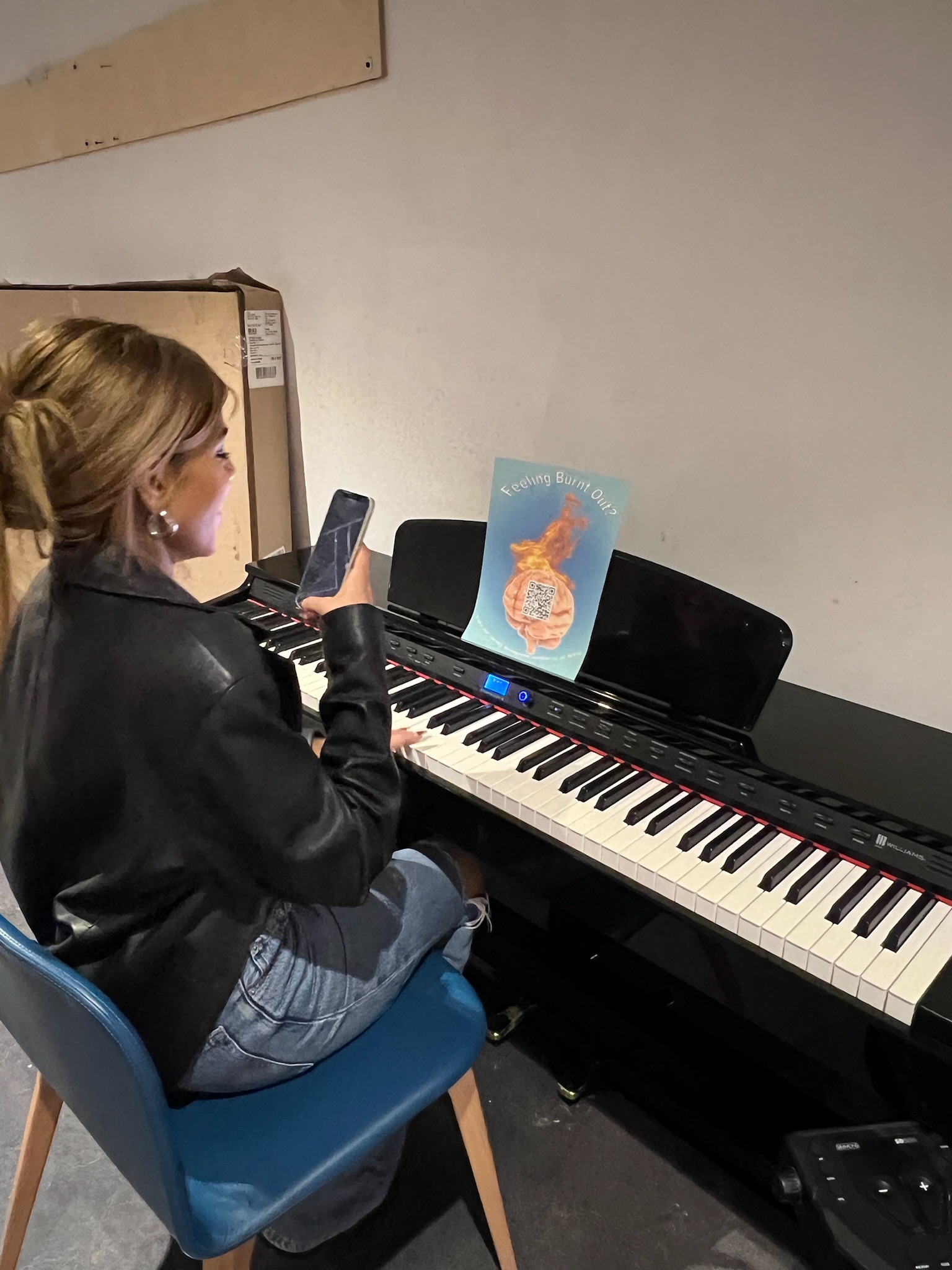
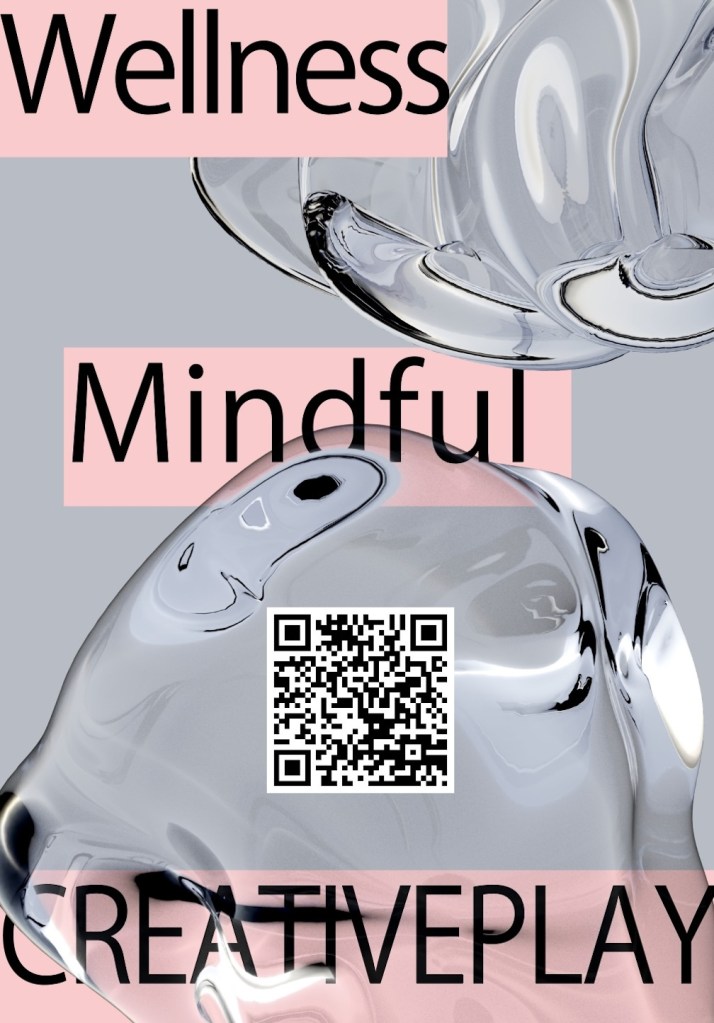
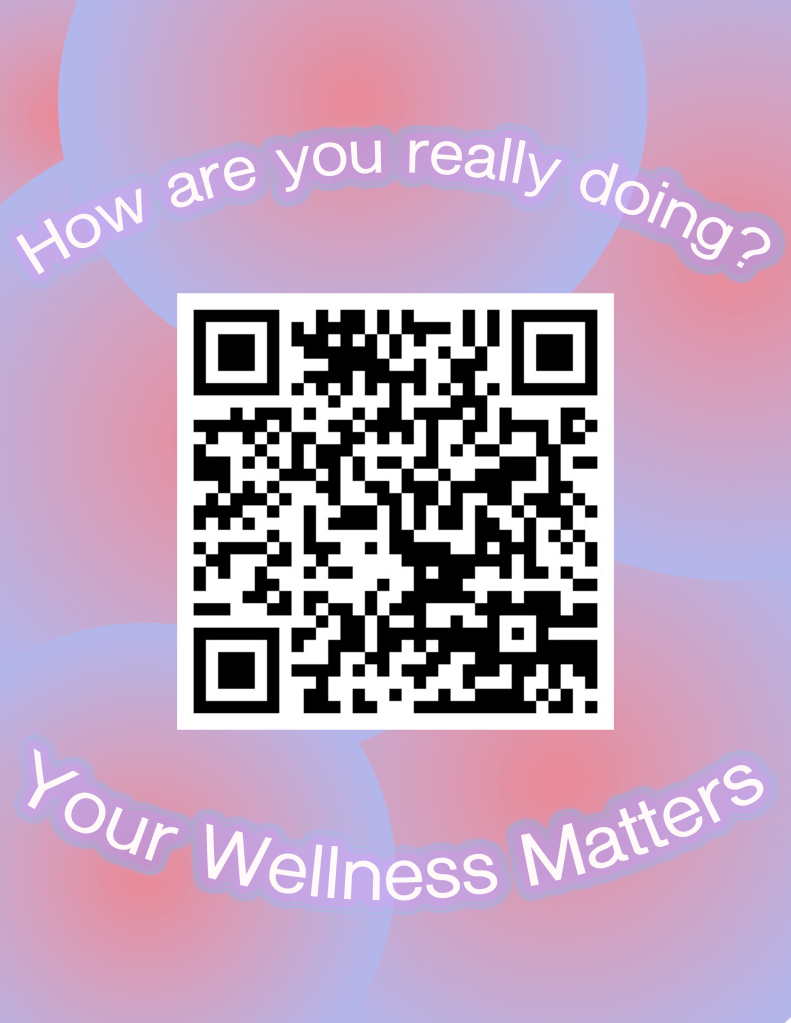
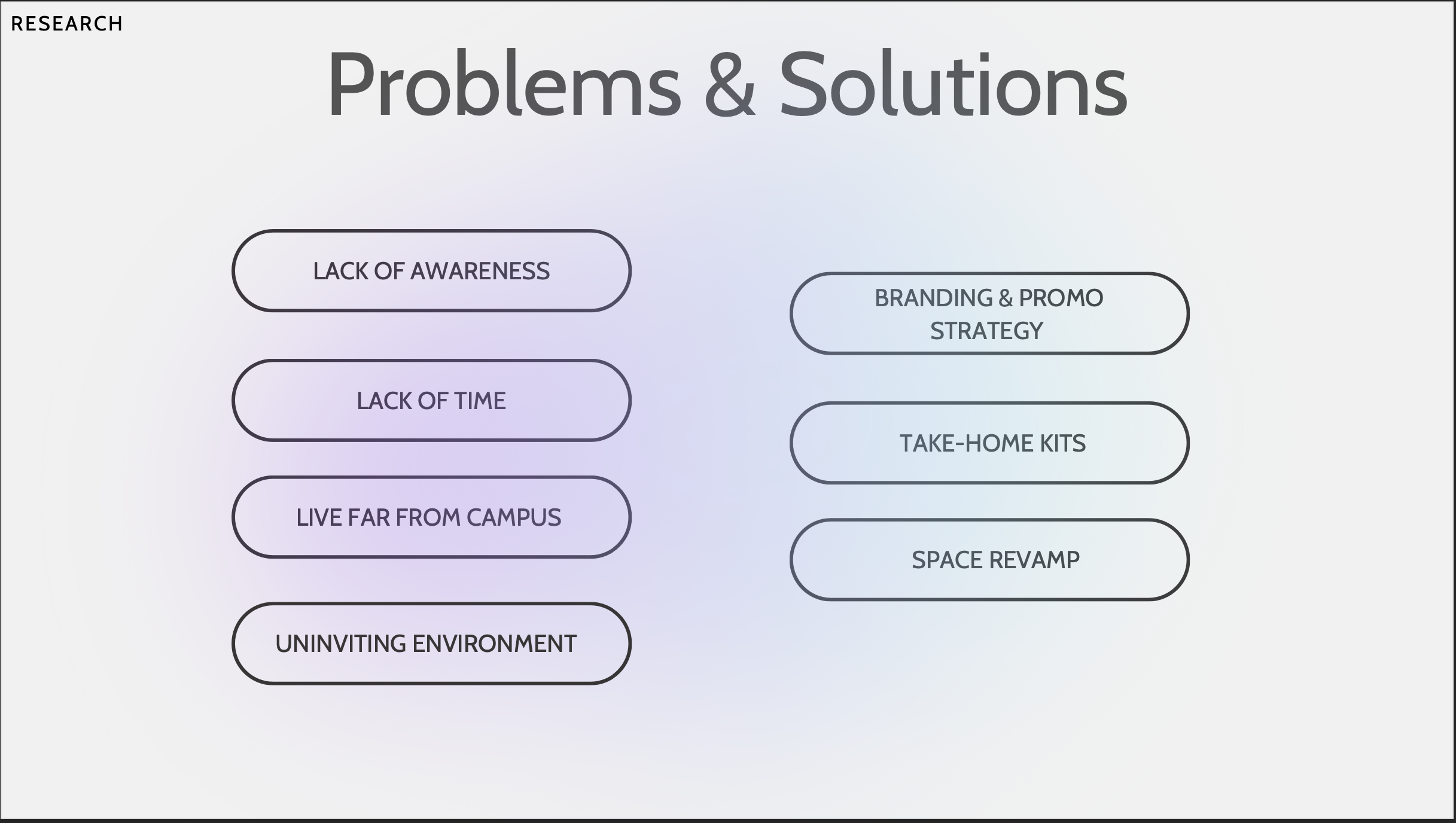
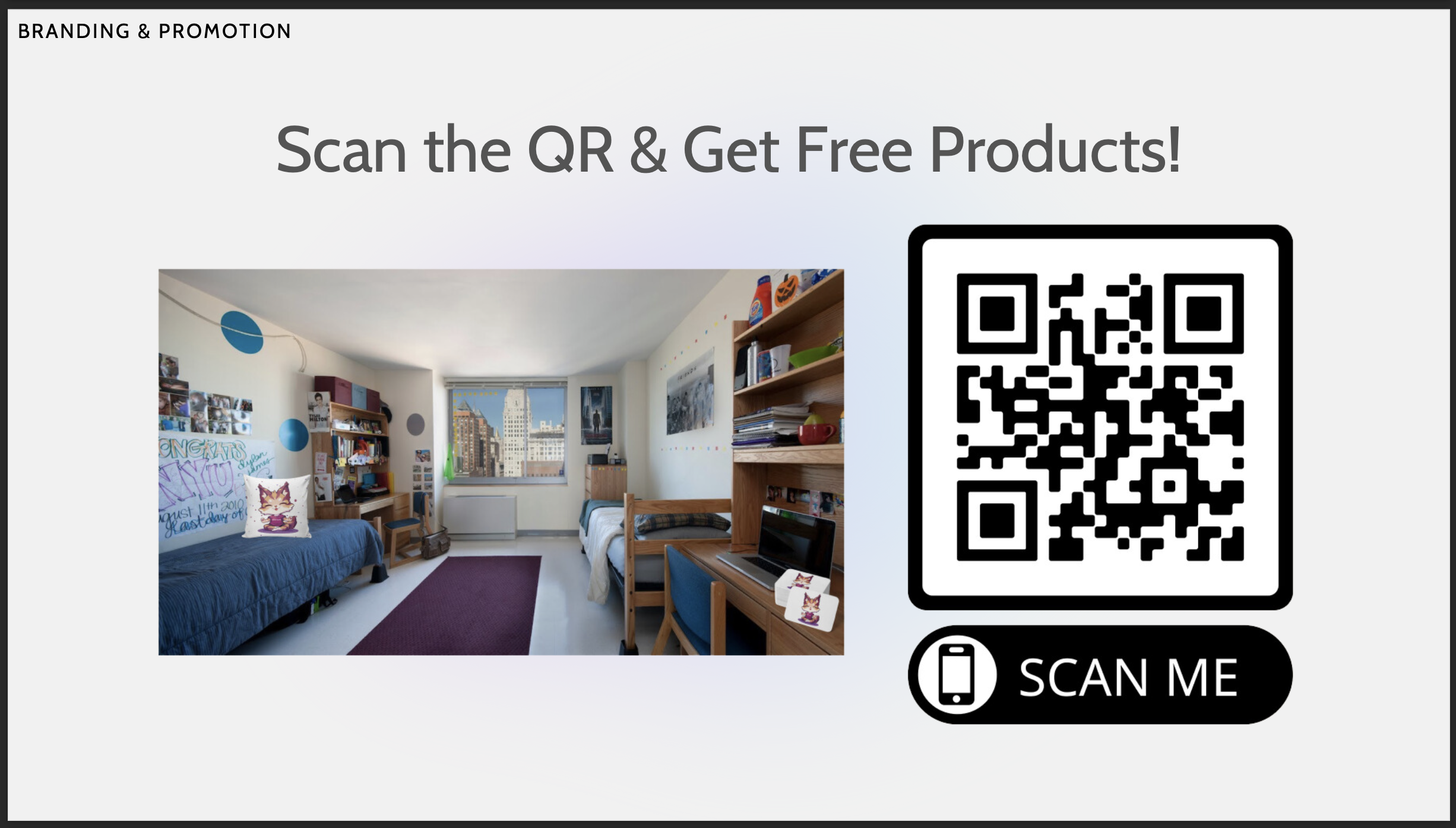
Following our field research, we decided to pivot our idea. We did more research on NYU’s wellness resources and found that there were quite a few. We decided that rather than creating our program from scratch, we would want to partner with these existing programs and collaborate or improve their platform so that NYU students would be both aware of their availability and easily accessible. We contacted Mindful NYU and NYU’s Relaxation Oasis for more information about their programs and roles within the NYU community. We also began to revise our survey questions to address better the changes we had made to our original idea by including questions that asked if students were aware of these programs. While the Relaxation Oasis responded by saying they were too busy to meet regarding this research project, Mindful NYU agreed to have a meeting; it was only a matter of when. With our newly revised survey questions, we finalized and launched our survey. We created flyers with a QR code that would lead students to our survey, which we narrowed to roughly eight questions and ensured that at least one or two touched on each of our three topics. We also spoke with other students who worked on NYU’s newsletters about spreading the word through their publications, setting the stage for the next steps of our research project.

Week 5-Week 7: Survey Results, Take-Home Kits, & Focus Groups
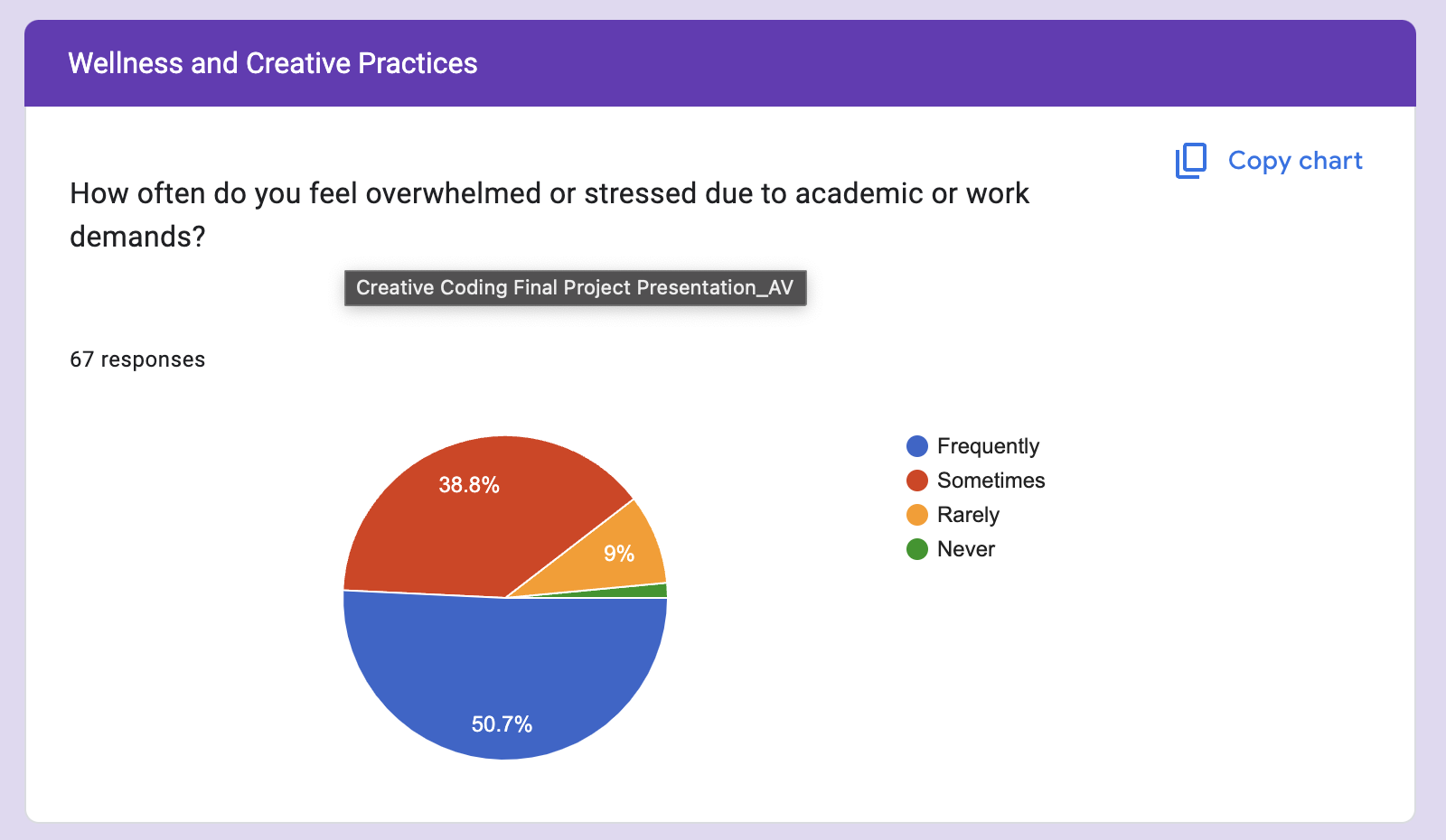
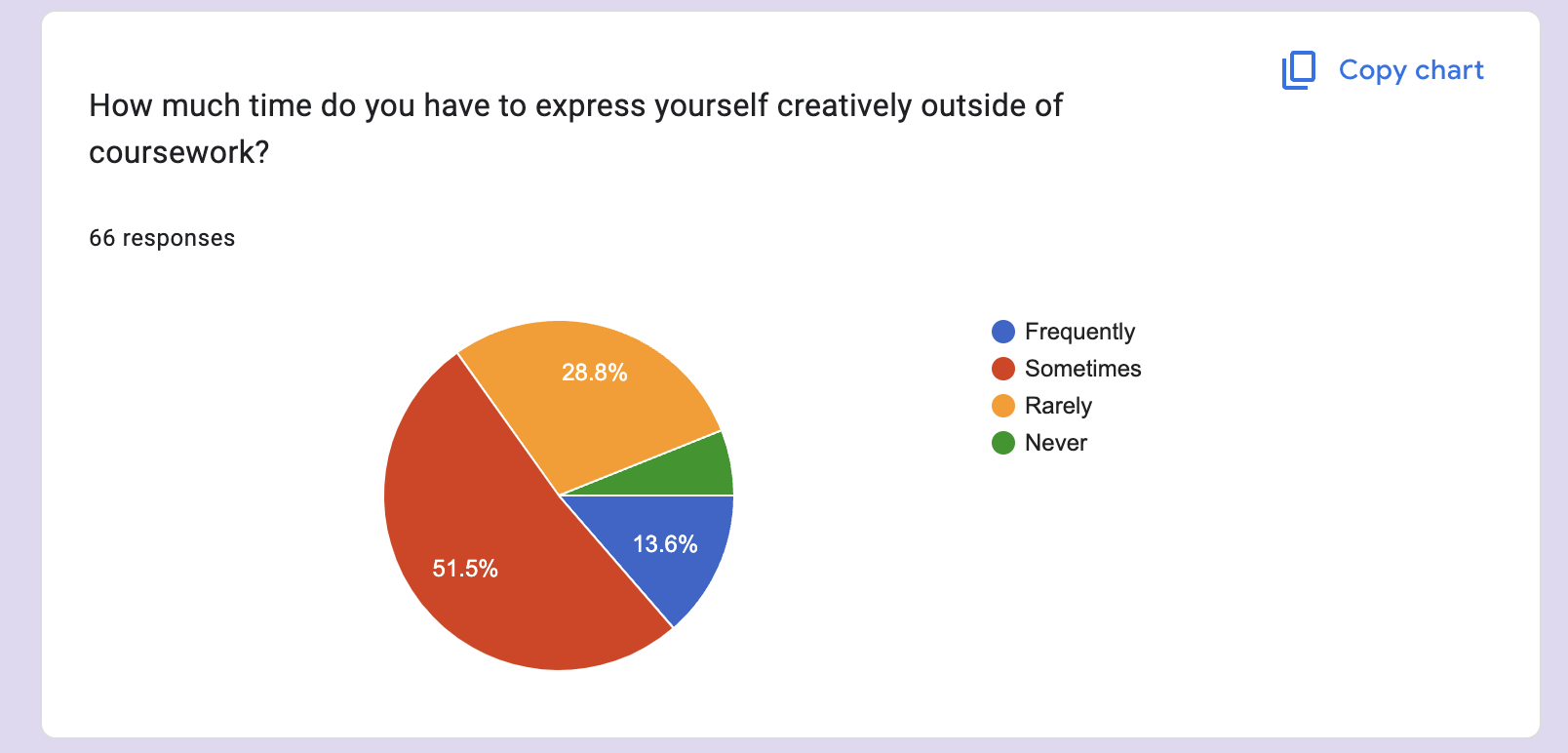
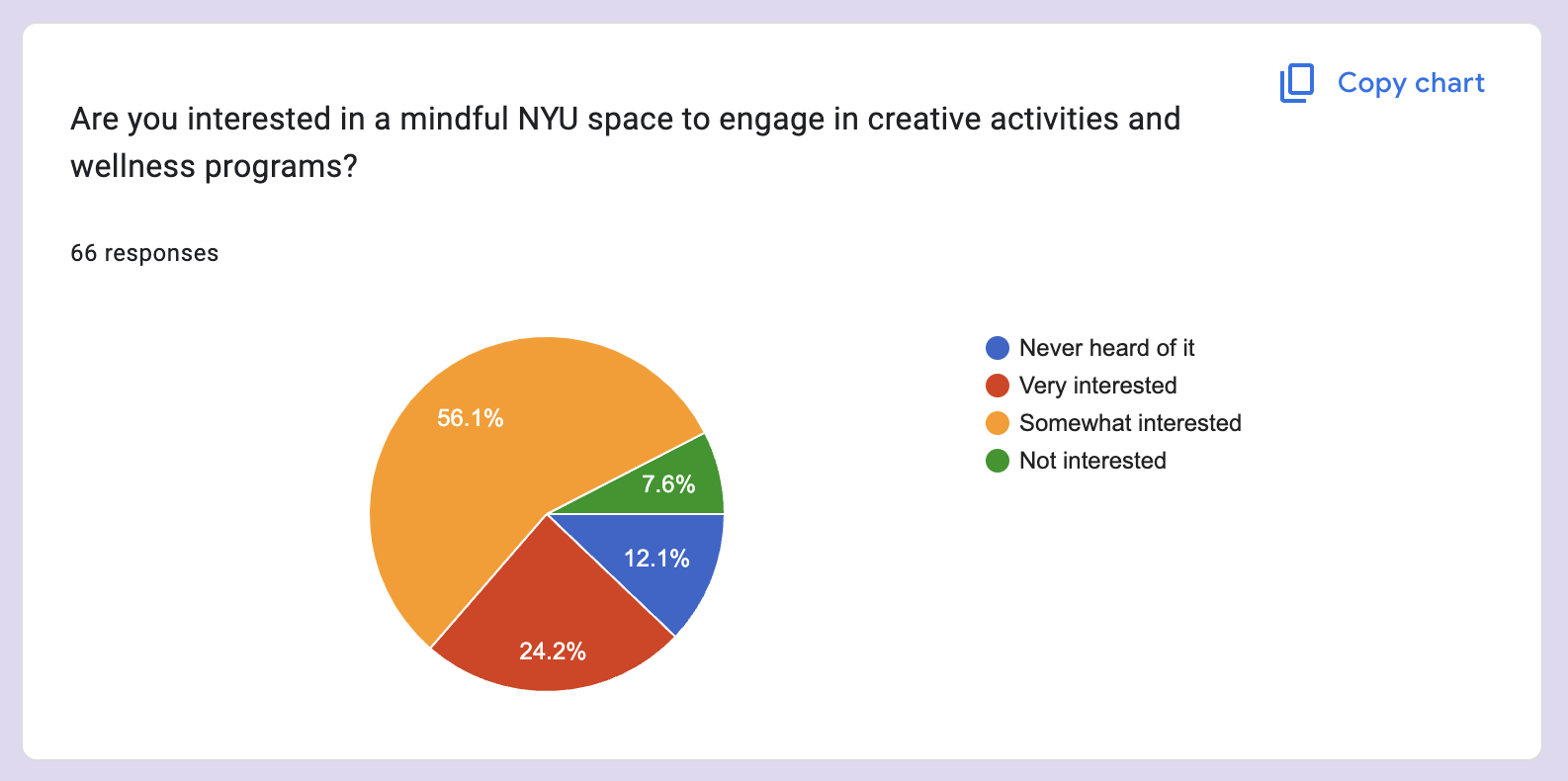
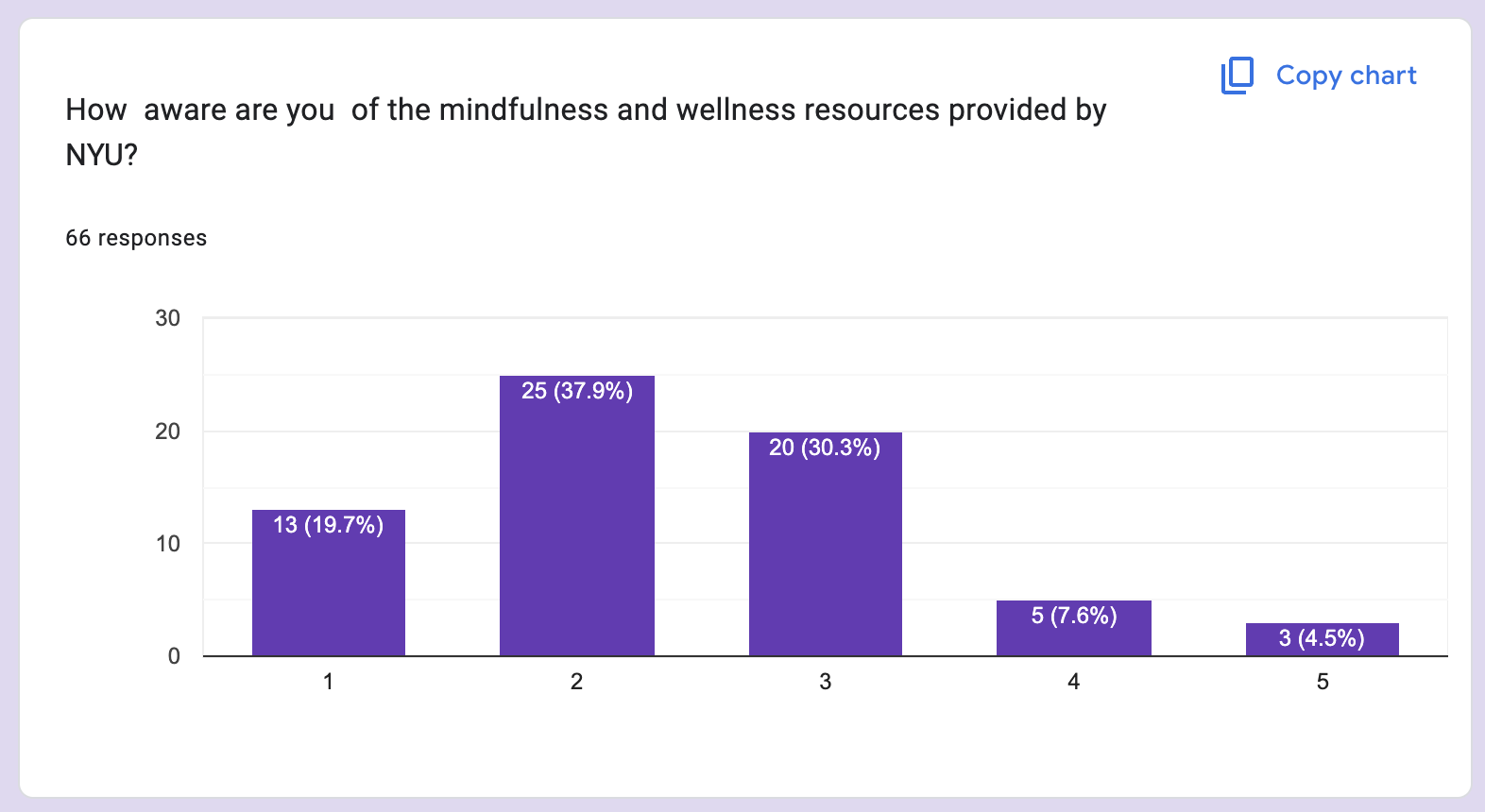
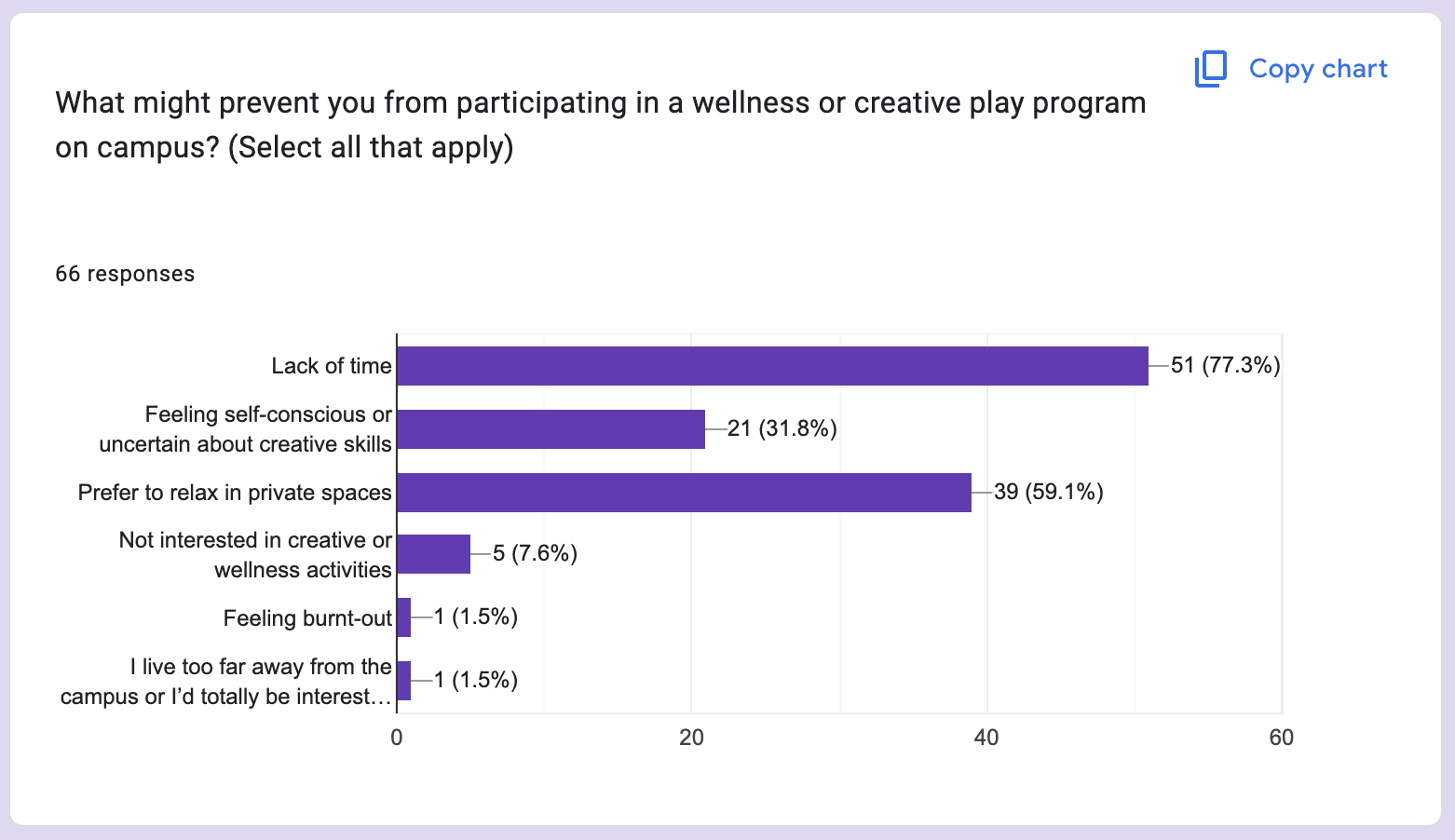
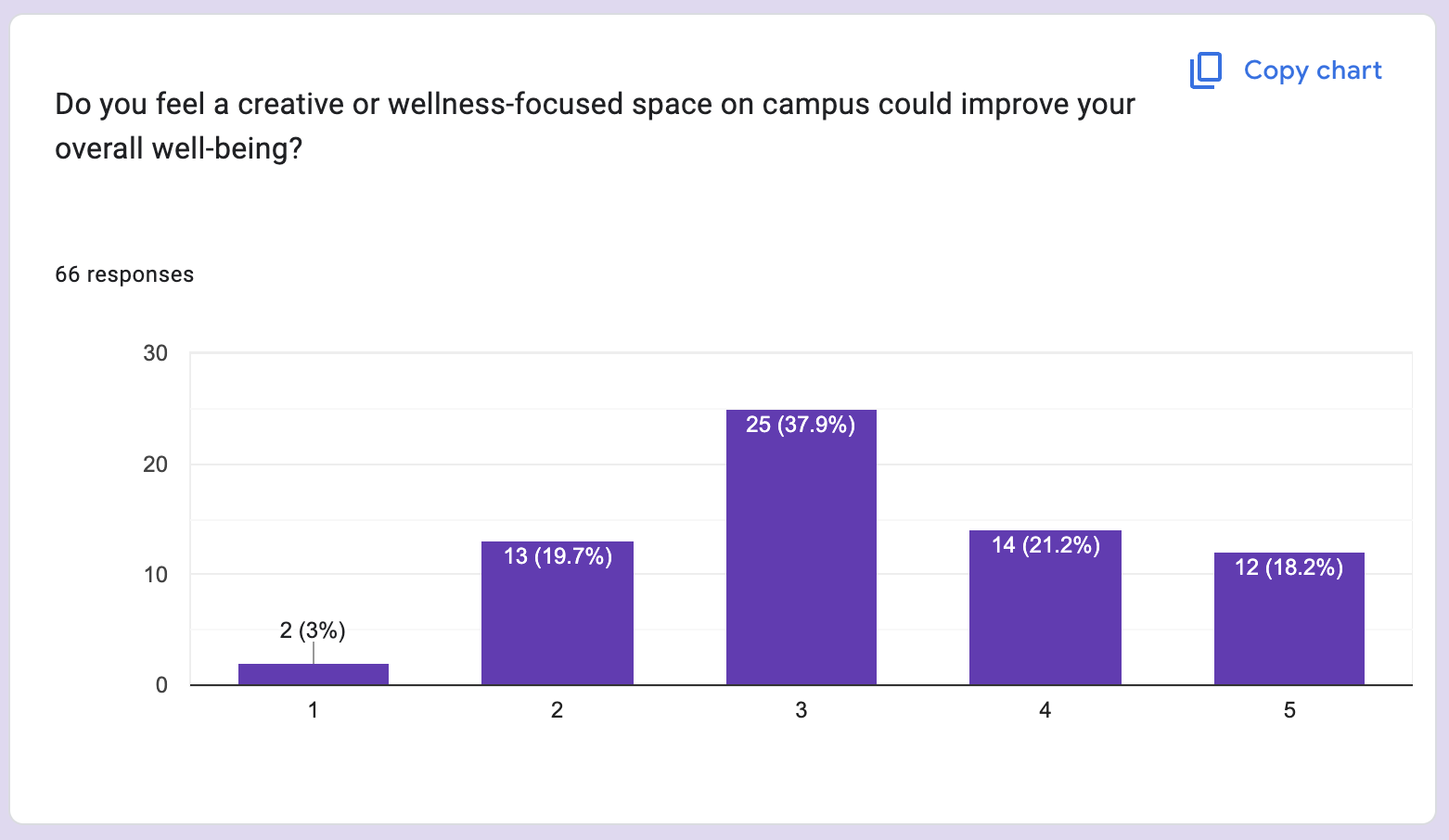
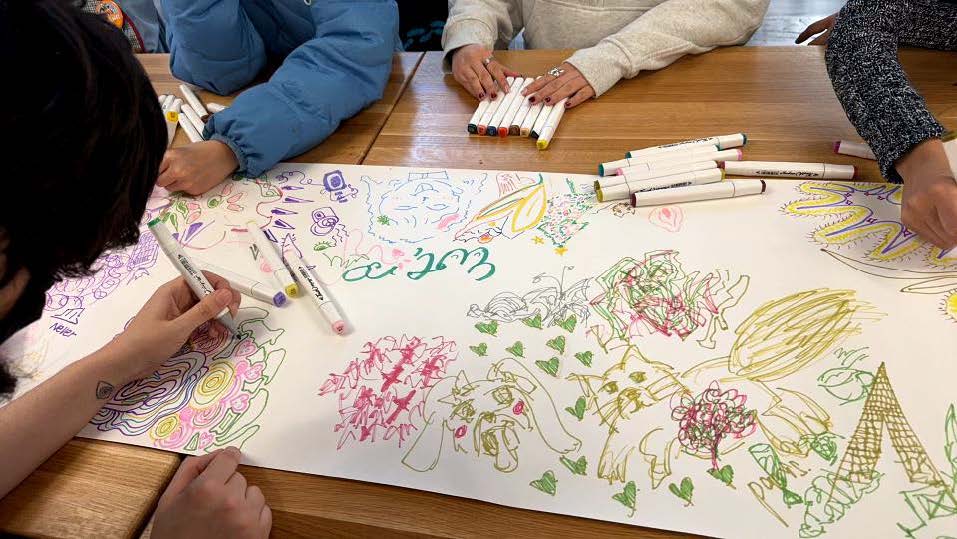
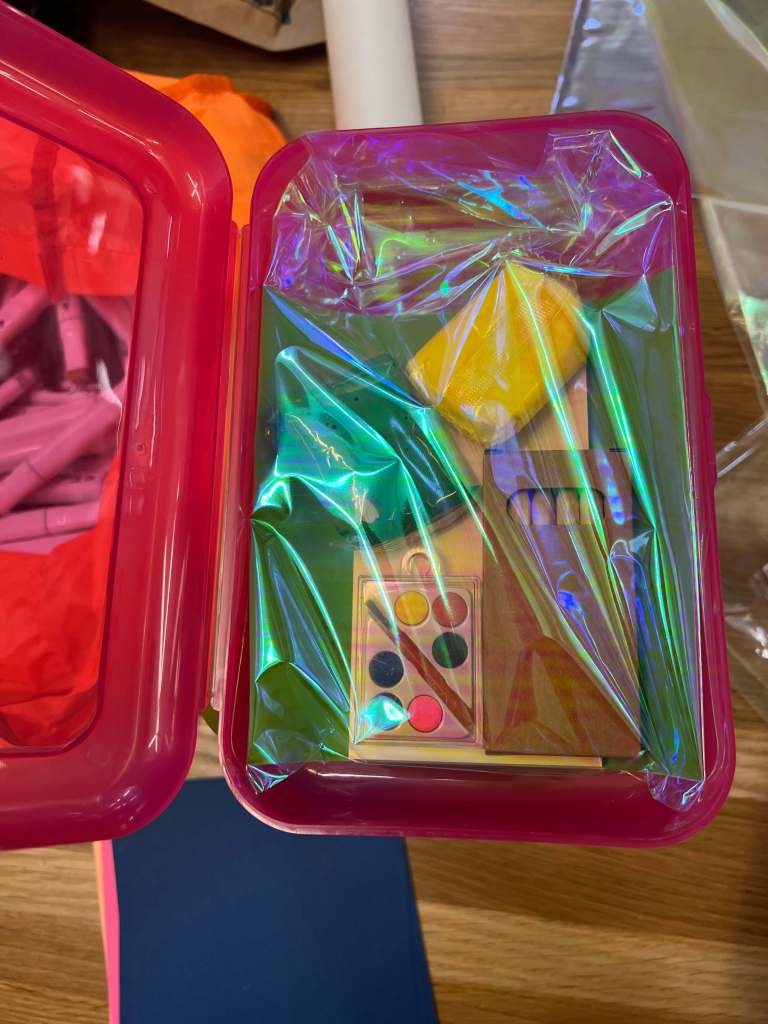
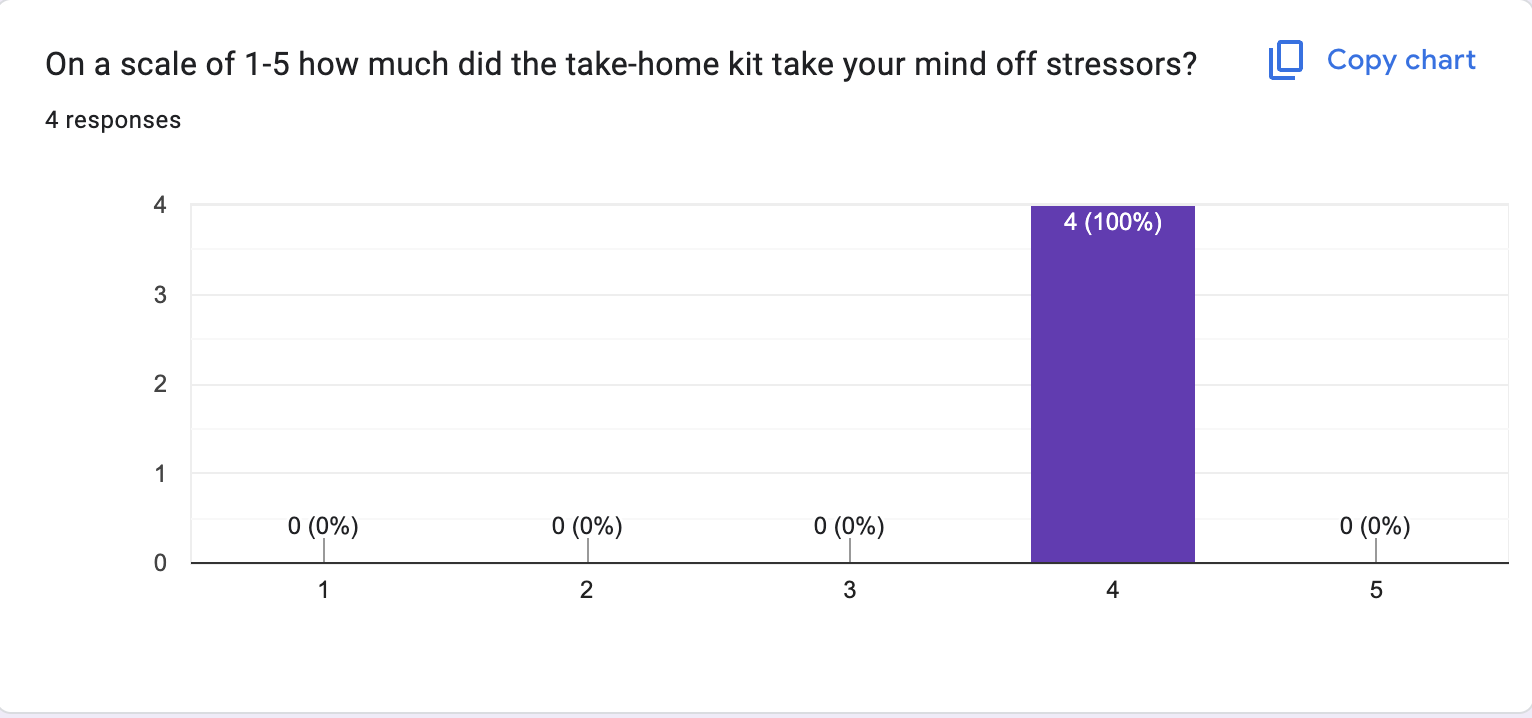
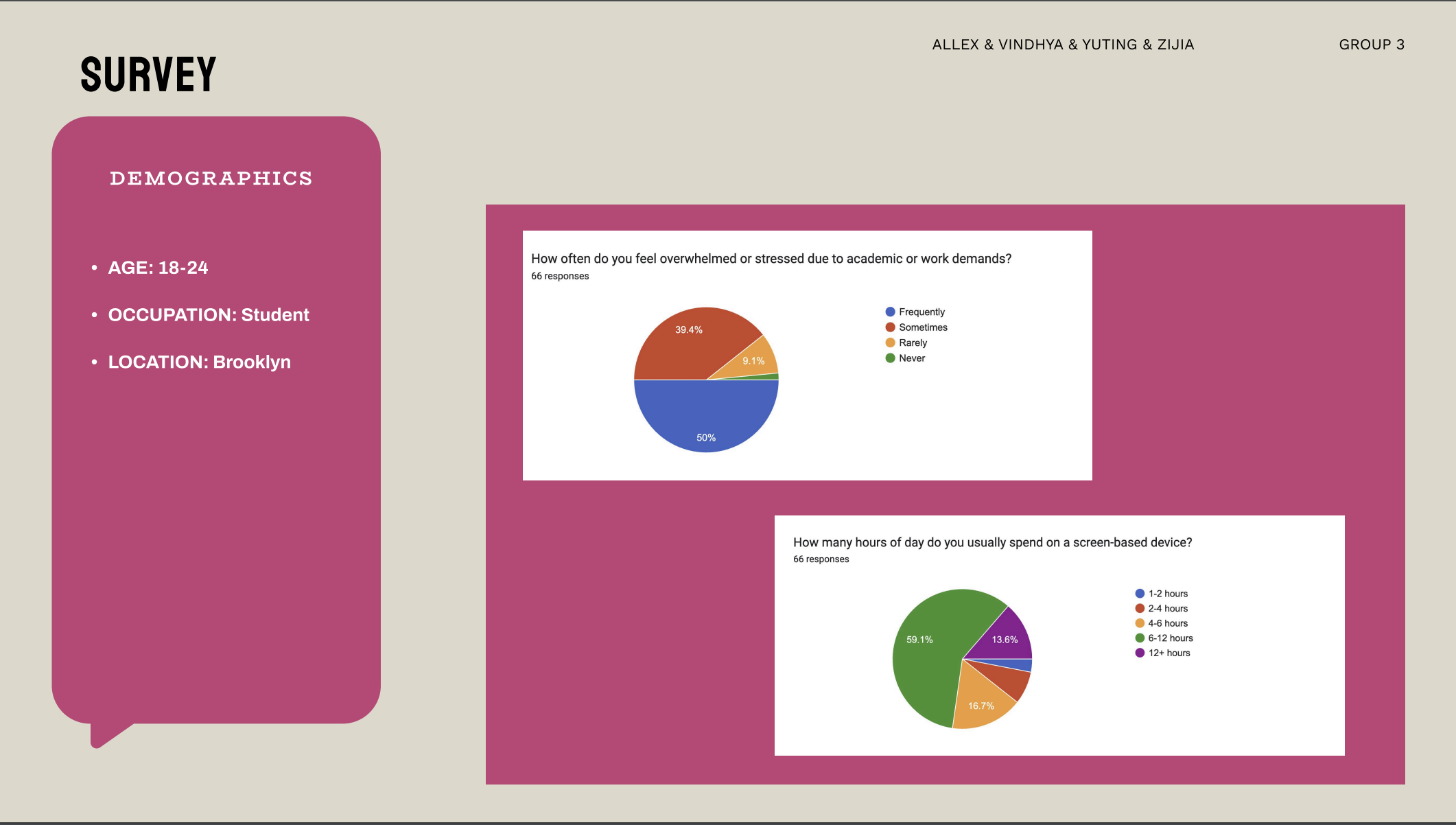
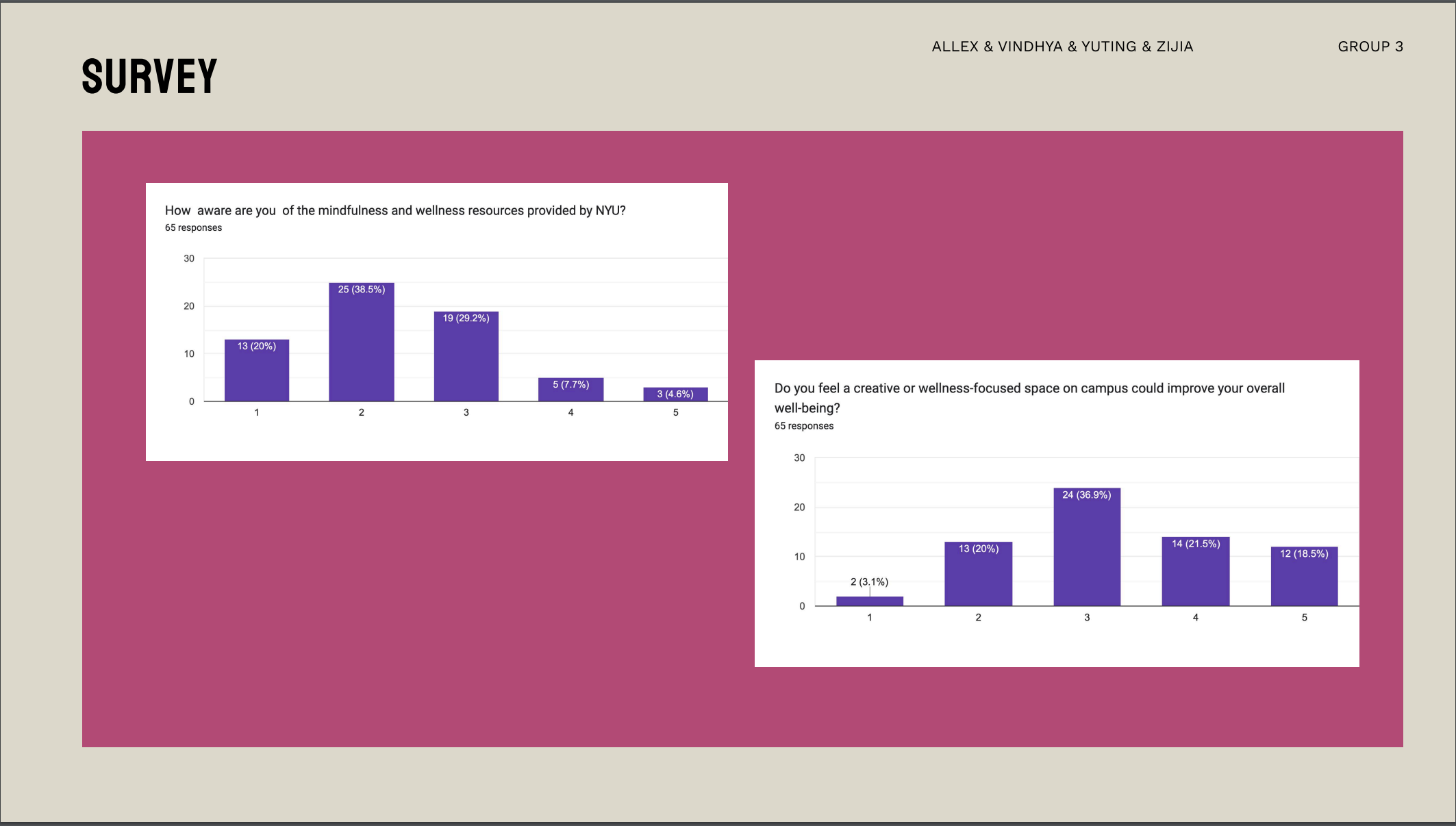
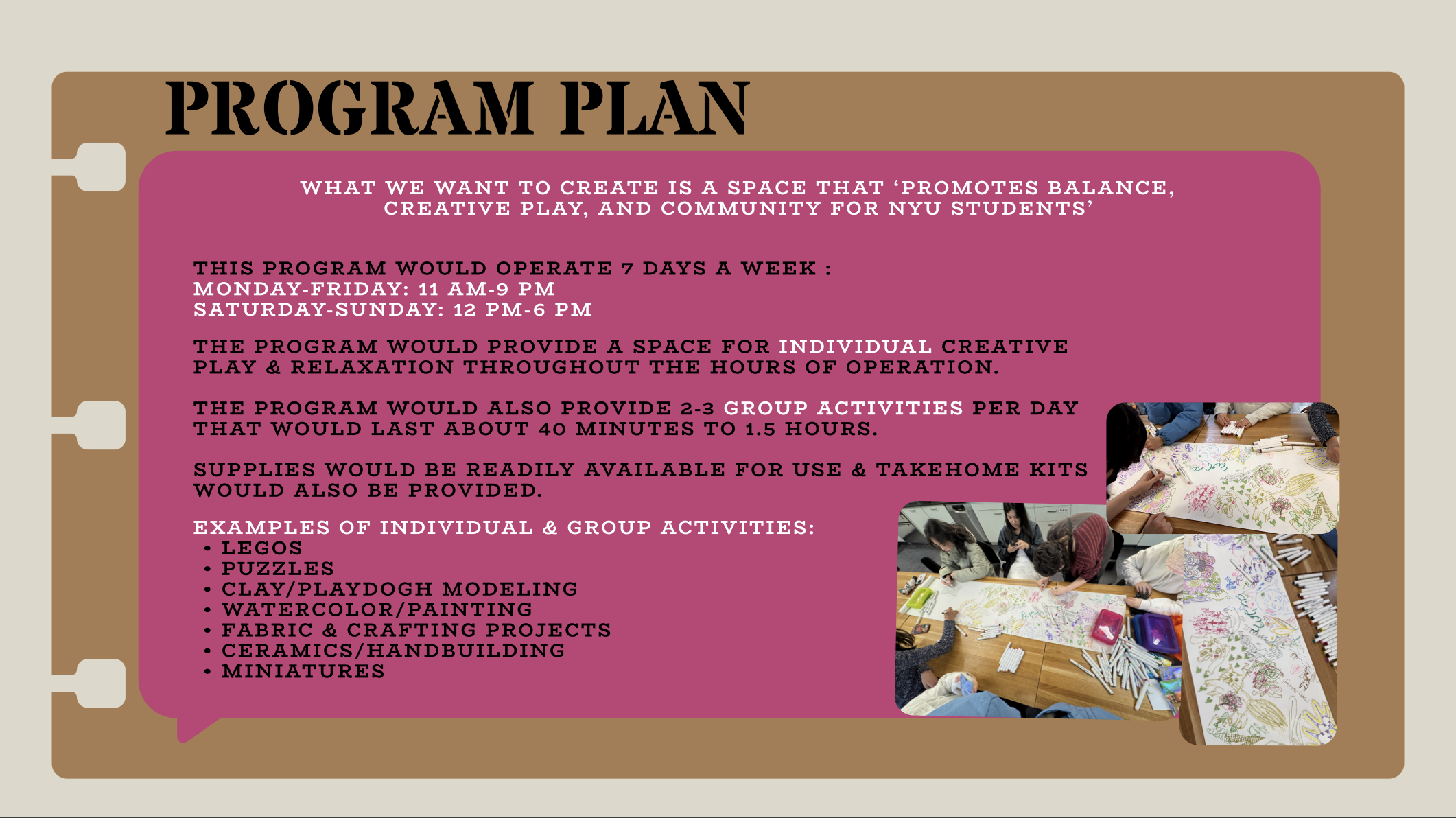
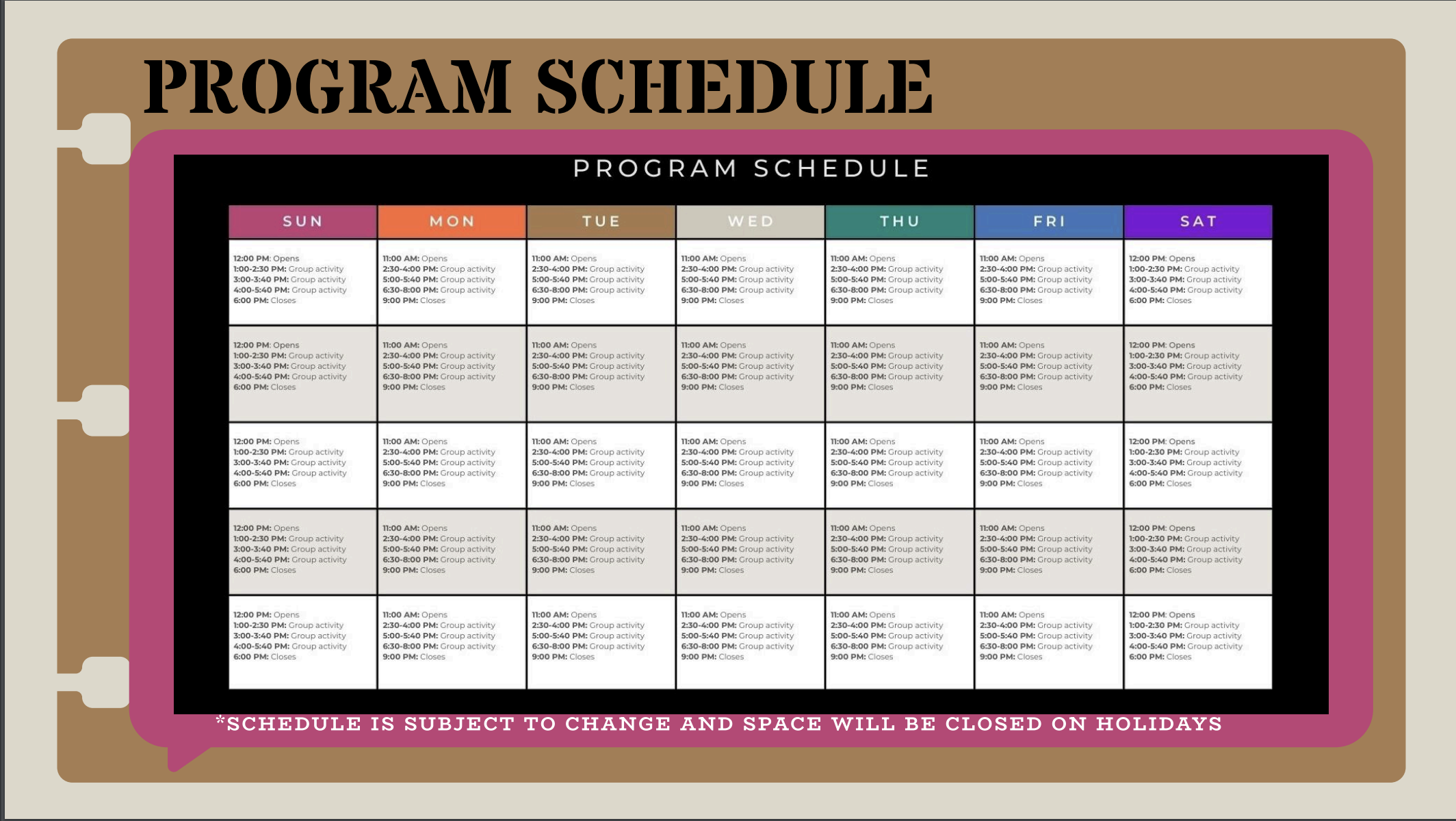
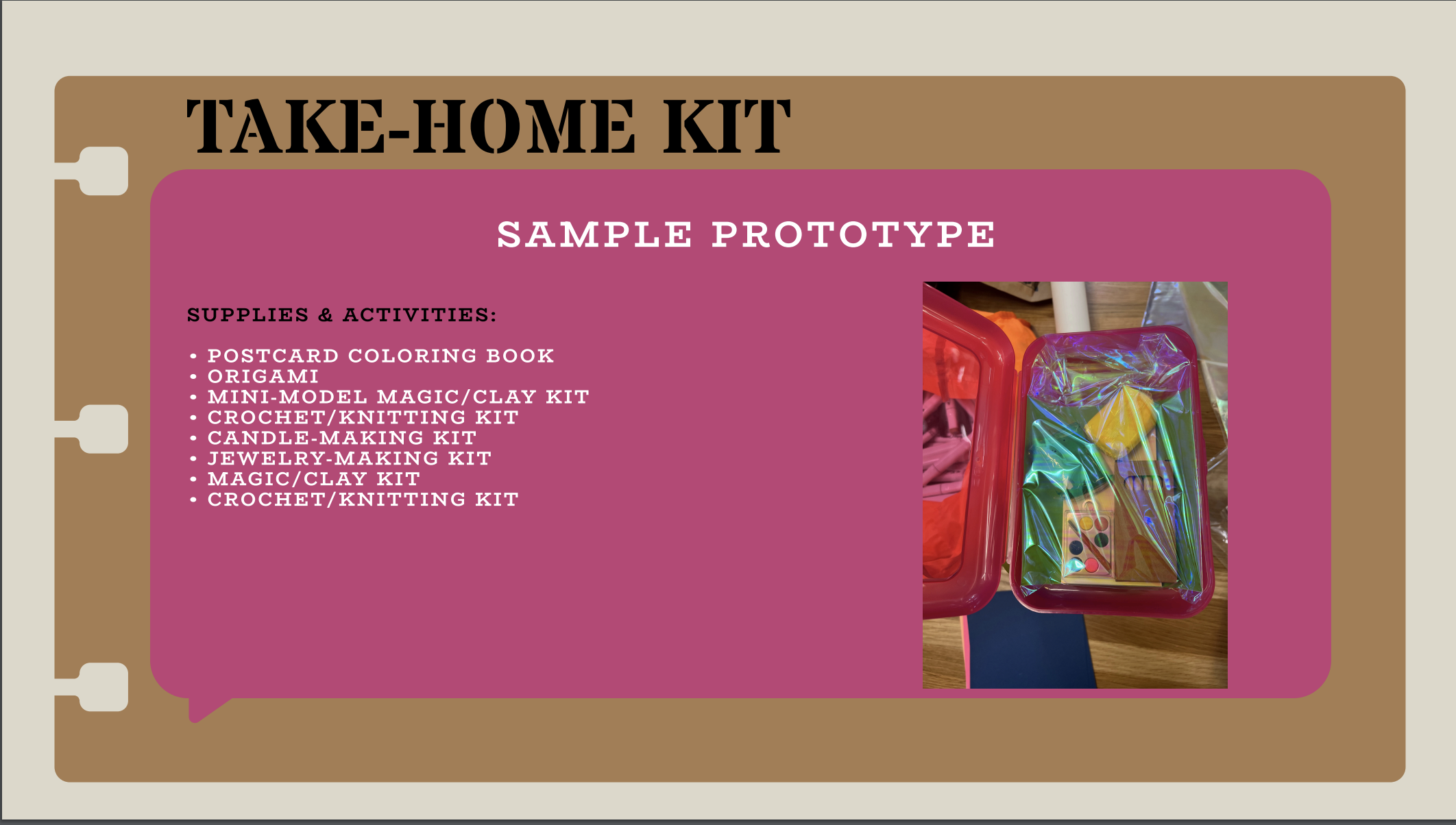
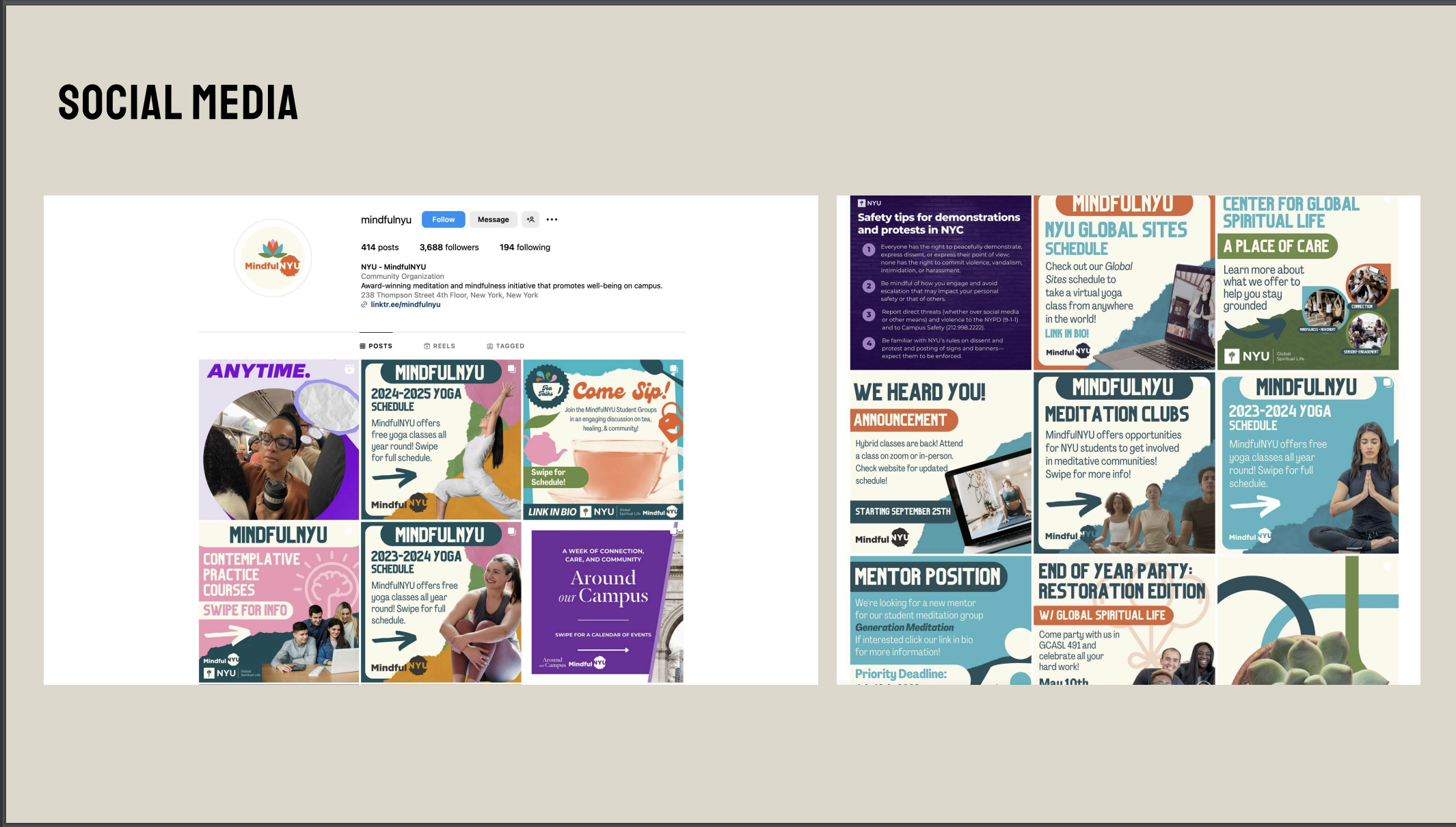
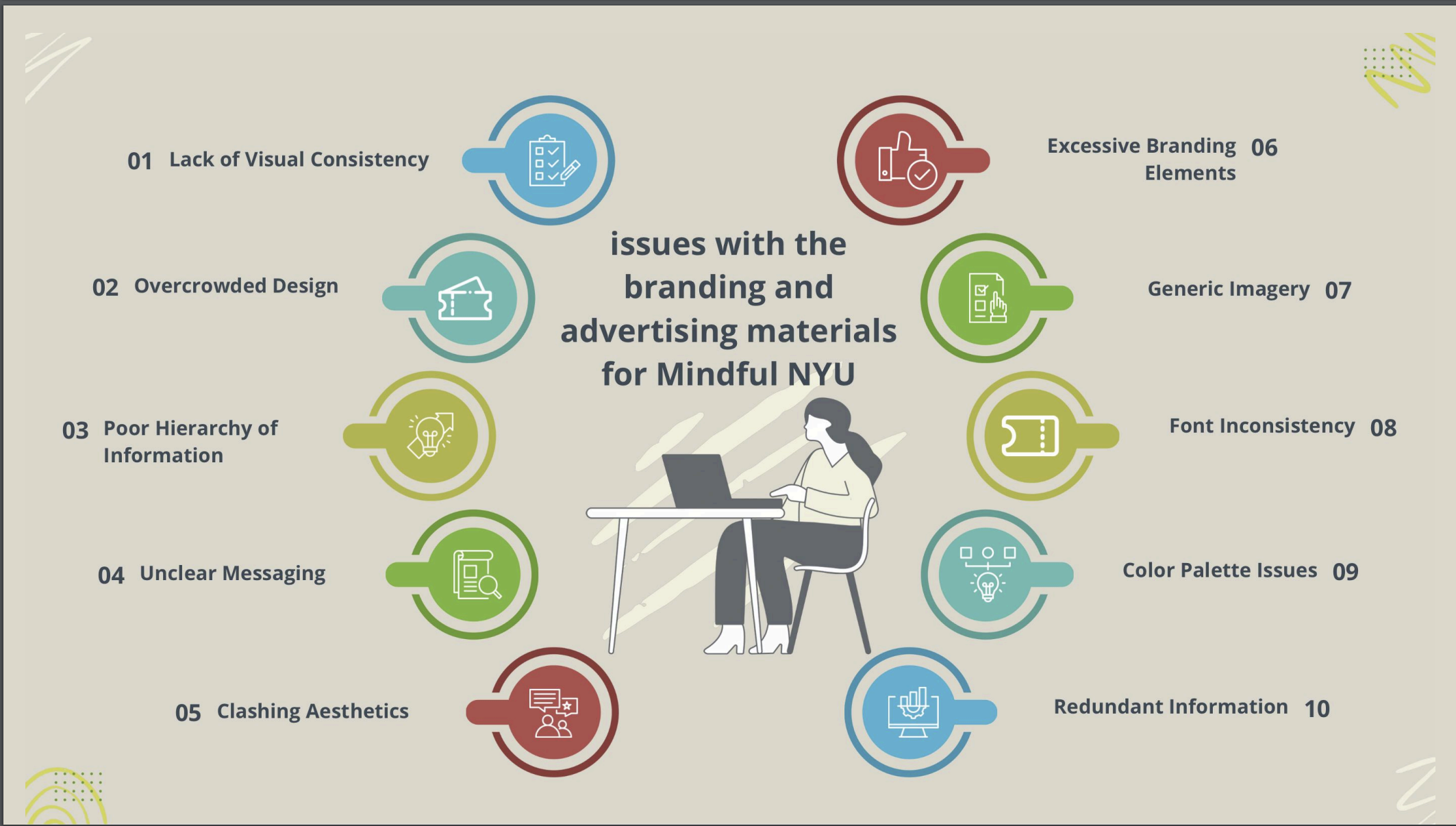
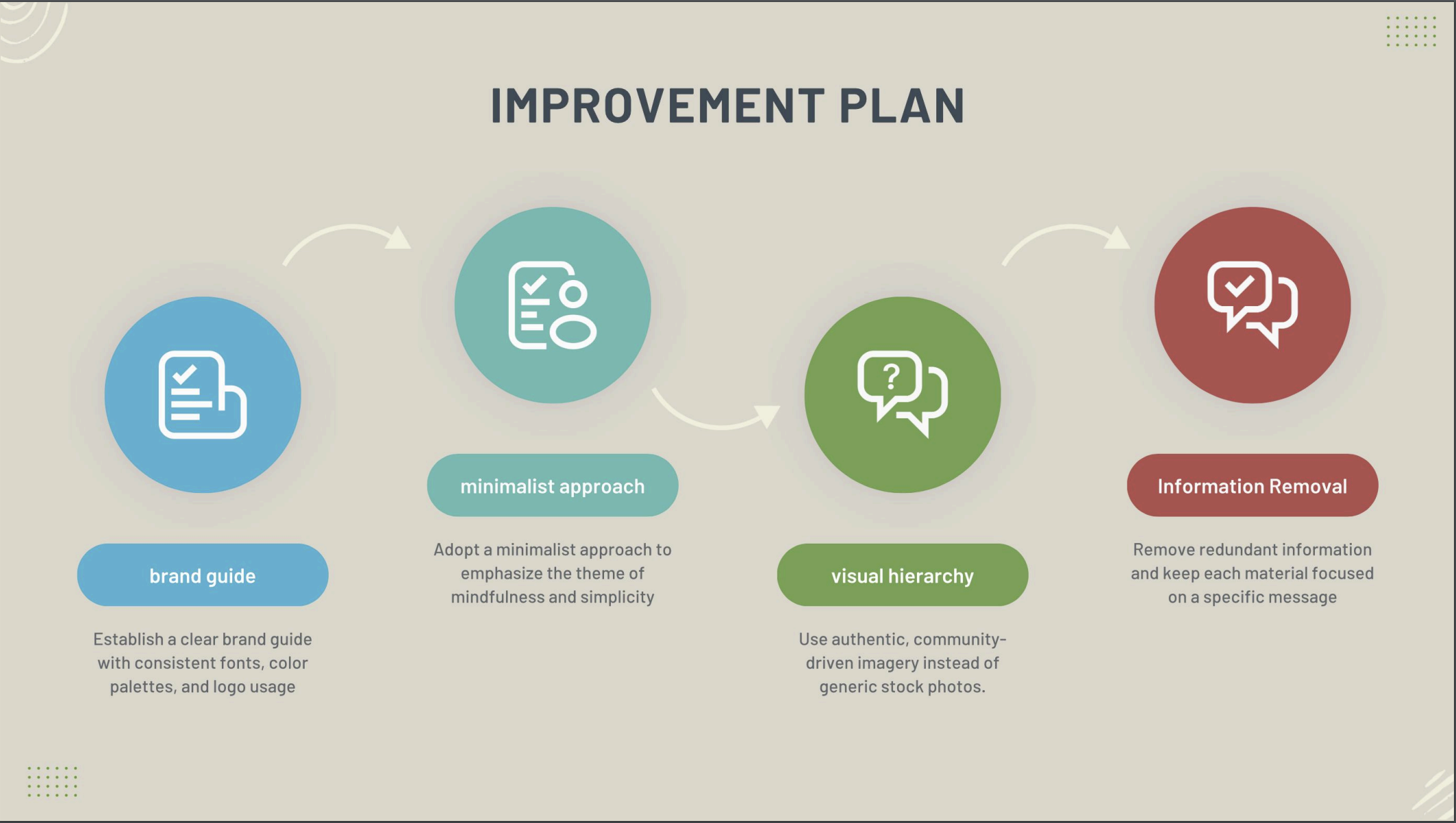
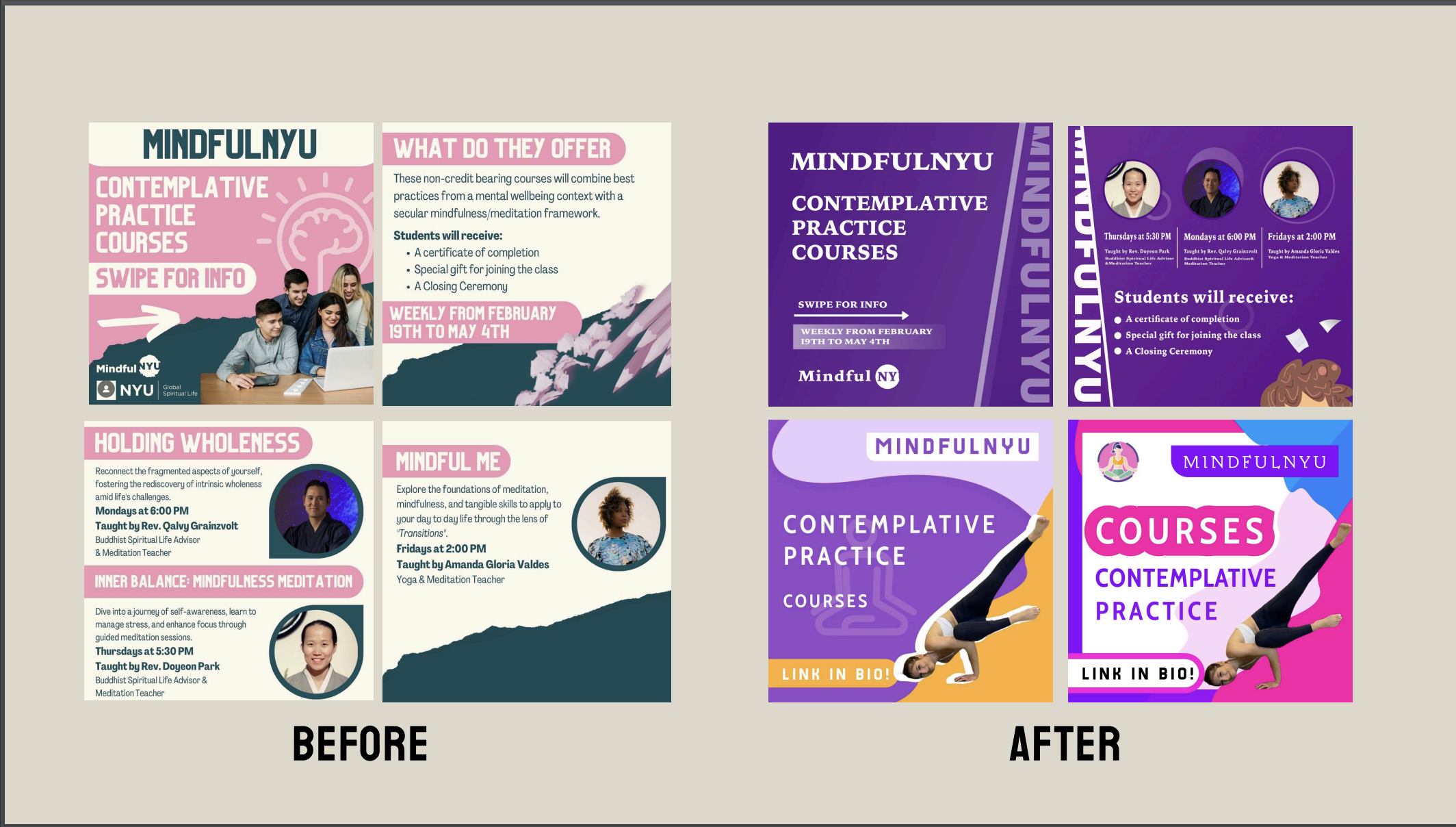
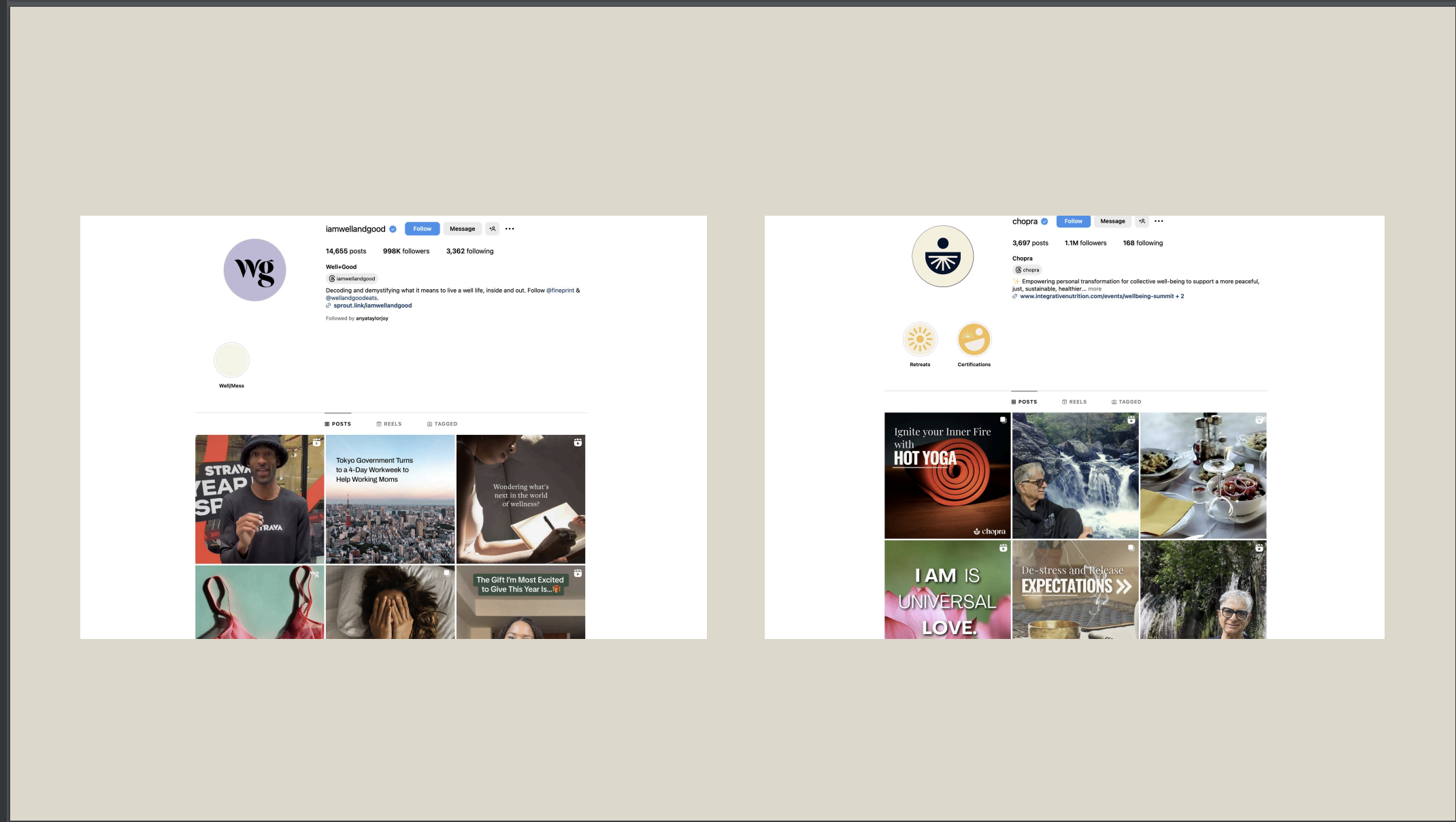
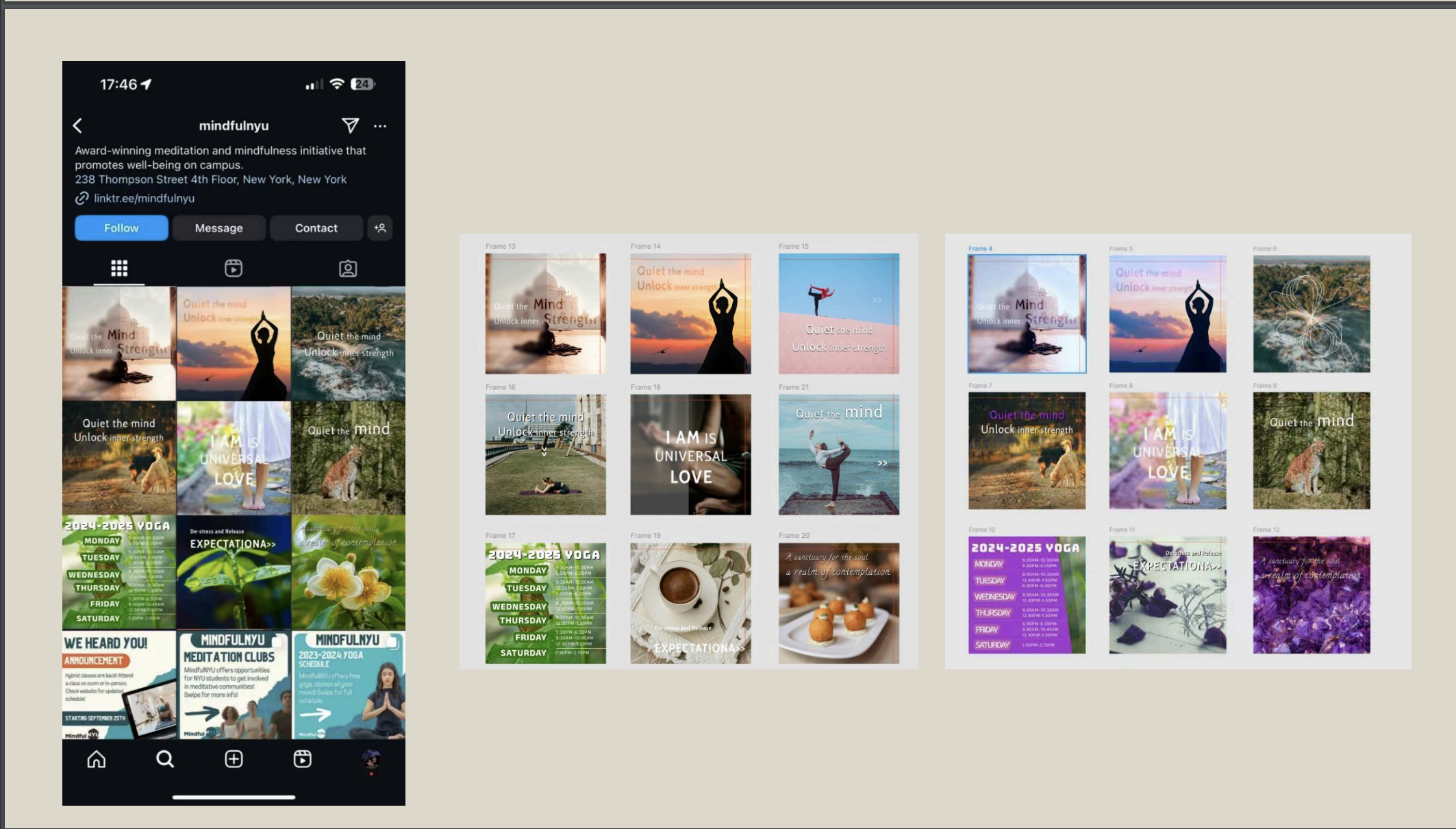
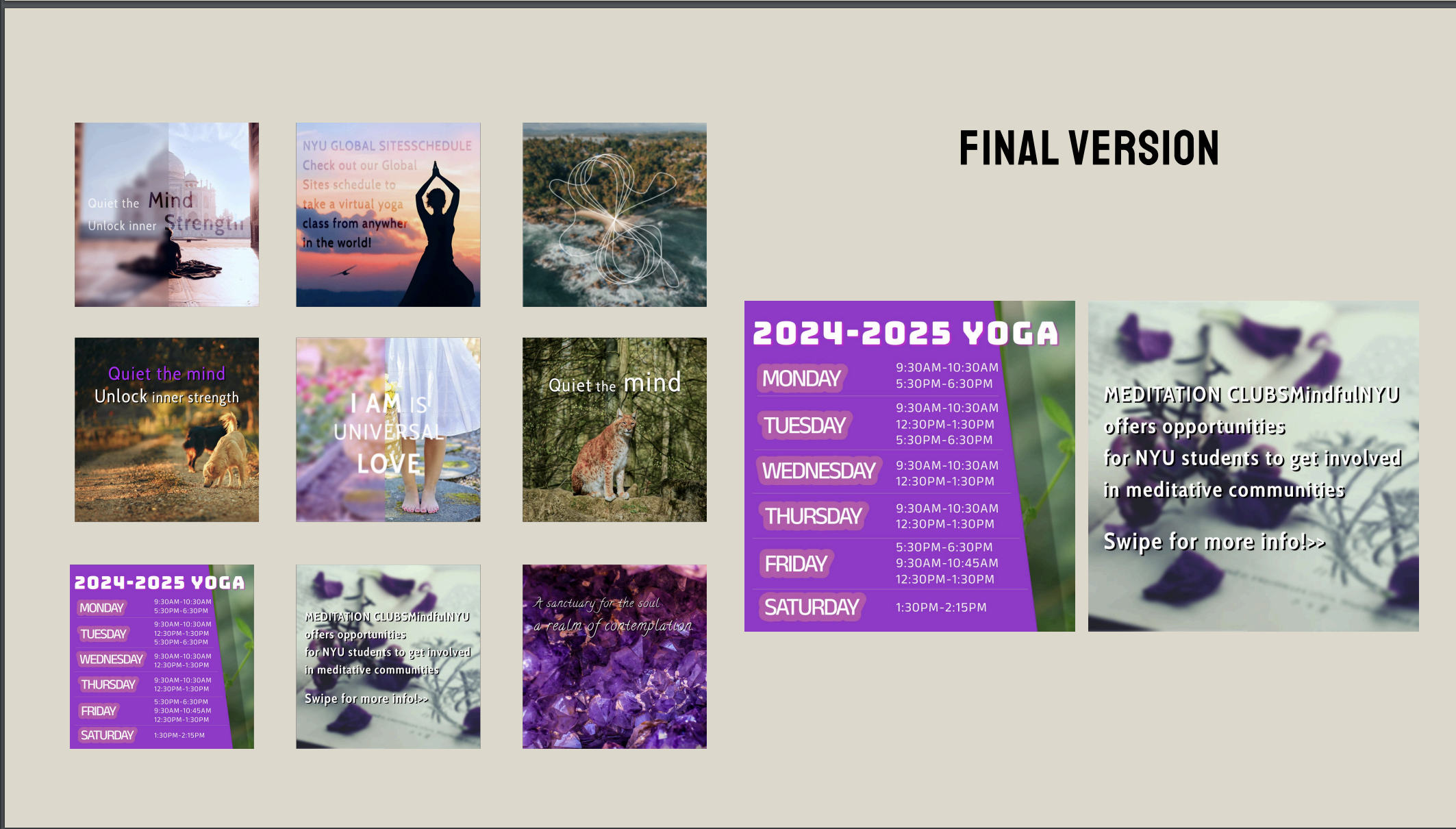
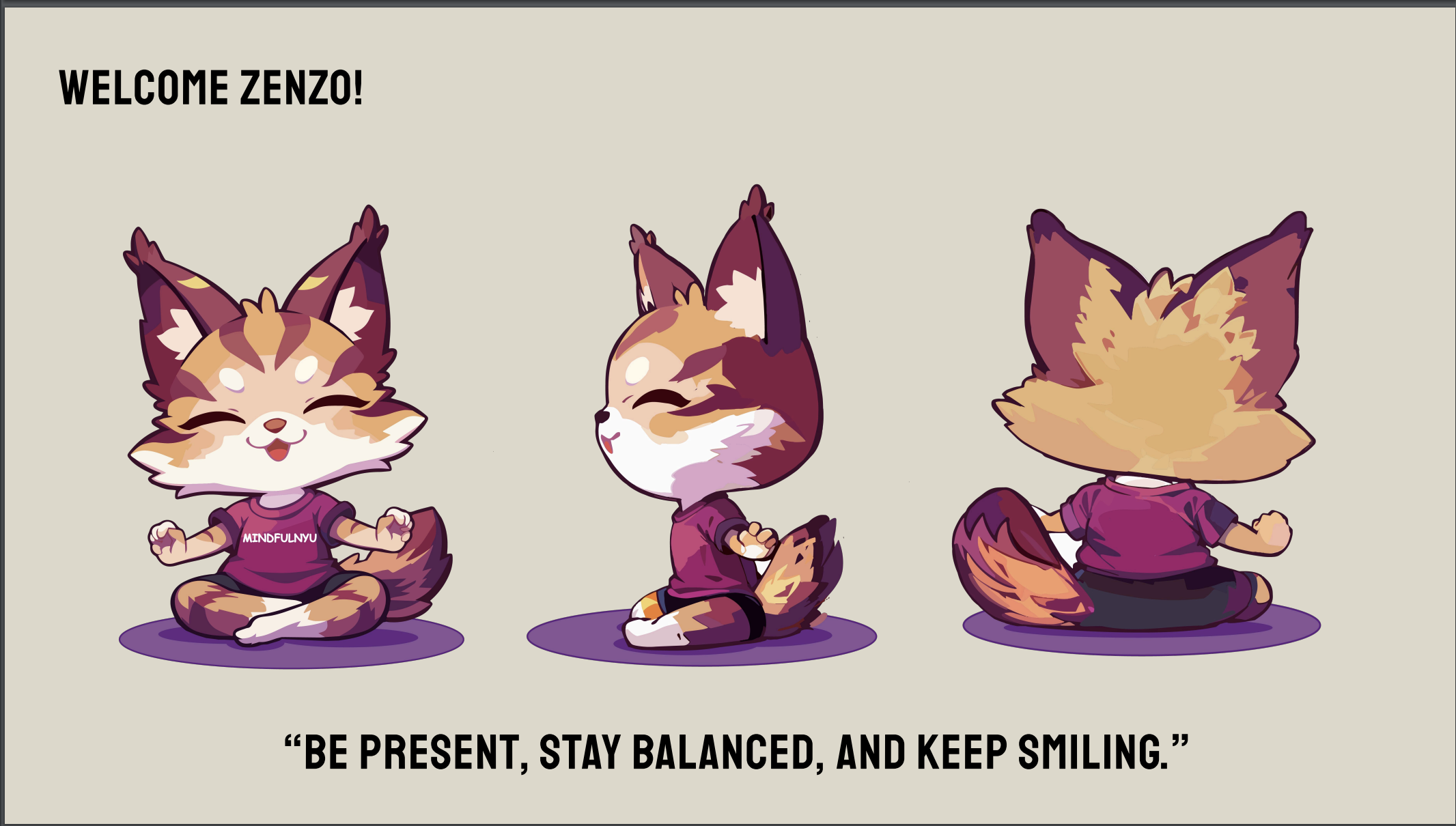
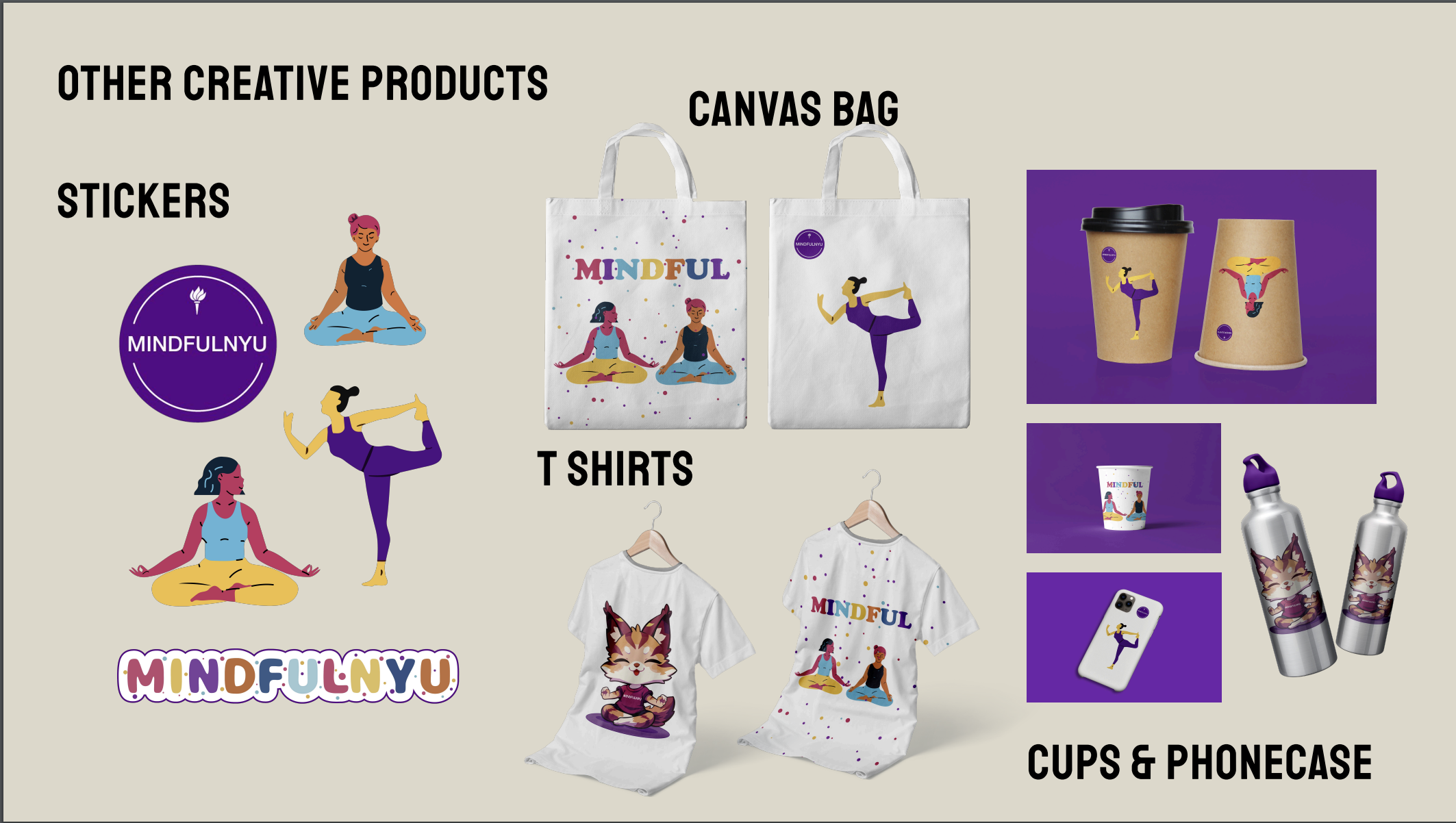
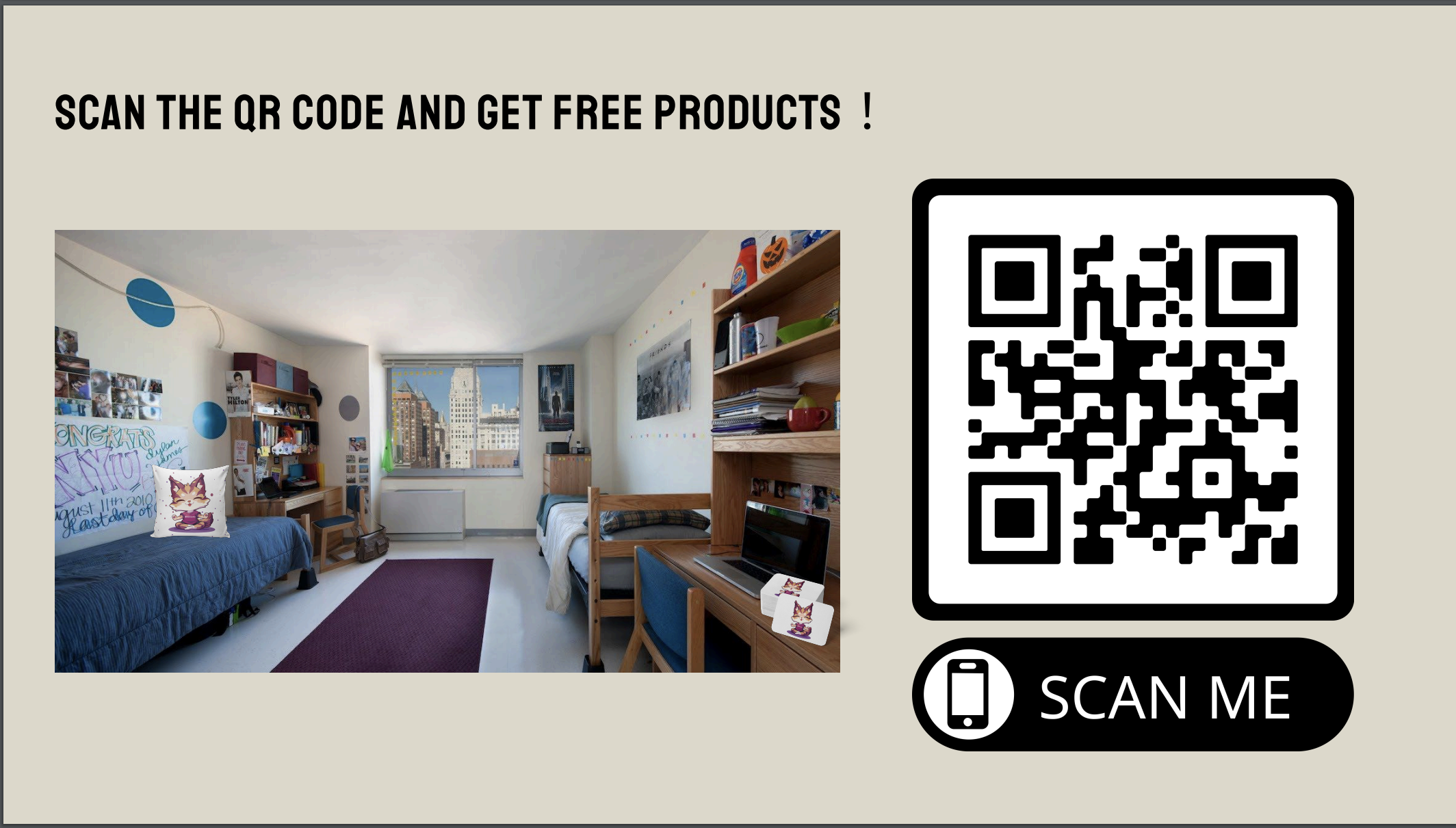
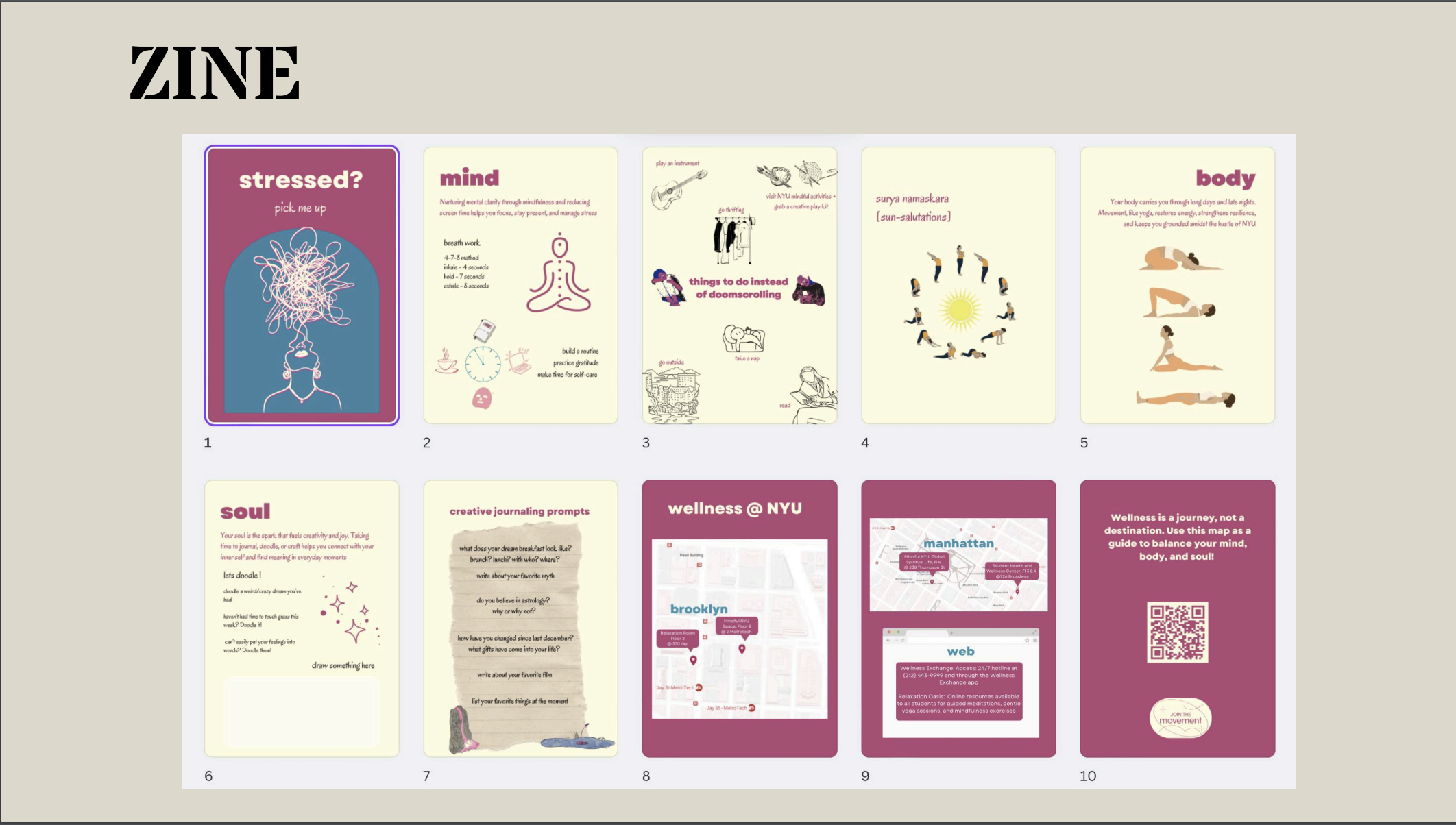
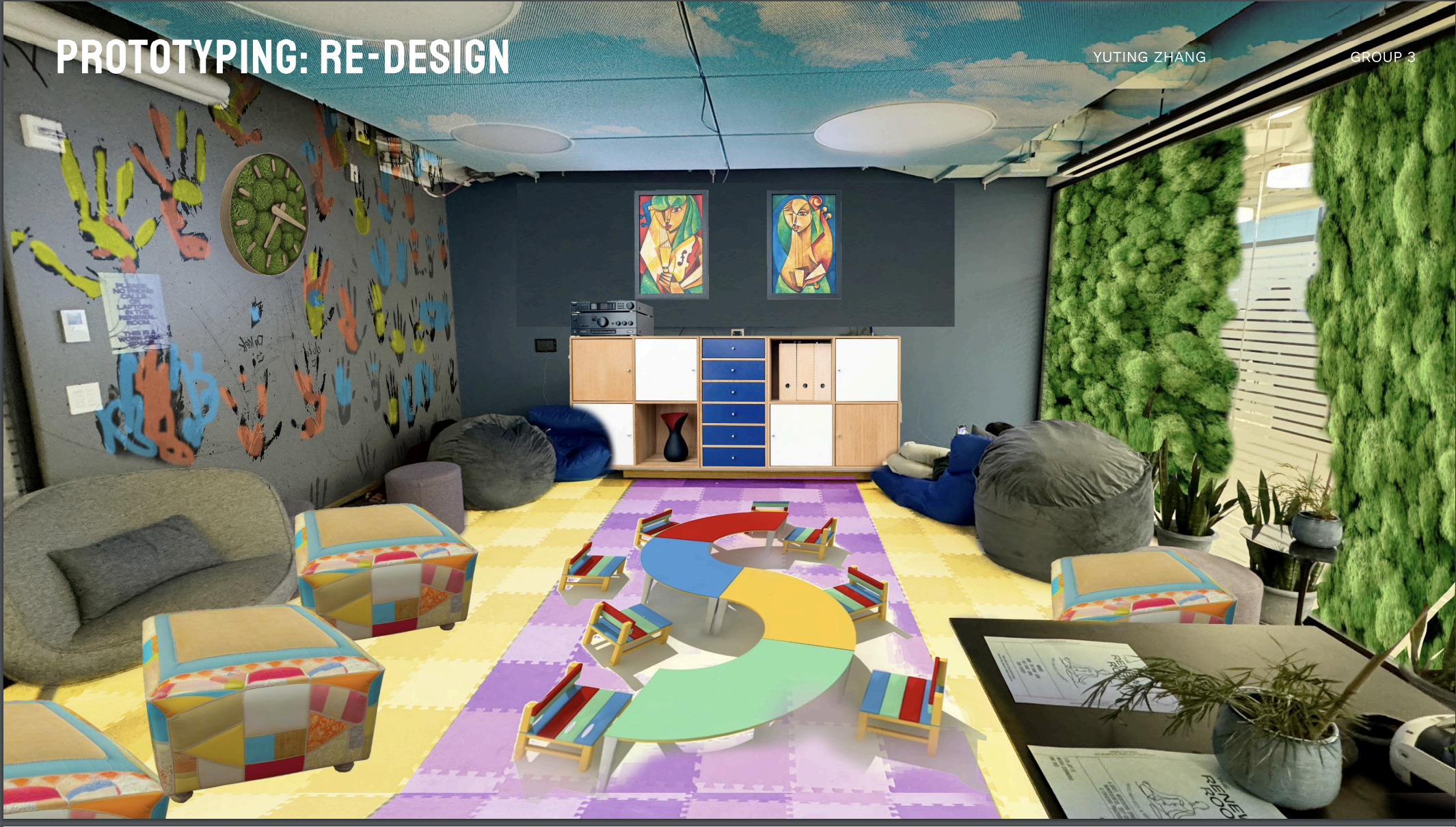
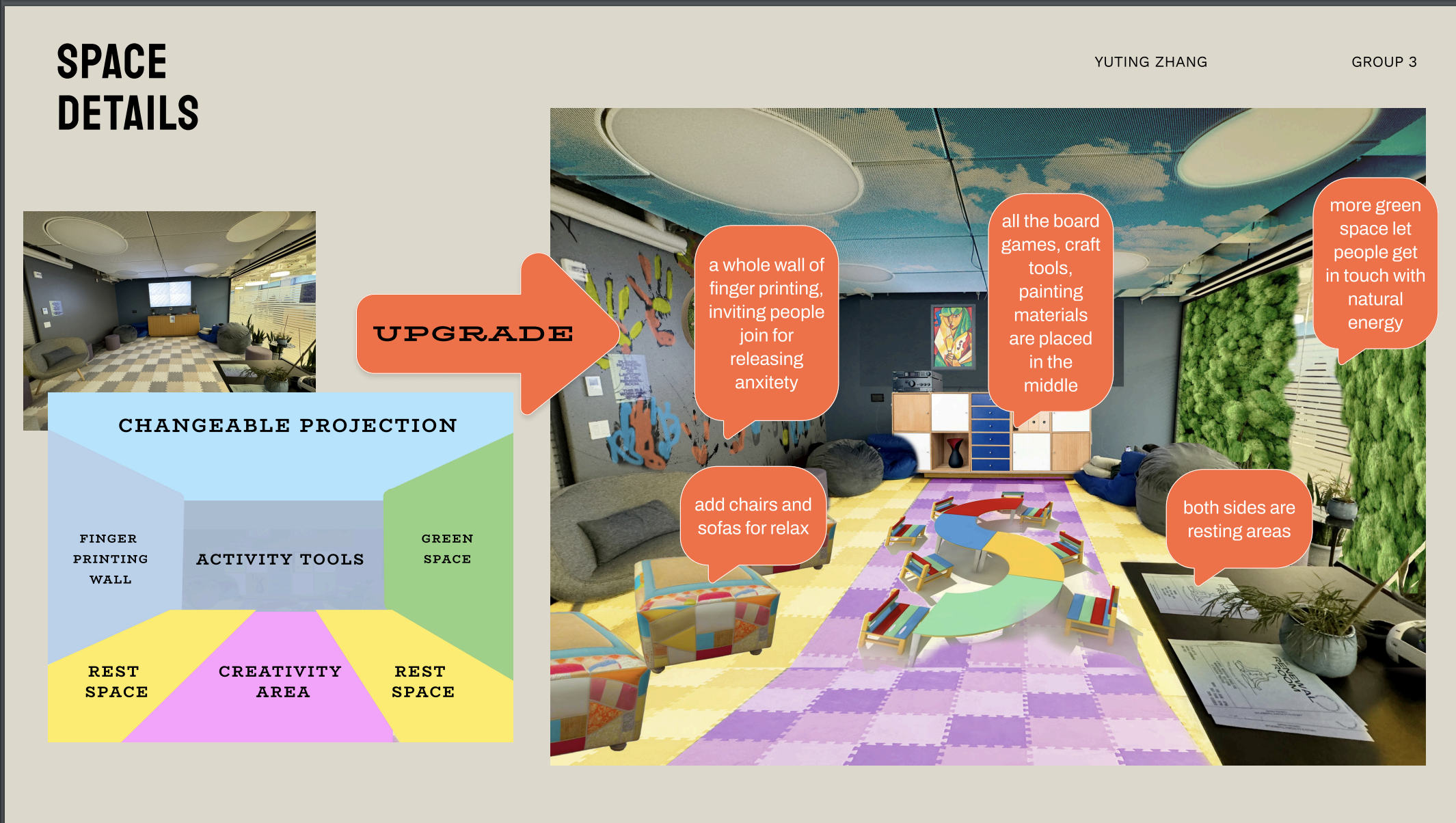
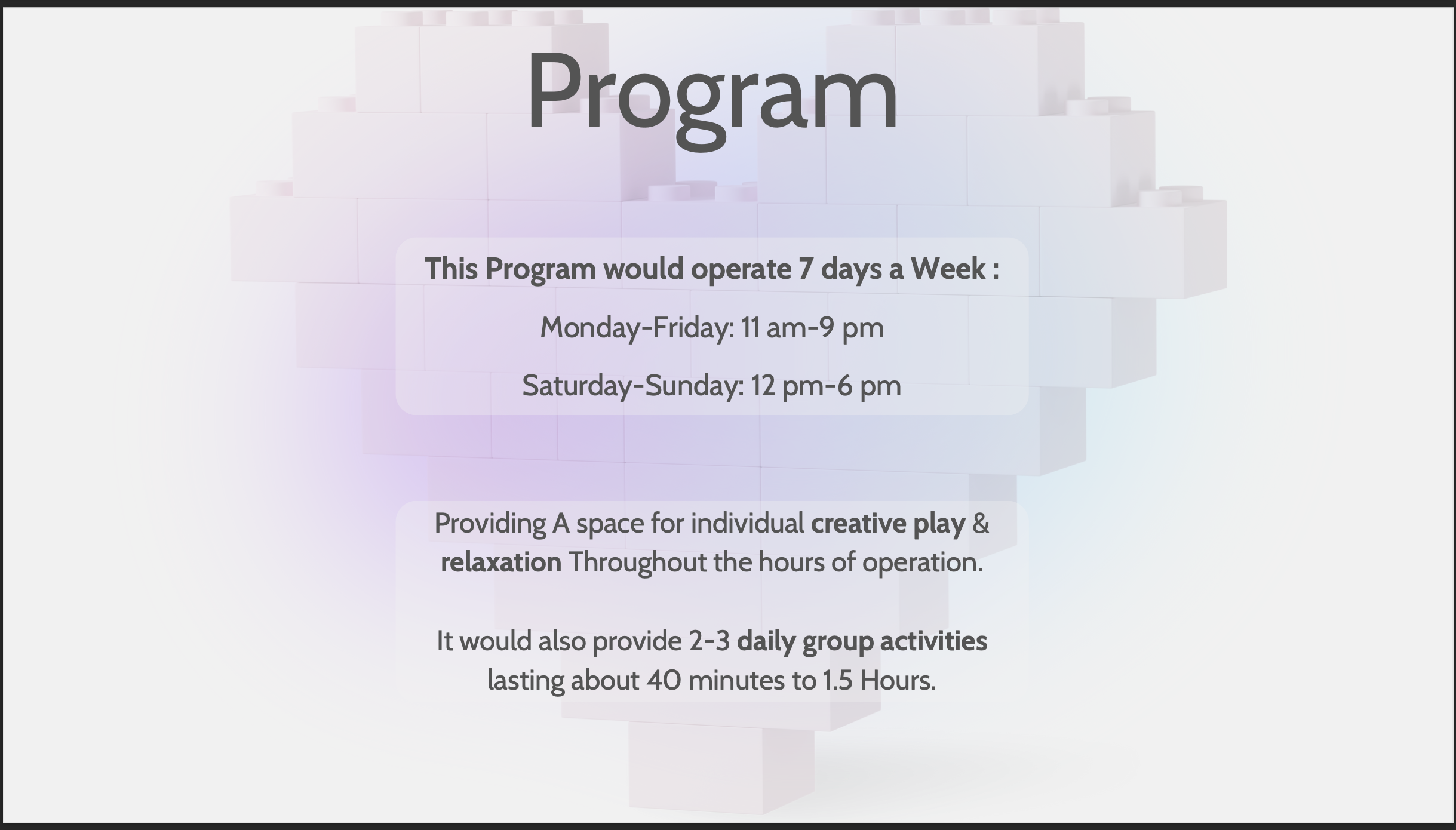
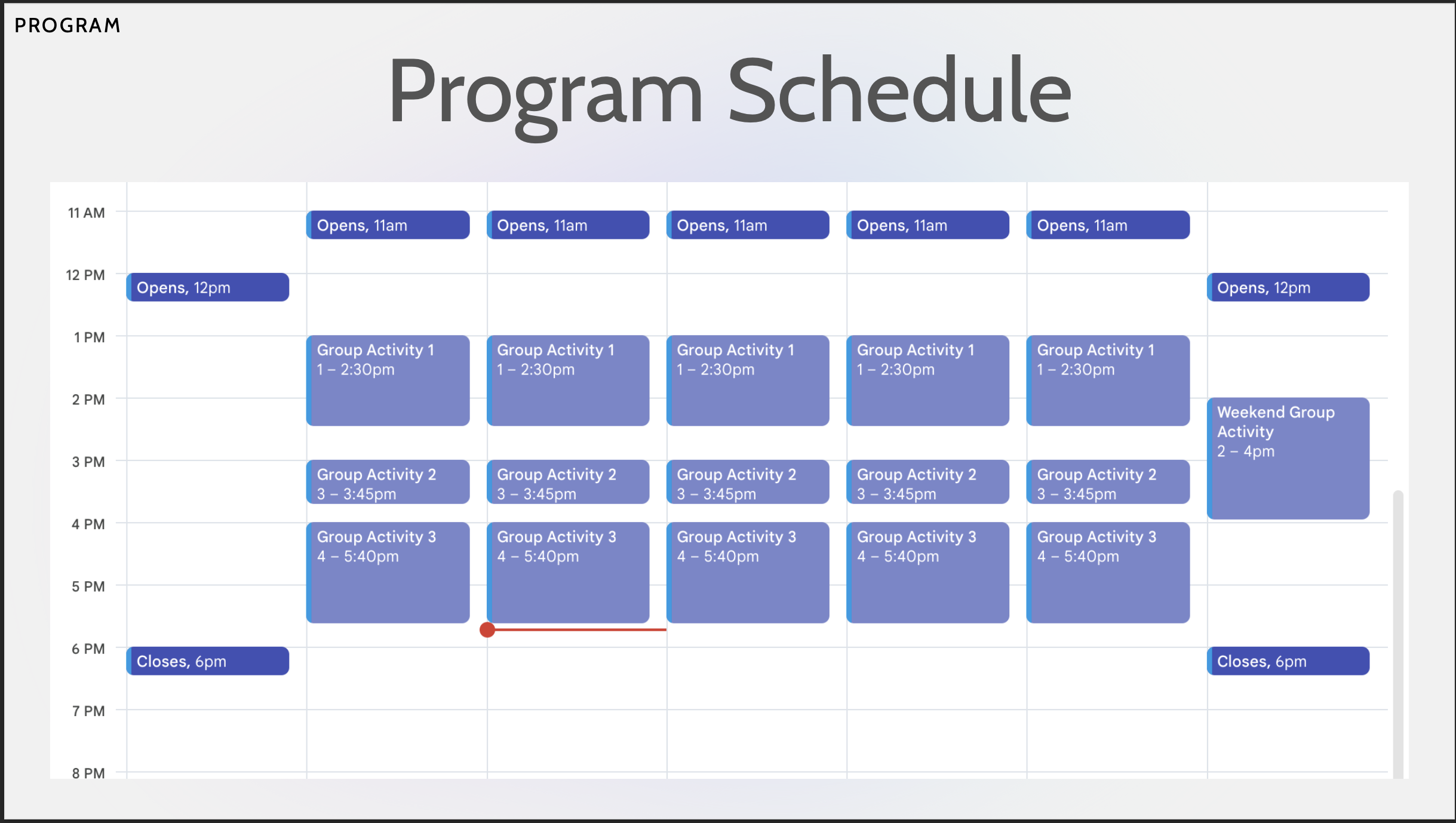
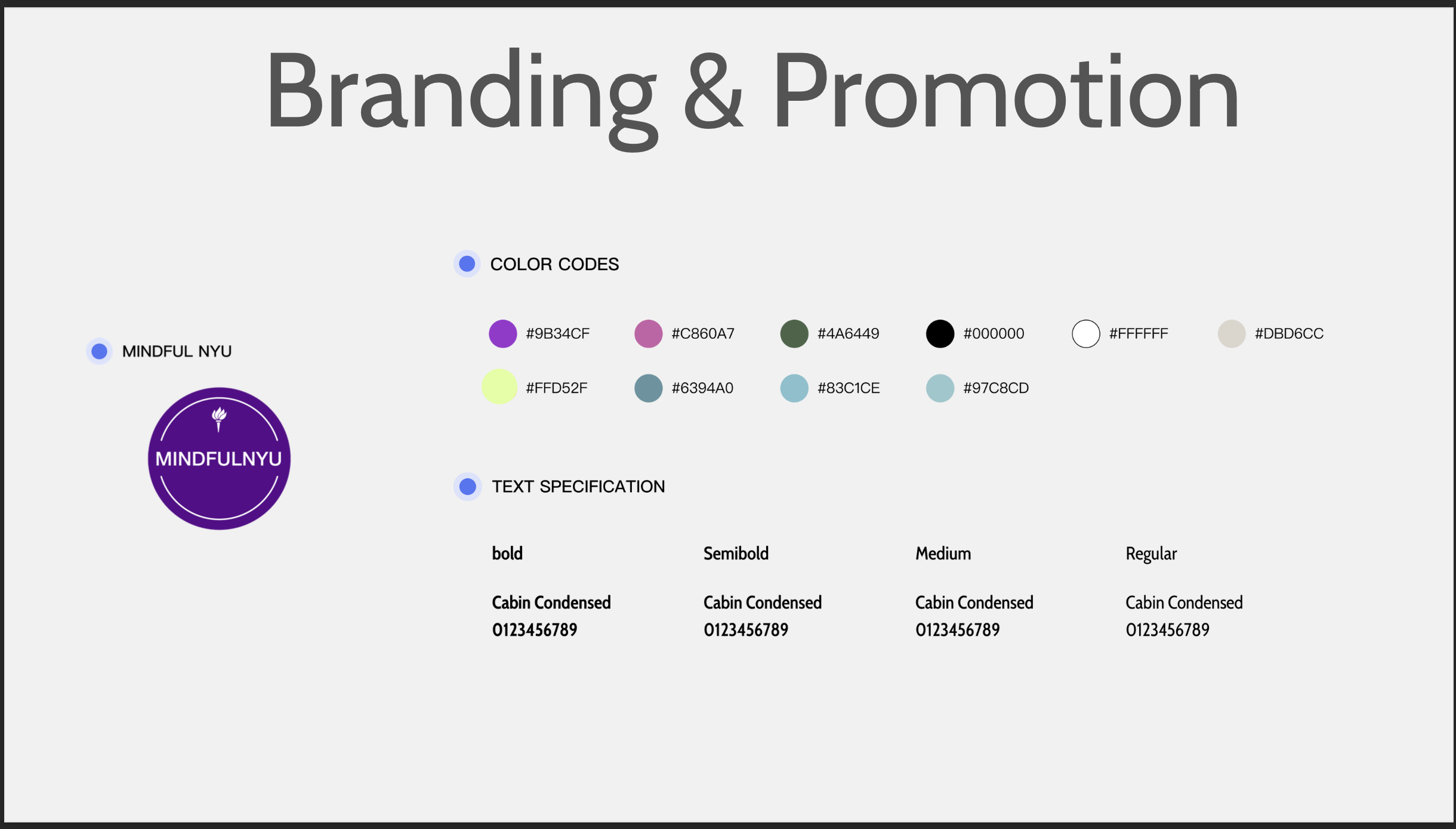
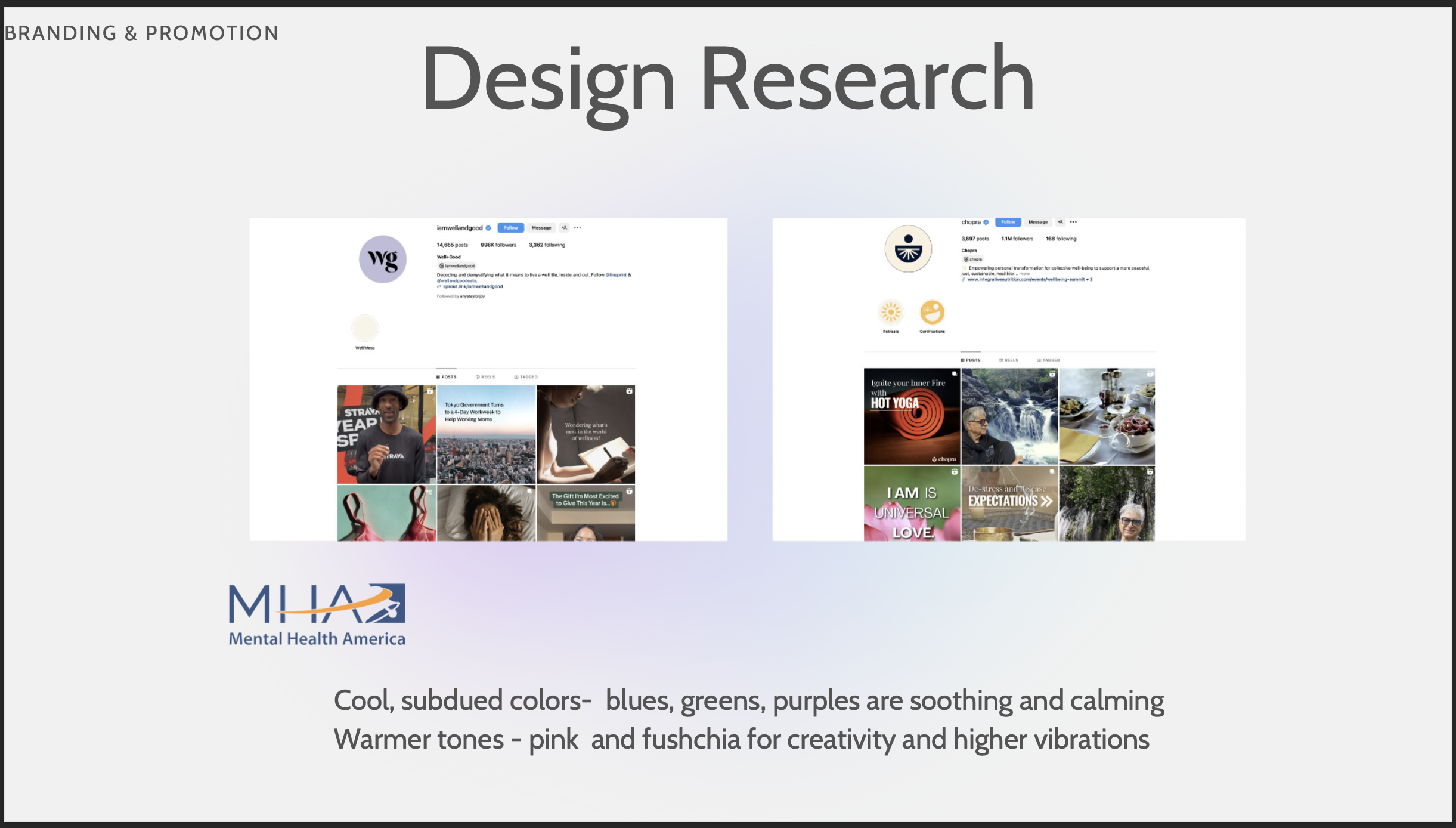
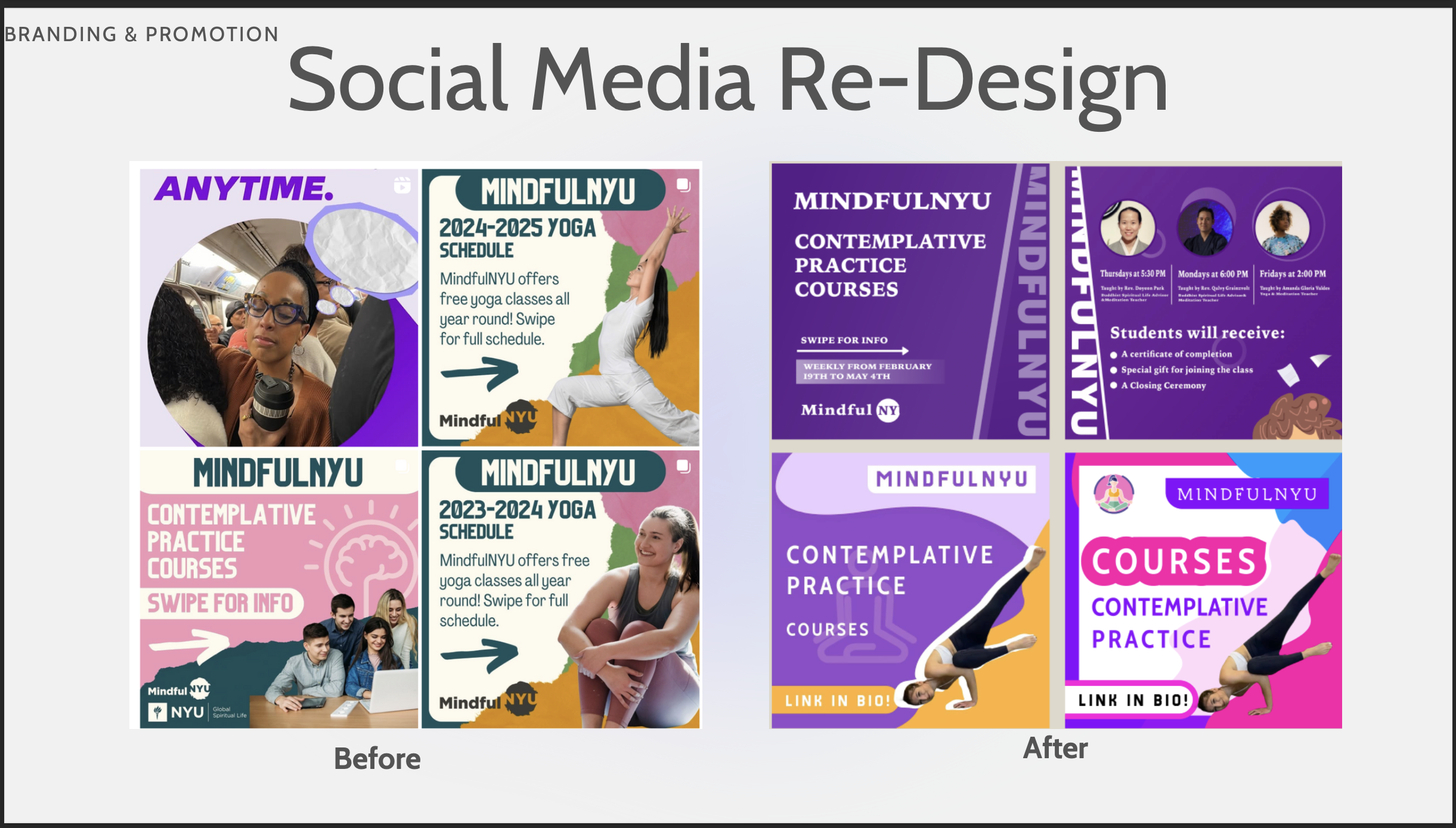
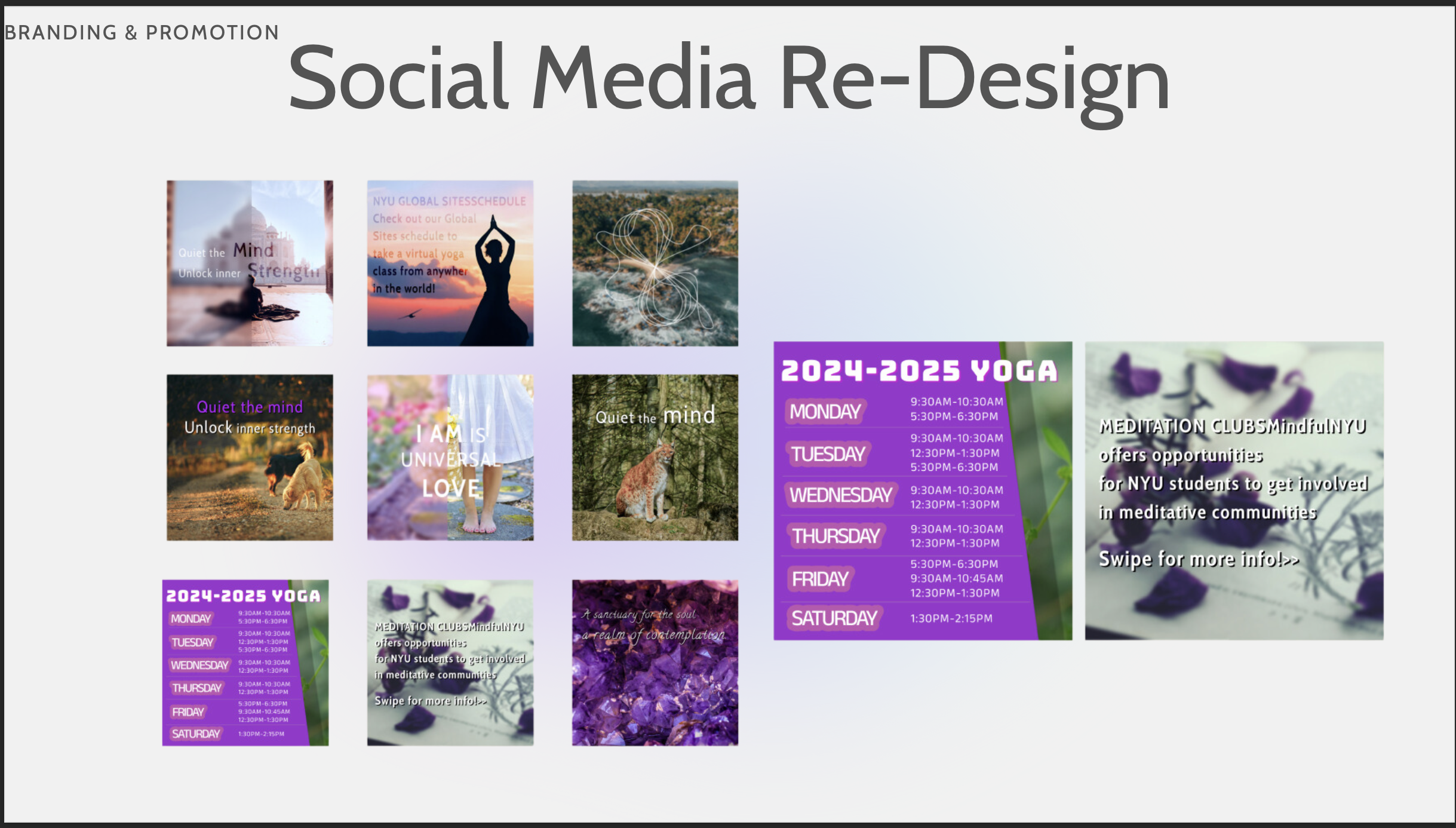
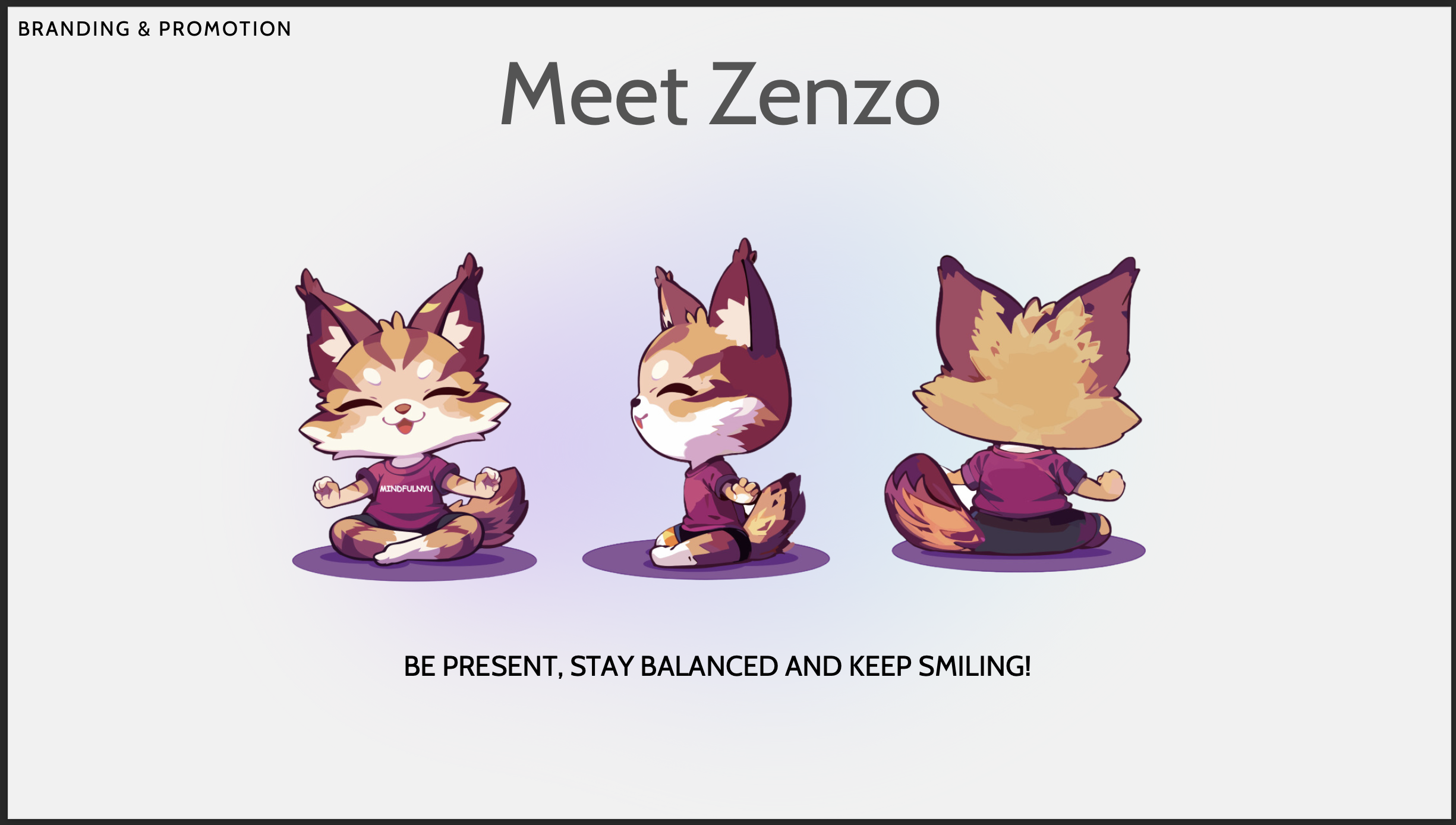
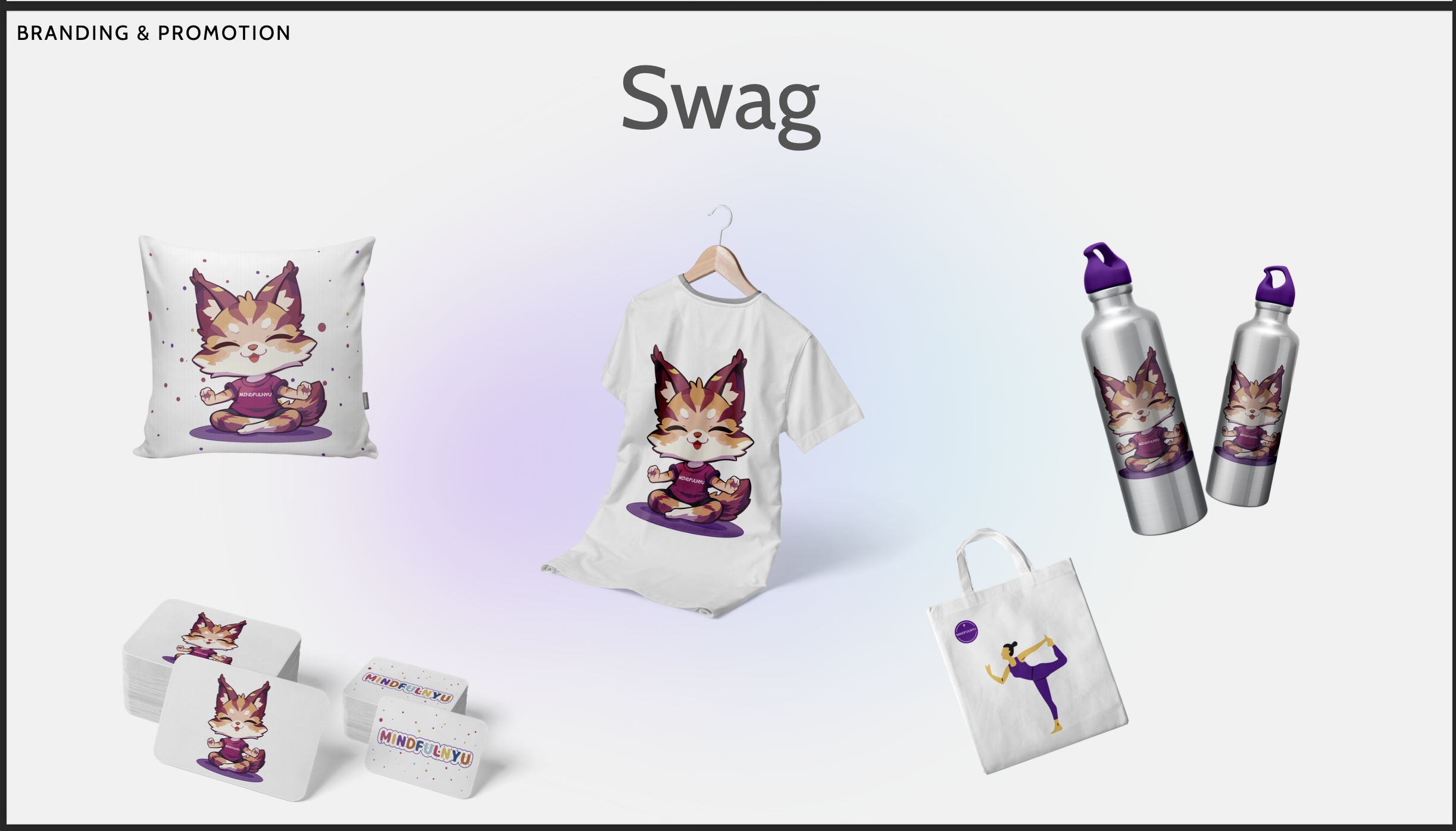
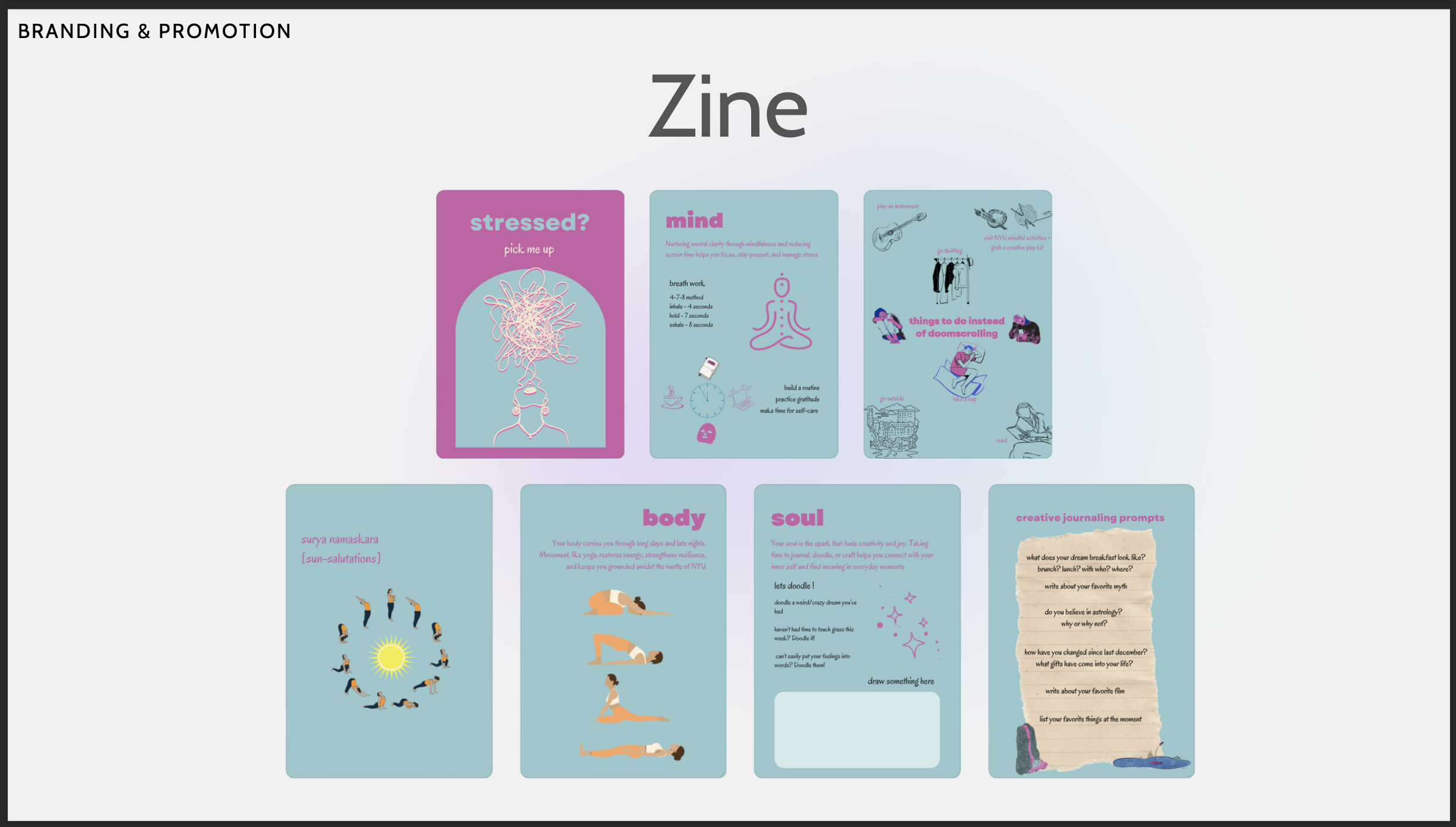
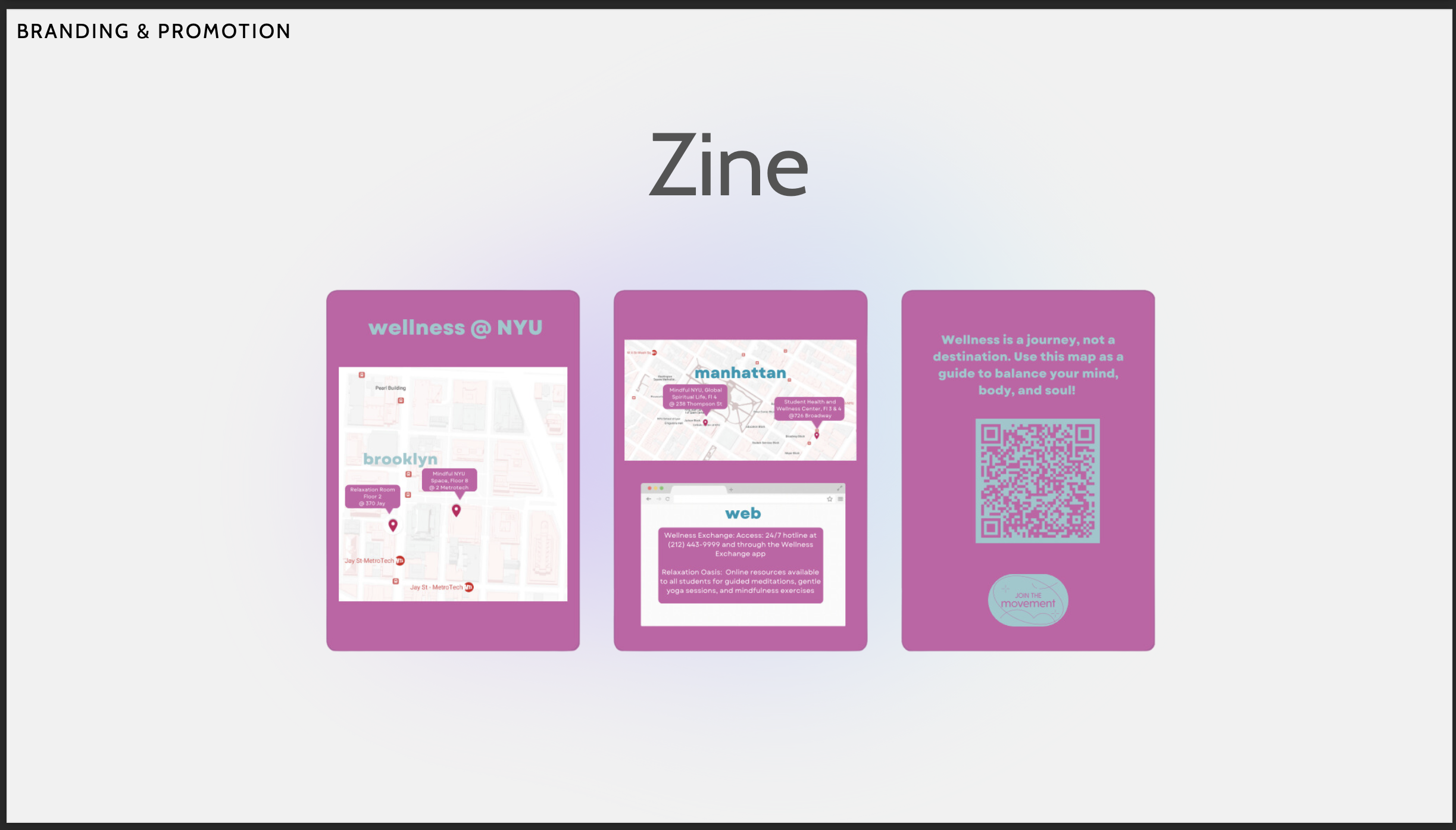
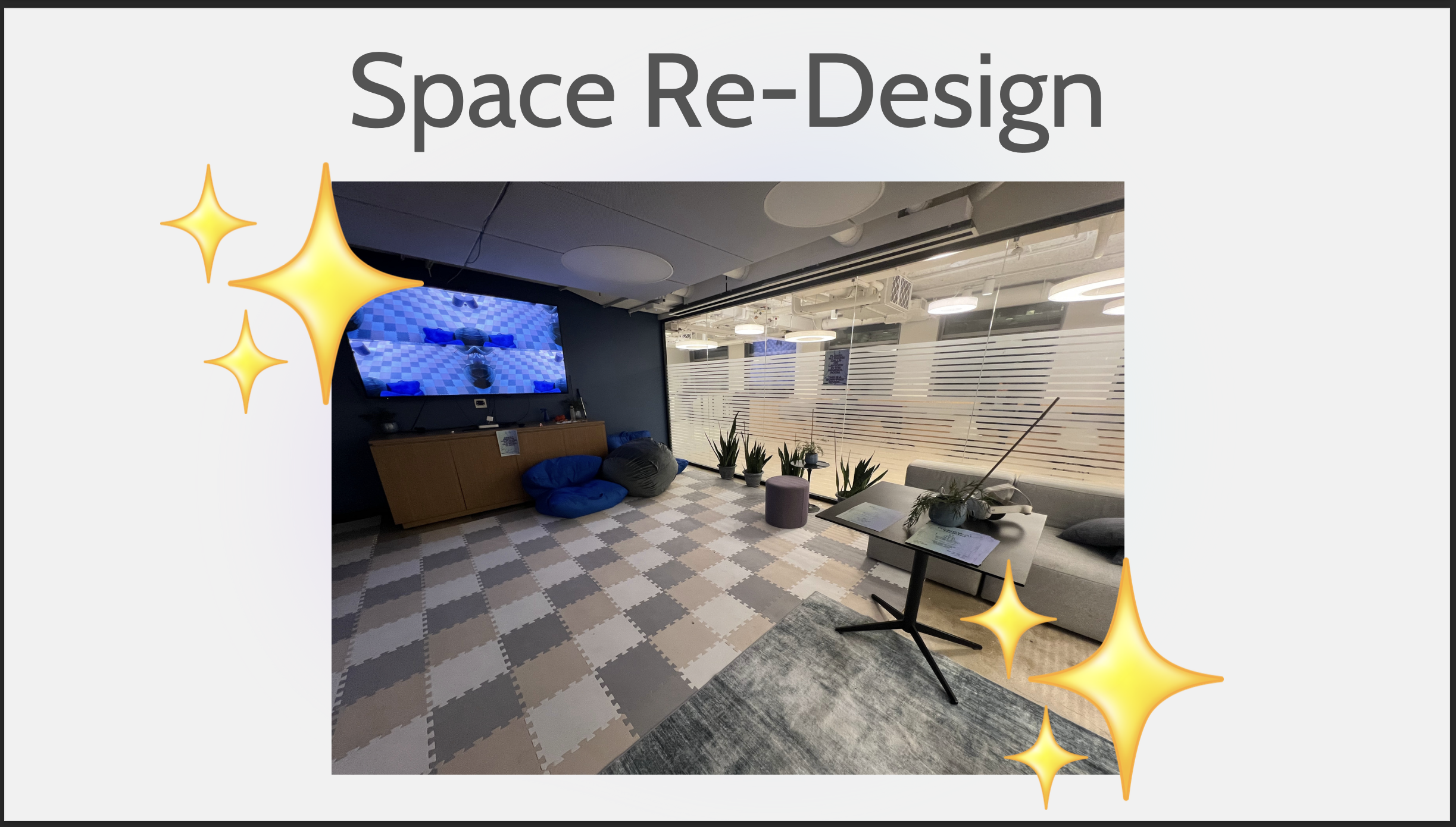
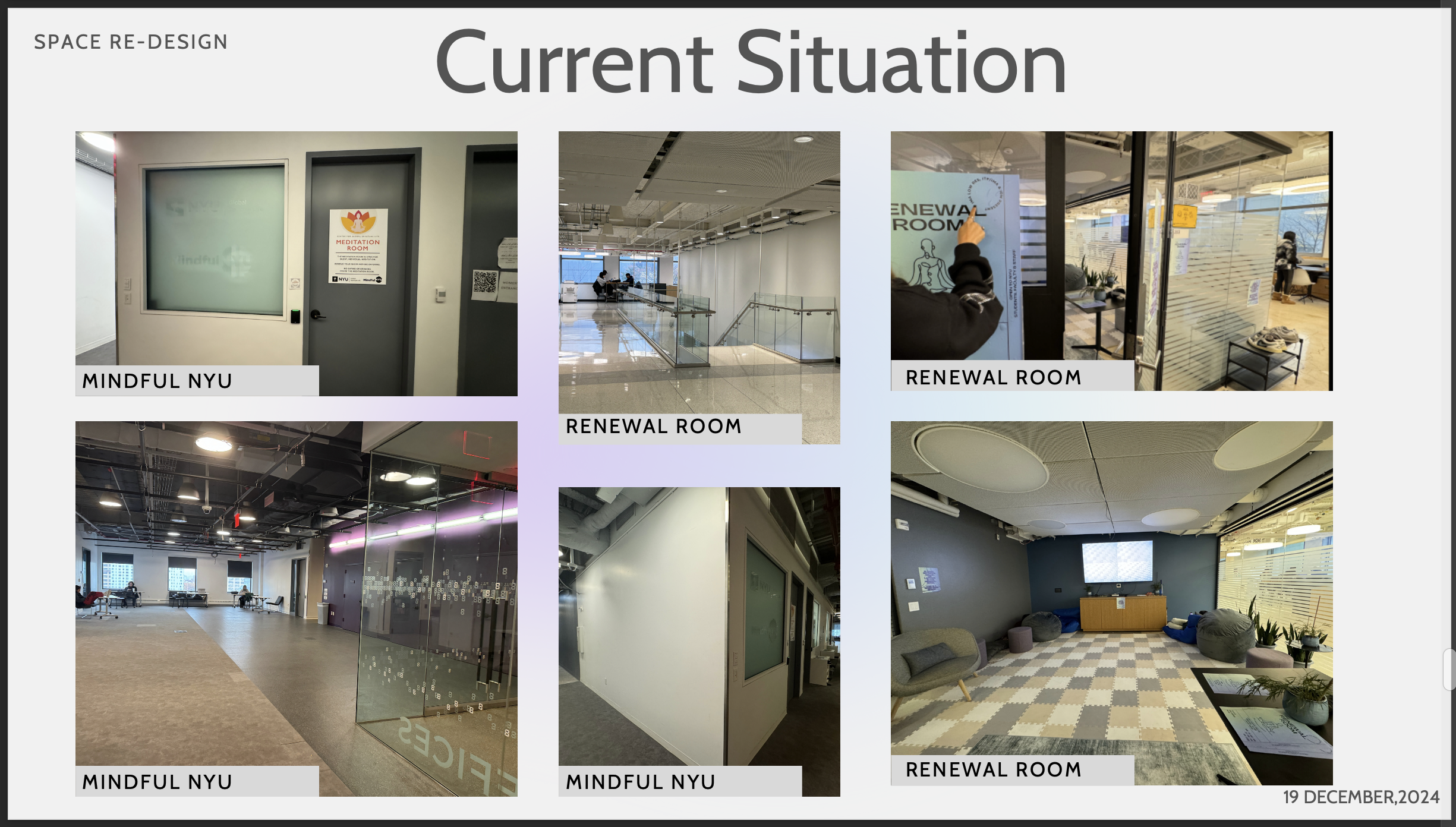
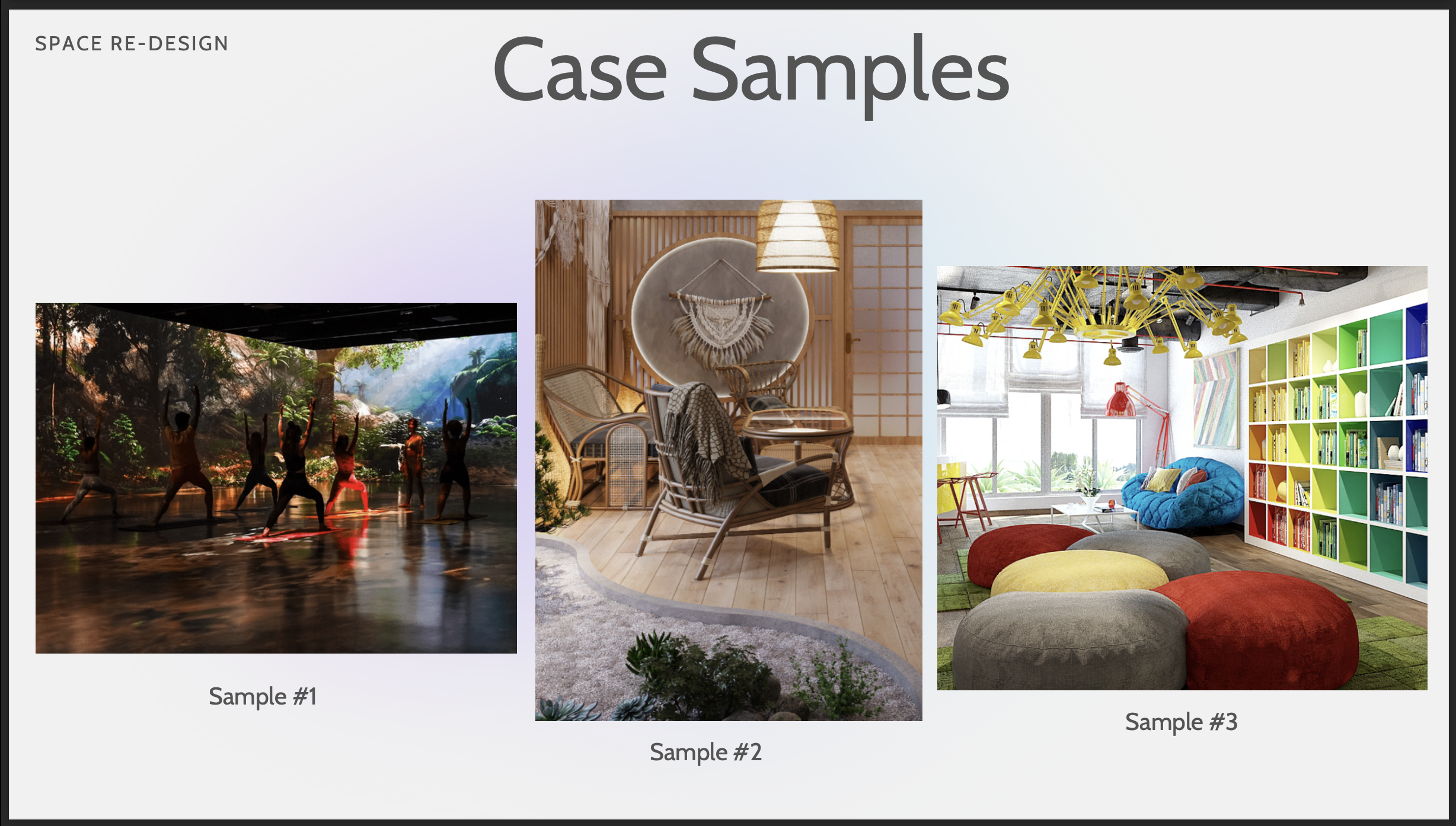
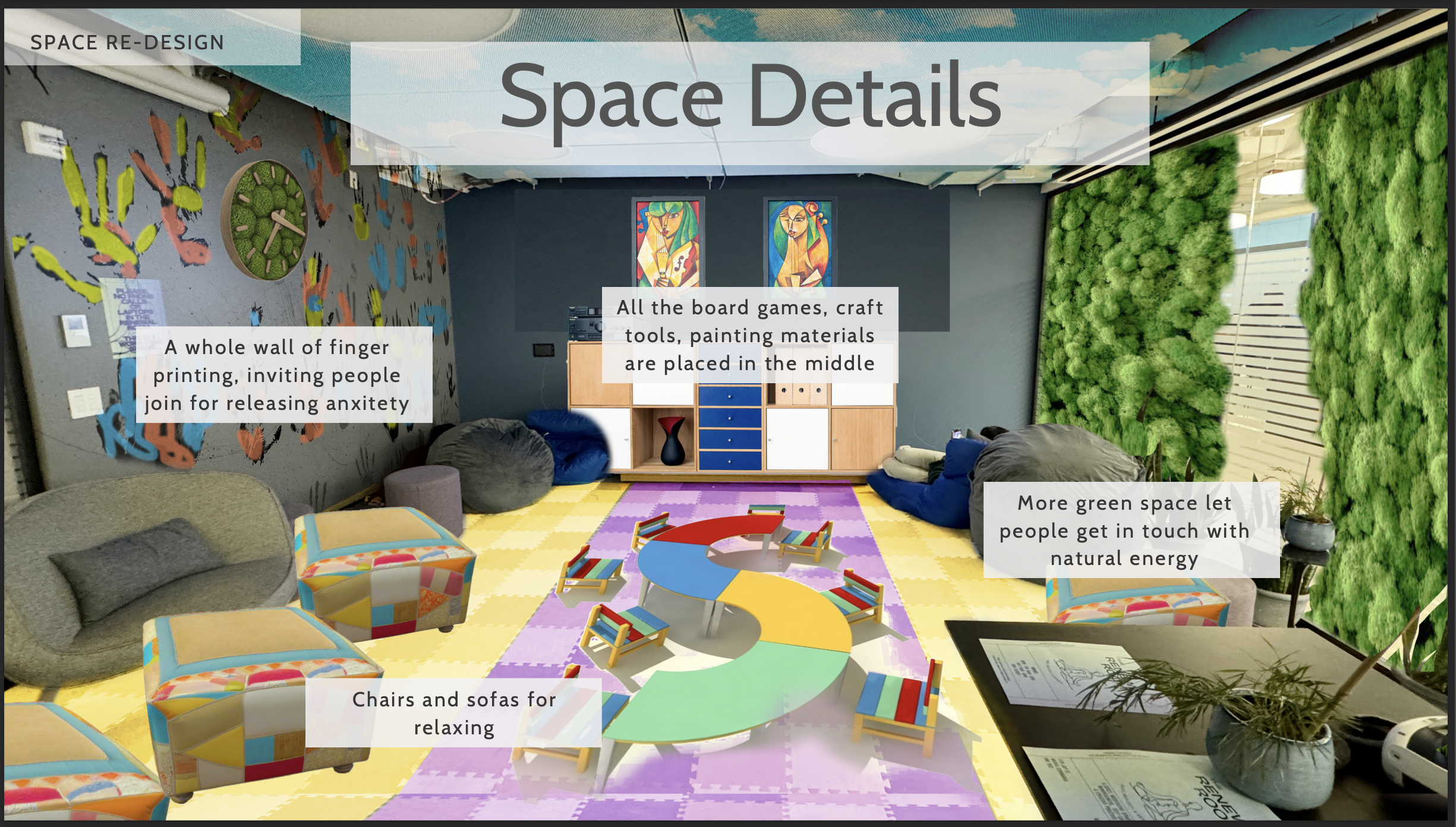
Our wellness survey received 67 responses, with the results showing that many of the students at NYU Tandon were unaware of the wellness programs already in place, as well as expressing that they had little room in their schedules to attend recreational or wellness-focused events. To solve the problem of students having limited time and a pack schedule, our team prototyped a take-home kit, in which students would be able to engage in screen-less creative play through various activities provided in the kit such as watercolor, origami, clay and doodling. We also decided to develop a program schedule and activity plan containing both individual and group activities. We took a look at ways we could improve or re-design spaces that our meant for wellness within Tandon and did a 3D rendering of what that may look like. We also began developing our brand by re-designing mindful NYU’s instagram page, developing various forms of ‘swag’ and even made a mascot, Zenzo, to help promote our program and awareness of NYU’s wellness resources. Another form of promoting awareness of NYU wellness resources as well as promoting wellness practices was the zine. Now that we had prototyped a program, a space, and merchandise, we were ready to run this by a focus group who would be testing our take-home kits and a mock group activity. While it was a bit difficult to find a good amount of people for this focus group, we nonetheless got helpful data. In our group we had a collaborative doodle sessions for approximately 20 minutes in which the group free drew on a shared piece of paper this was followed by each focus group participant receiving a take-home kit to test on their own time. We sent out a survey following the program and take-home kit testing to gather data on how effective our solutions were. From our survey results, we saw the focus group benefitted from our group activity and enjoyed engaging with the tactile play of the take-home kit. Participants expressed how they would like some more sensory engaging elements such as fidget toys or stress balls.
Wellness Survey Results


Focus Group

Figma Deck







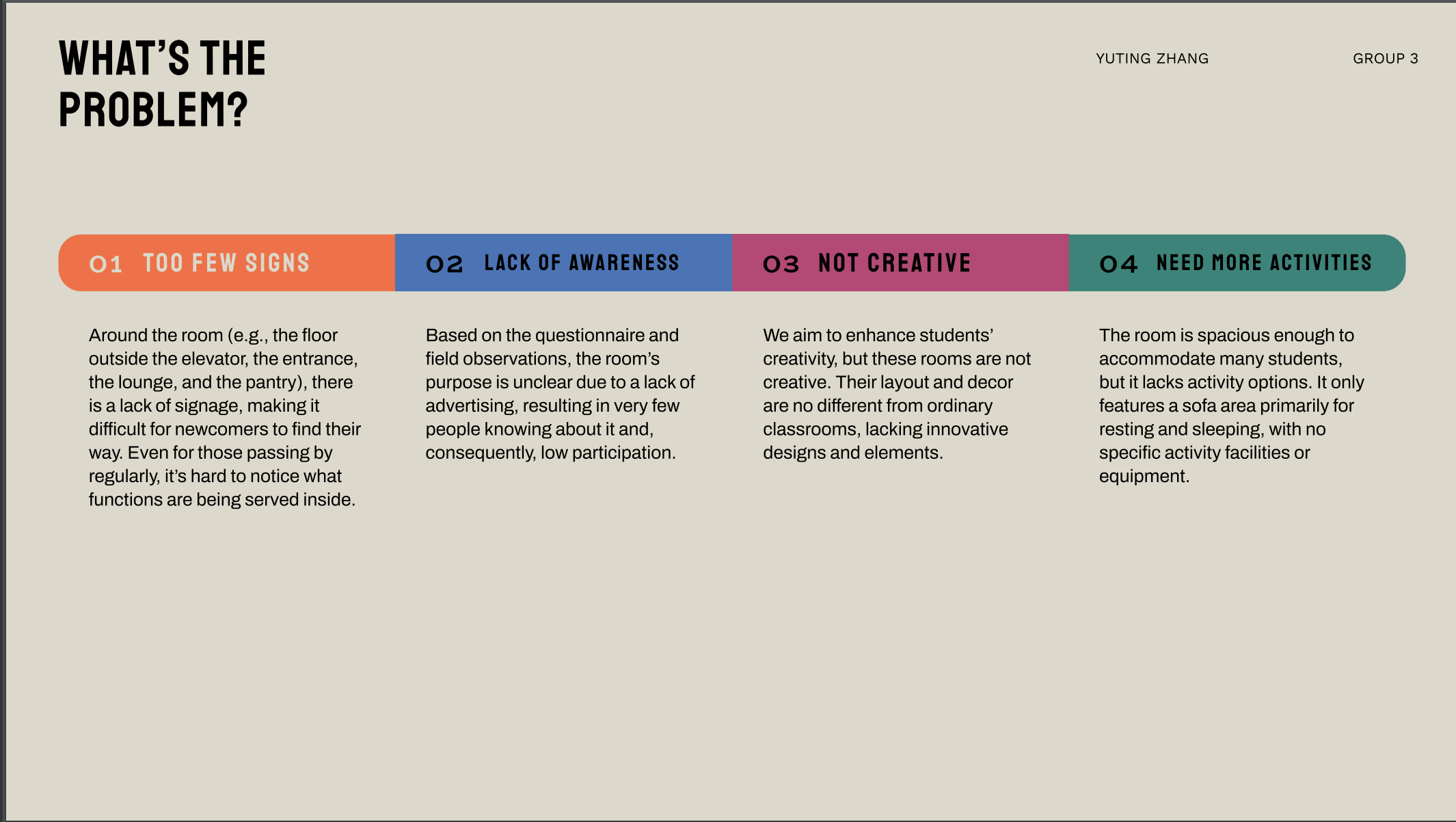
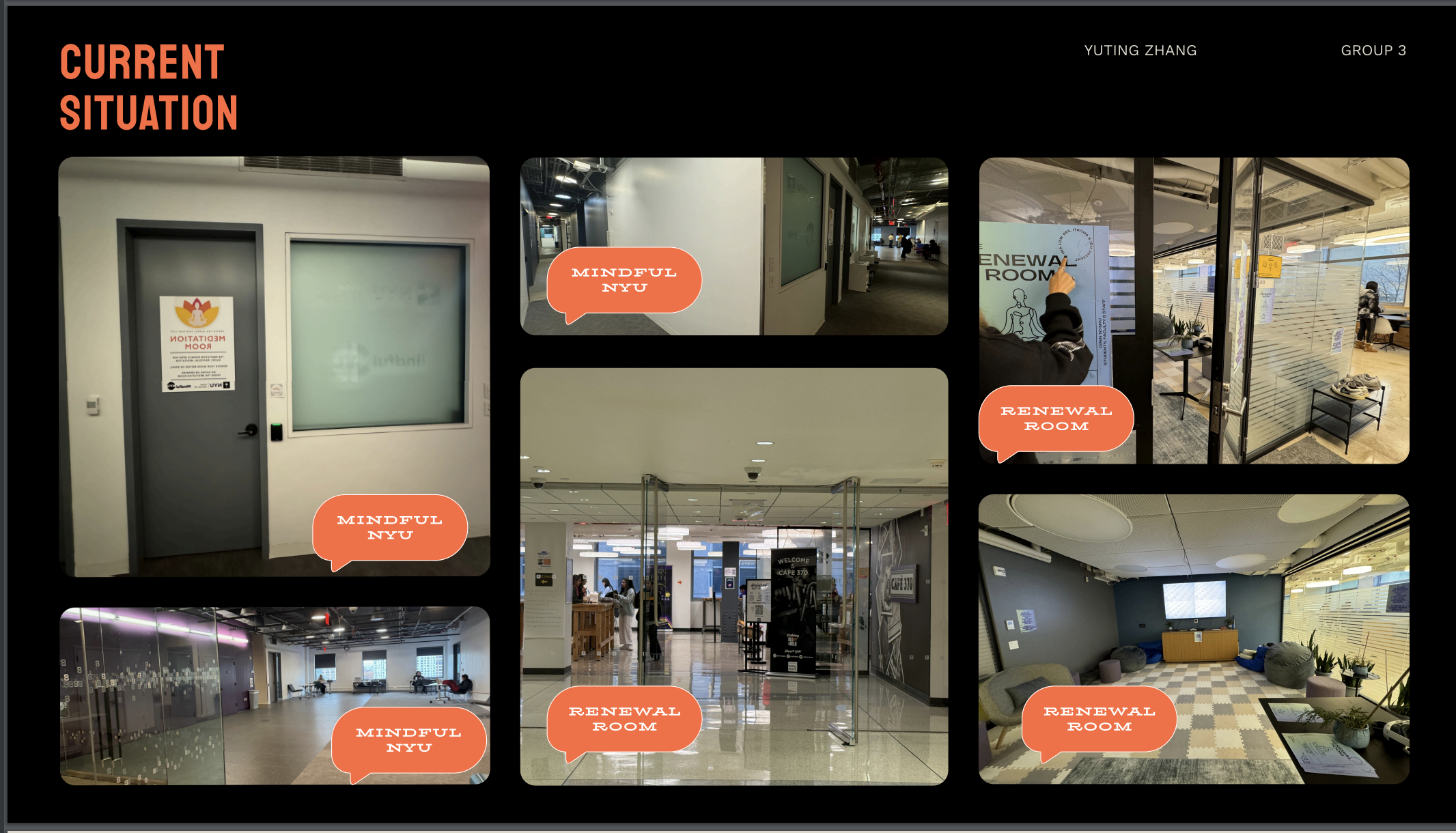
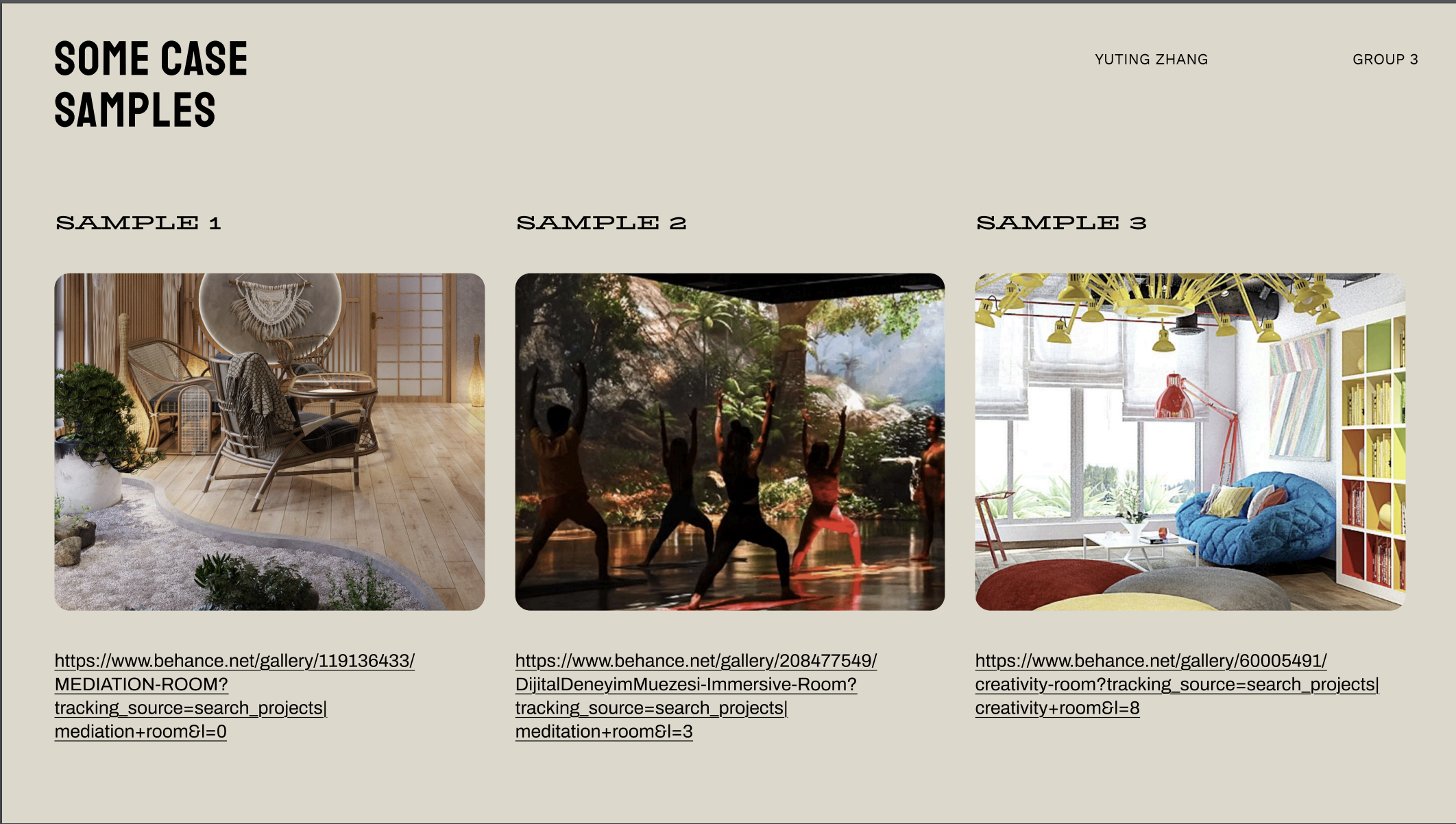
Final Presentation




Contributions
Designing initial Figma brain map and stakeholder map.
Developing interview and survey questions.
Interviewing students.
Creating flyers for the wellness survey and promoting the survey.
Participated in the Zoom meeting with Mindful NYU.
Developed the prototype for the program schedule, structure, and activities.
Helped design & prototyped the take-home kit and provided supplies.
Held focus group for testing group activities and the take-home kit.
Created survey for focus-group participants.
Helped design the final draft of the presentation.
Presented on the program, take-home kit, and focus group sections of the final presentation.
 Ideation and Prototyping: A Reflection on Creation and Design