For this design and prototyping exercise, I thought about prototyping a bird following a discussion with a friend about her pet cockatiels. I designed a prototype of a parrot called the Lilacine Amazon parrot. These parrots inhabit various tropical rainforests within six areas in south Ecuador1. They hunt for food in pairs during the day and communally roost in the tree-tops at night2. Unfortunately, they are critically endangered due to deforestation and ecological disruption brought on by agricultural clearing or exploiting the rainforest’s resources3. I was alarmed when, during my research, I read that “A third of all Psittaciformes are classified as threatened and over half of all populations are in decline (Berkunsky et al. Reference Berkunsky, Quillfeldt, Brightsmith, Abbud, Aguilar, Alemán-Zelaya and Masello2017)”.4
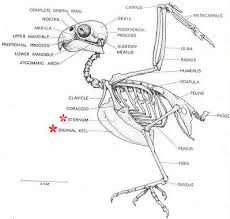
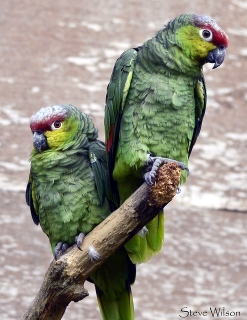
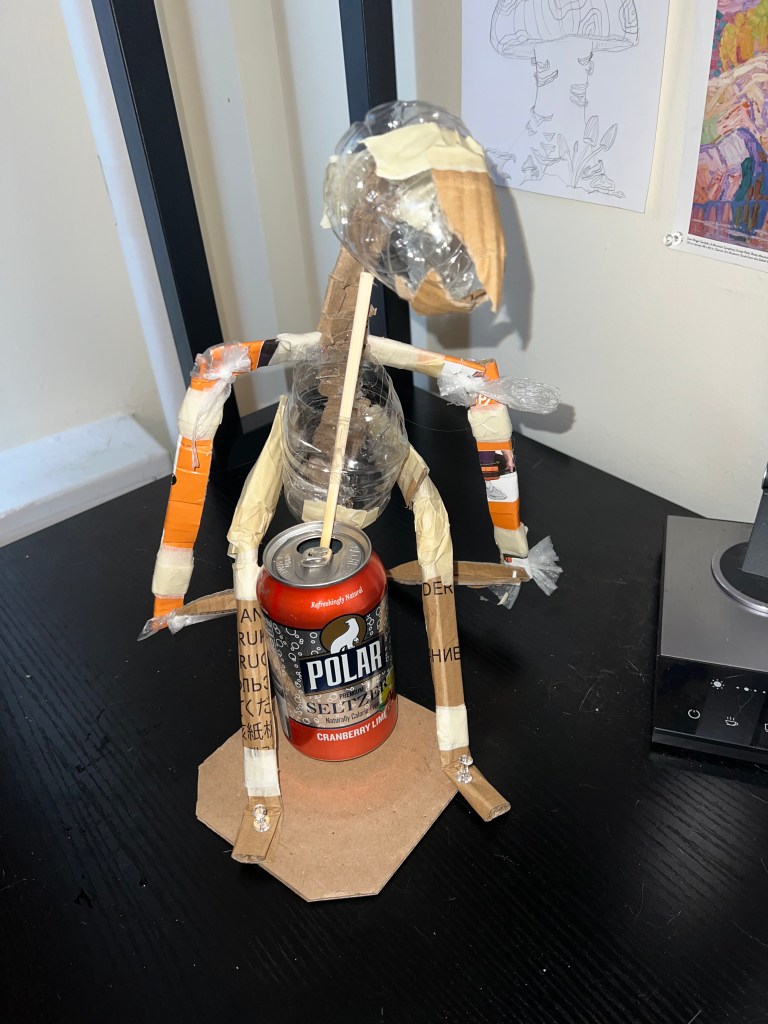
It was challenging to sketch this bird from different angles, and I found myself overthinking various proportions or details. As a solution, I looked up the anatomy of a parrot and used its skeletal anatomy as a reference in both my sketching and my building. Oddly enough, I felt the building phase of this project was more manageable than sketching my ideas, even though I had never crafted a prototype before. I gathered the following materials: cardboard, plastic bags, water bottles, construction paper, old fabric scraps, food wrappers, and paper clips. The first thing I began to build was the spine and rib cage. I used a strip of cardboard and cut slits on the sides and then folded them over each other to form a study but flexible shape. I then took a water bottle and cut the lip and the bottom off. I then began creating my wings by taking cardboard scraps and fastening them with plastic bags to allow for adjustments and movement. I used cardboard scraps for the legs as well, but I secured them to the body by puncturing a hole on each side and fastening it in position using paper clips and a good amount of tape.
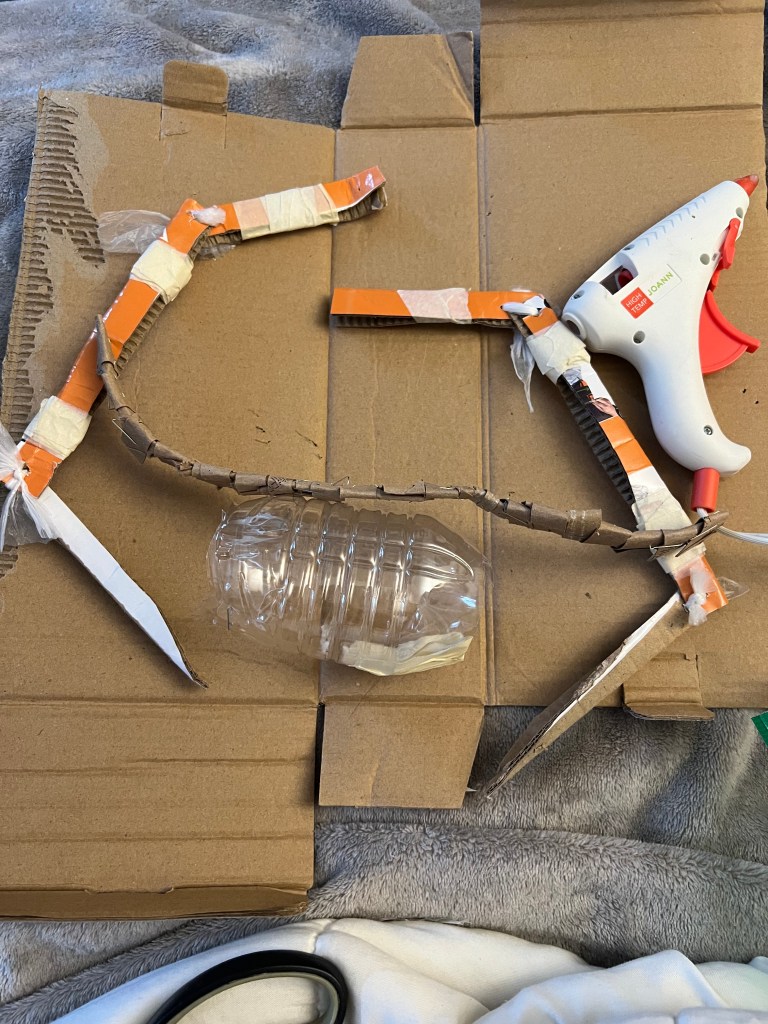
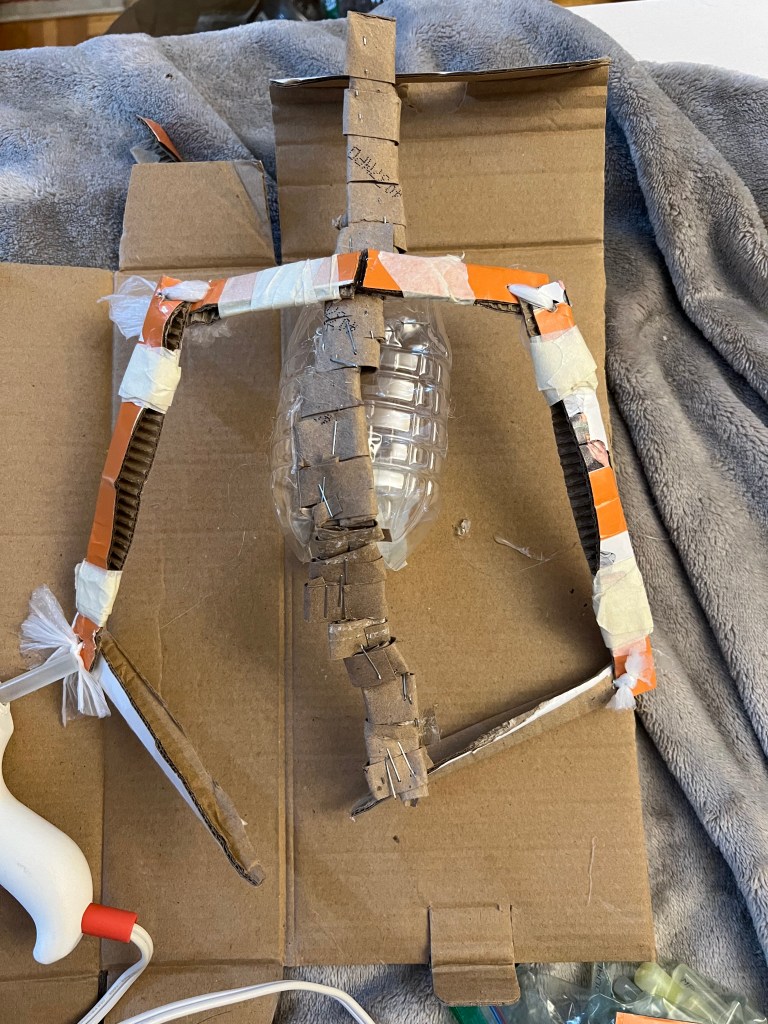
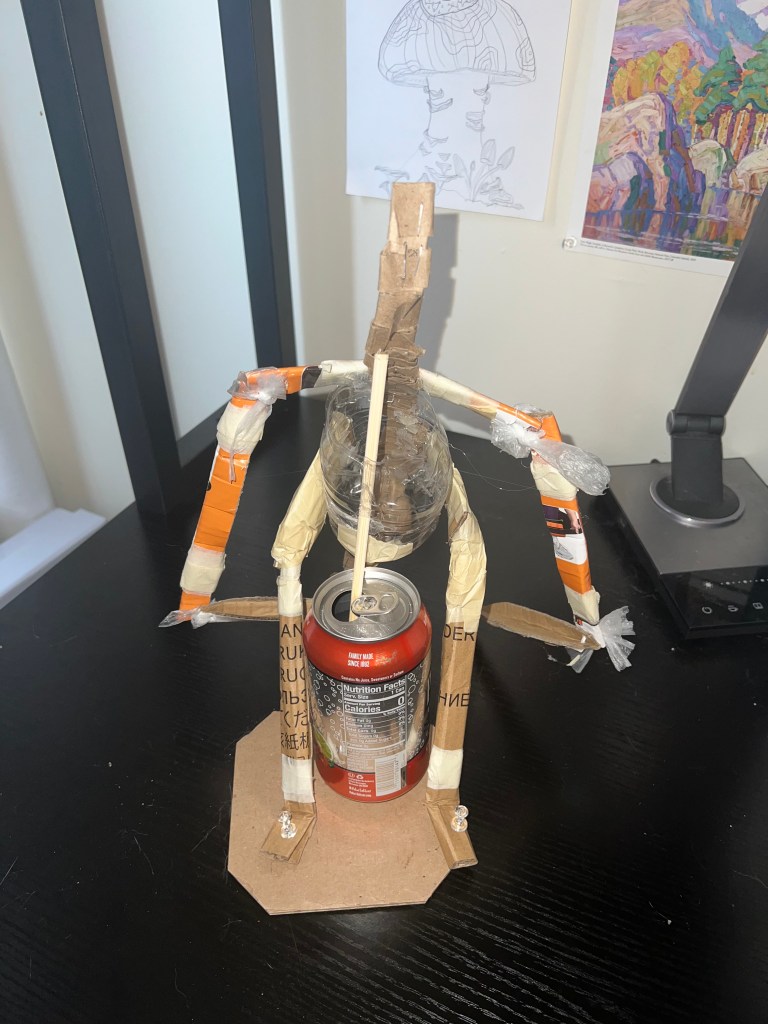
Now that I had crafted the body parts for my parrot, it was time to assemble them. To secure parts in place, I used thumbtacks and hot glue to maintain a hold. I then proceeded to build the head and break using the bottom end of a water bottle and, you guessed it, cardboard scraps. Now that I had a good foundation, I needed to cover my skeleton, and luckily, tucked in the back of my closet was a bag of fabric scraps from an old DIY project. Using colored tape and fabric scraps, I glued around my frame, making mental notes of where I would add and arrange its ‘feathers’. Once I added the fabric, I was concerned because my prototype didn’t resemble a parrot. I almost didn’t want to continue because I worried I would ruin any progress I made. I had a true “trust the process” moment as I began to create feathers using green and yellow construction paper, food wrappers, and the box from a six-pack of seltzer water. I started with the tail and the legs and left the wings for last. I decided to do two rows of feathers for each wing.
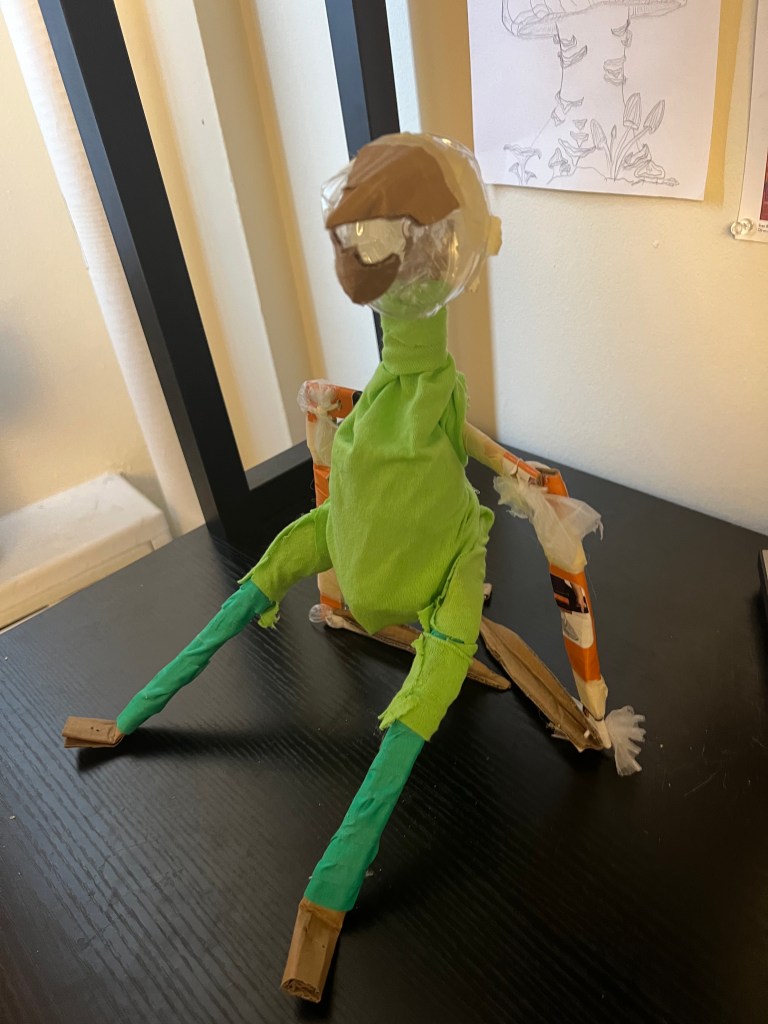
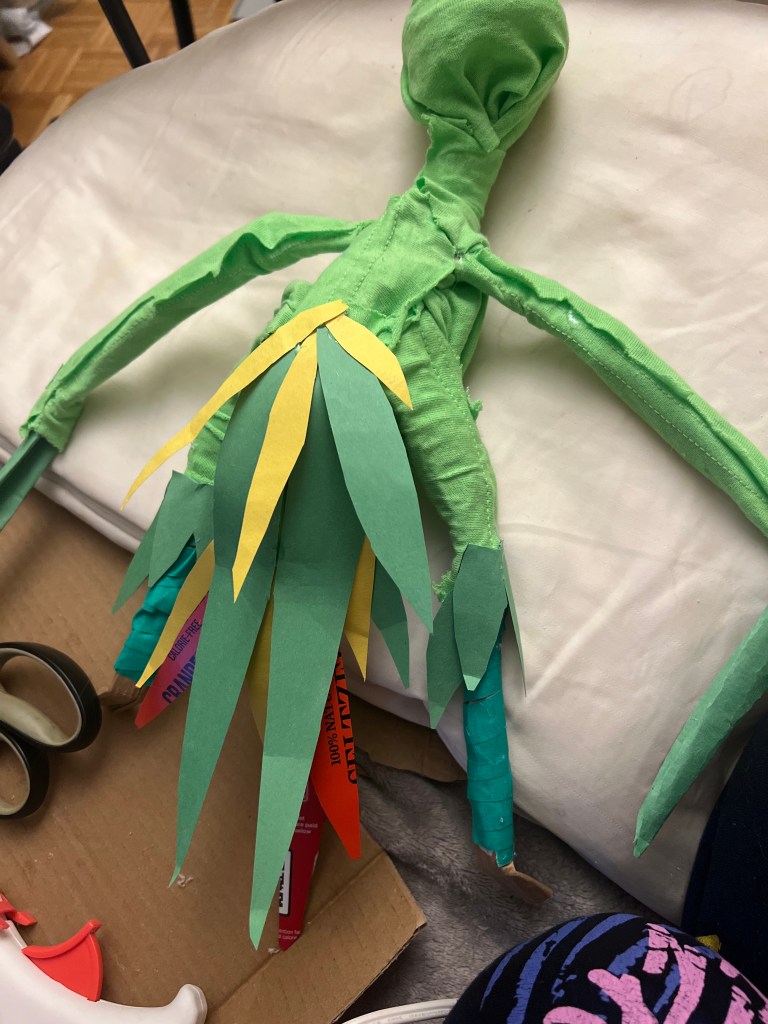
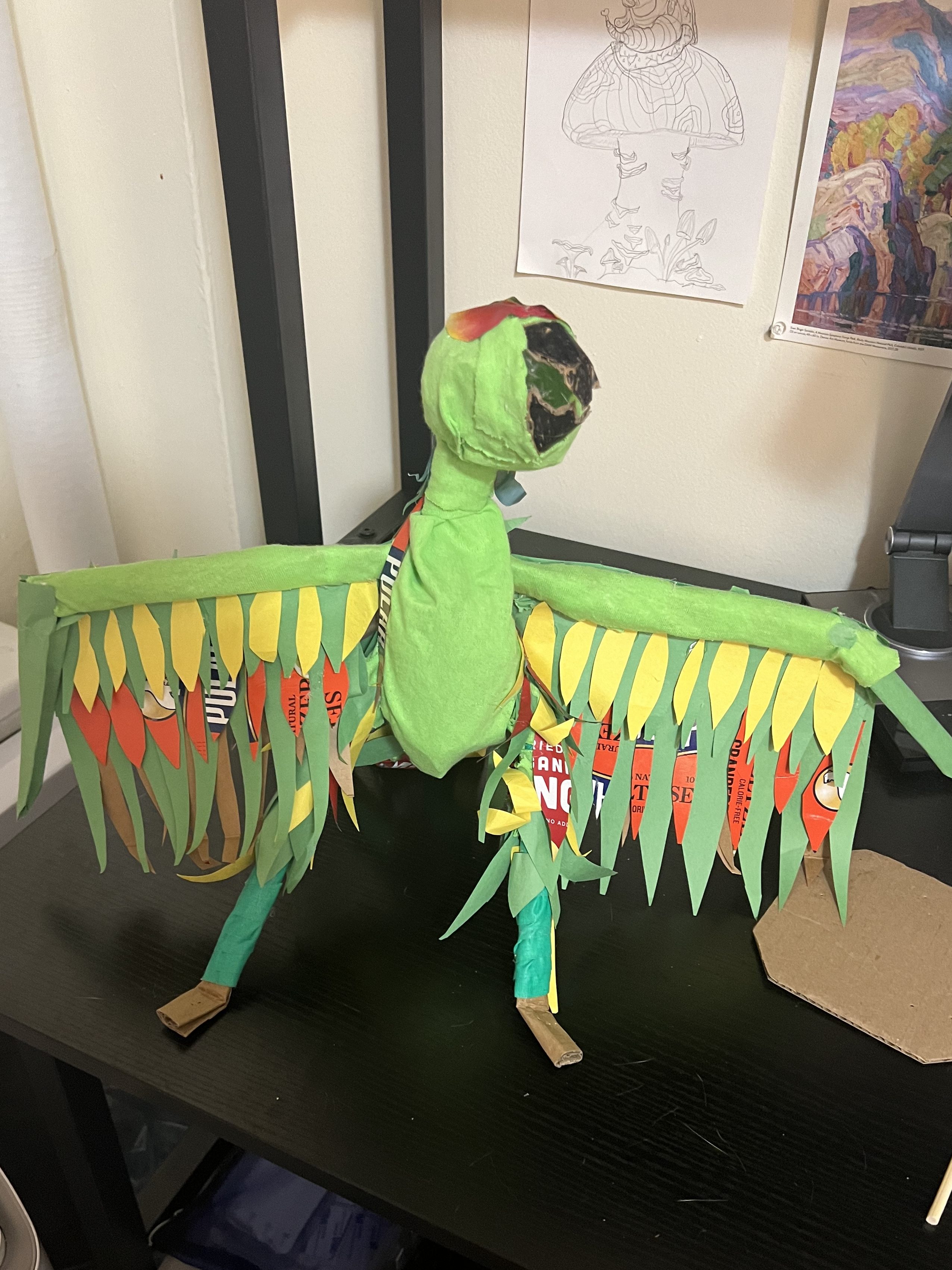
Finally, I glued a red spot on its head, not unlike the reference images I saw during my research, and added the eyes I made with construction and printer paper.
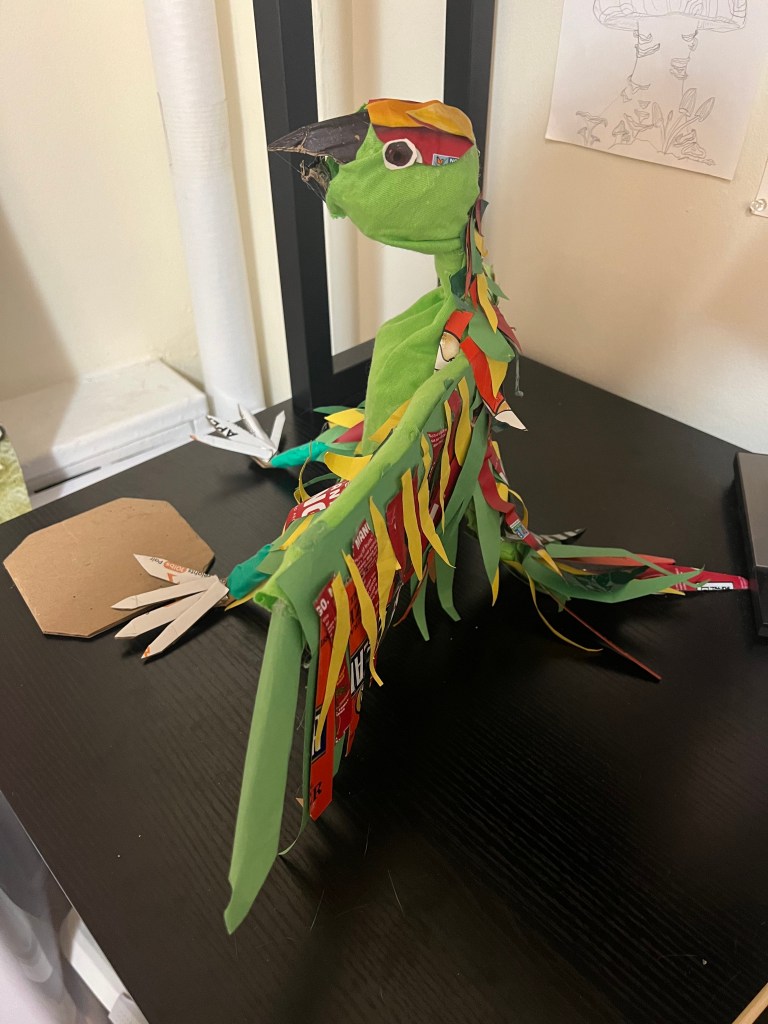
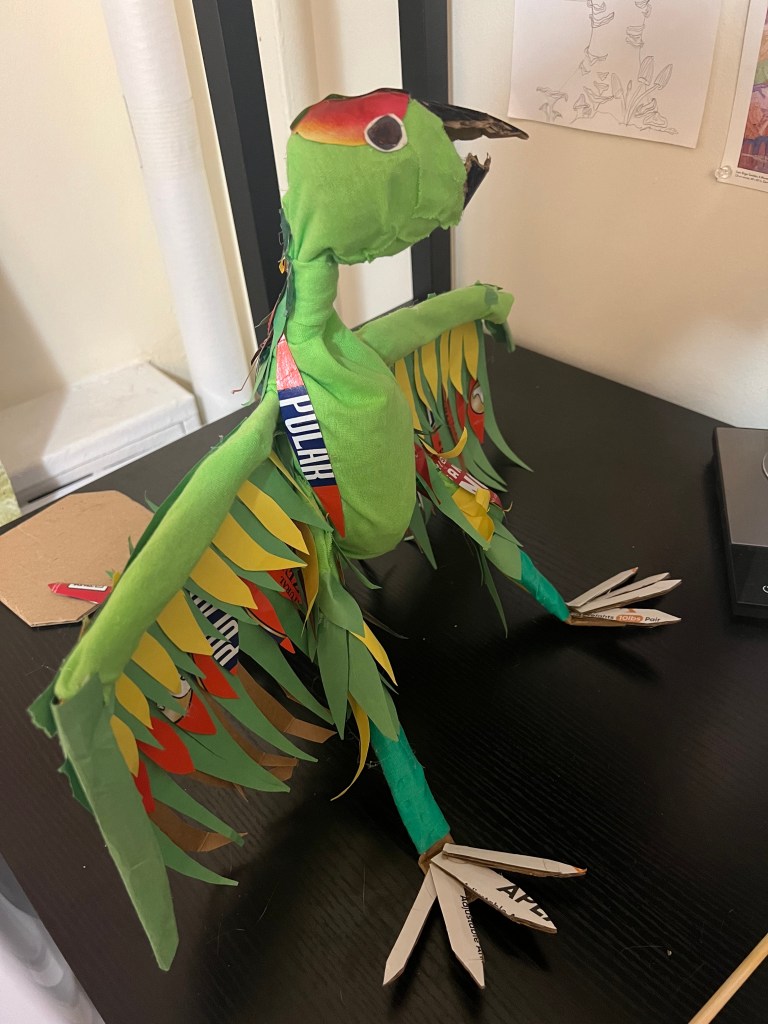
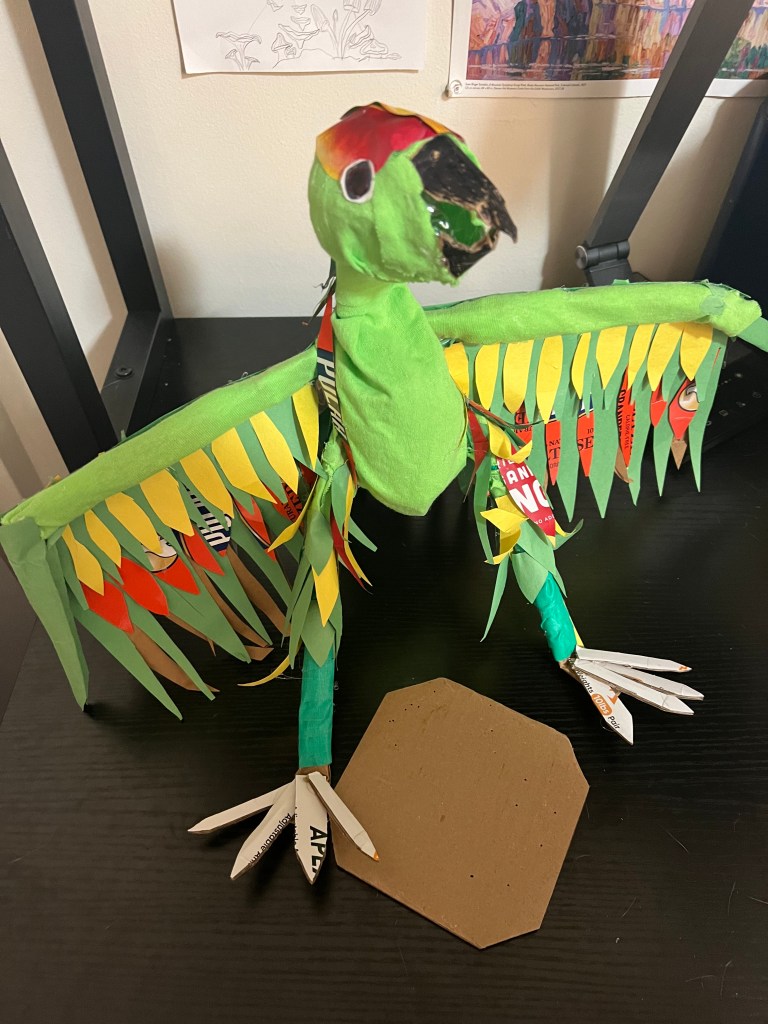
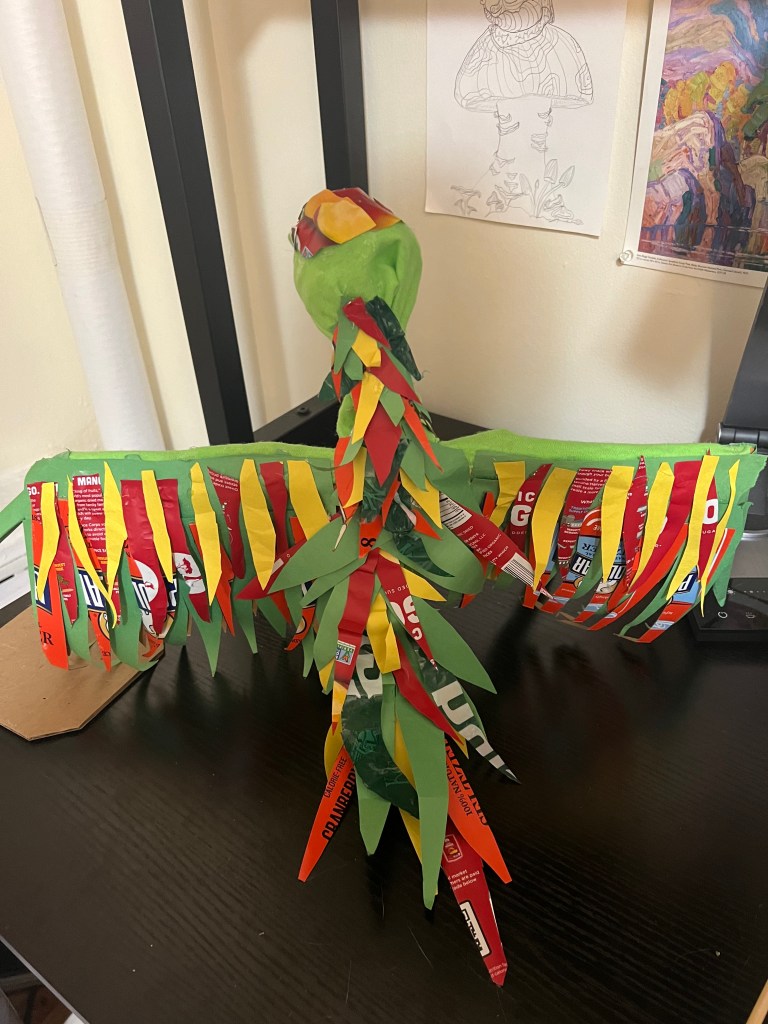
After completing this exercise, I better understand the process it takes to design and prototype something, as well as the significance surrounding the subject of the design or the design itself. I reflected on how much recycling I saved that I didn’t use, how most recycling is not upcycled and contributes to the pollution of our environment and has been driven by the consumption and exploitation of its natural resources.
Footnotes:
- “Lilacine Amazon.” American Bird Conservancy, 27 Apr. 2022, abcbirds.org/bird/lilacine-amazon/#:~:text=This%20parrot%20is%20only%20found,parrot%2C%20the%20Great%20Green%20Macaw. ↩︎
- “Lilacine Amazon Parrot.” Newquay Zoo, 6 Aug. 2024, http://www.newquayzoo.org.uk/animals-az/parrot-lilacine-amazon/. ↩︎
- “Lilacine Amazon.” American Bird Conservancy, 27 Apr. 2022, abcbirds.org/bird/lilacine-amazon/#:~:text=This%20parrot%20is%20only%20found,parrot%2C%20the%20Great%20Green%20Macaw ↩︎
- Biddle, Rebecca, et al. “Conservation Status of the Recently Described Ecuadorian Amazon Parrot Amazona Lilacina: Bird Conservation International.” Cambridge Core, Cambridge University Press, 1 June 2020, http://www.cambridge.org/core/journals/bird-conservation-international/article/conservation-status-of-the-recently-described-ecuadorian-amazon-parrot-amazona-lilacina/0F375BC4D52F2EC20947D0520F2D03EA.
↩︎
Bibliography
- Biddle, Rebecca, et al. “Conservation Status of the Recently Described Ecuadorian Amazon Parrot Amazona Lilacina: Bird Conservation International.” Cambridge Core, Cambridge University Press, 1 June 2020, http://www.cambridge.org/core/journals/bird-conservation-international/article/conservation-status-of-the-recently-described-ecuadorian-amazon-parrot-amazona-lilacina/0F375BC4D52F2EC20947D0520F2D03EA.
- “Ensure Long-Term Survival of the Lilacine Amazon Parrot.” Rainforest Trust, 19 Sept. 2023, http://www.rainforesttrust.org/urgent-projects/ensure-long-term-survival-of-the-lilacine-amazon-parrot/.
- Feistyfeathers. “Avian Anatomy.” Feisty Feathers, 5 May 2016, feistyfeathers.com/2016/05/05/avian-anatomy/.
- “Lilacine Amazon Parrot.” Newquay Zoo, 6 Aug. 2024, http://www.newquayzoo.org.uk/animals-az/parrot-lilacine-amazon/.
- “Lilacine Amazon.” American Bird Conservancy, 27 Apr. 2022, abcbirds.org/bird/lilacine-amazon/#:~:text=This%20parrot%20is%20only%20found,parrot%2C%20the%20Great%20Green%20Macaw.
 Ideation and Prototyping: A Reflection on Creation and Design